 en
en Slovenščina
 Italiano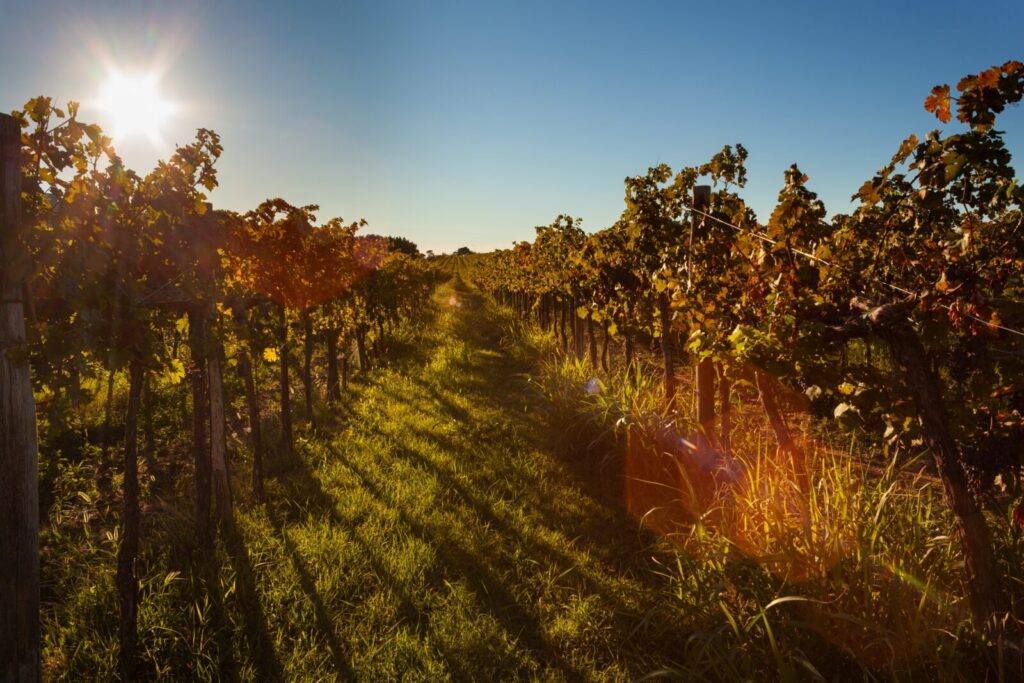
Slovenian Istria has virtually everything a Mediterranean region needs to develop wine tourism: distinctive grape varieties, a strong winemaking tradition, rich gastronomy, proximity to the sea, picturesque villages in the hinterland, and a wealth of historical and cultural heritage. Yet potential alone does not create a destination. A destination takes shape only when individual providers bring their stories together and move beyond their individual interests. Collaboration is precisely what can add new value to a fragmented offering and benefit the entire region.
As part of the project Wine Consortium and Destination of Slovenian Istria – Establishing a Wine Consortium and Enhancing the Visibility of Slovenian Istria as a Wine Tourism Destination through Collaboration and Digitalisation, winemakers have established the MAREISTRA wine cooperative. The initiative was launched by the project partners: the Koper Institute for Youth, Culture and Tourism, Vinakoper, and the Science and Research Centre Koper (ZRS Koper). This marks an important step towards creating a more integrated wine and culinary destination, gradually bringing numerous individual stories together into a stronger and more recognisable joint offering.
The cooperative’s founding agreement was signed by Istrian winemakers seeking to strengthen Slovenian Istria’s visibility both at home and abroad through a coordinated approach. The founding members are Vina Zaro, Vina Bordon, Montemoro, Korenika & Moškon, Robi in Dorjano Korenika, Vina Mahnič, Vinska klet Rojac, Vina Ražman, Klenart, Vina Kralj, Kmetija Krmac, Kmetija Butul, Steras, Vina Jogan, Vina Plahuta, Kmetija Pribac, and Vinakoper.
From Fragmentation to a Shared Brand
The diversity of the founding members demonstrates that this is more than a symbolic partnership. It brings together a wide range of stakeholders, from small family farms and boutique wine producers to established private wineries and Vinakoper, the region’s largest wine producer.
“The MAREISTRA cooperative has been designed as an open platform and represents an important step towards connecting and fostering cooperation among people, organisations and institutions that believe in the potential of the Mediterranean region and share a common goal: to develop Slovenian Istria in an integrated, responsible and sustainable way over the long term,” emphasised Matej Zaro, Chairman of the cooperative’s Management Board.
He added that the cooperative aims to bring together knowledge, professional expertise, businesses and the public sector, using this collaboration as a foundation for concrete projects that will contribute to the development and recognition of Slovenian Istria both nationally and internationally.
Slovenian Istria currently faces several challenges, including a fragmented tourism offering, the absence of a clearly defined shared identity, and insufficient digital visibility. The project therefore envisages the development of a common brand that will present the region more clearly and competitively.
A shared brand does not mean erasing the unique characteristics of individual wineries. Rather, it provides a framework within which their individual stories complement one another. It can make it easier for visitors to explore the region’s offering while enabling providers to establish a stronger presence in domestic and international markets.
As a destination, Slovenian Istria can appeal to a broader range of visitors, including enthusiasts of wine, gastronomy and cultural heritage, as well as those seeking active holidays and authentic local experiences.
The project’s main objectives include establishing and launching the Slovenian Istria wine consortium and destination, connecting local winemakers, and developing joint promotional and marketing activities.
The project also aims to strengthen the digital presence of the region’s wine tourism offering and create a wine route featuring both physical and virtual maps, winemakers’ stories, and complementary tourism experiences. The integrated tourism product will be presented at a minimum of five regional events and at least one national or international event.
The project covers the hinterland of all four municipalities of Slovenian Istria: Ankaran, Izola, Koper and Piran. Its focus is therefore not on the already heavily visited coastal areas, but on the countryside, which is closely connected to Istria’s wine and culinary identity.
The hinterland, in particular, has the potential to become one of the main drivers of sustainable wine tourism, attracting visitors beyond the peak tourist season.
Scientific Foundations for Destination Development
ZRS Koper provides the research and scientific expertise needed to support the destination’s further development.
At the Institute for Viticulture and Oenology of ZRS Koper, researchers are analysing the current state of wine tourism and the existing wine offering, examining best practices, identifying winemakers, and conducting surveys among wine producers.
Their findings will provide the foundation for developing the wine route, preparing virtual and promotional maps, and presenting and promoting the wine tourism destination.
Professor Rado Pišot, PhD, Director of ZRS Koper, emphasises that nature, culture and knowledge have complemented one another in the Mediterranean region for thousands of years. Through data, research and innovation, science can help transform this heritage into opportunities for sustainable development.
“Through our research expertise, we aim to contribute to the thoughtful and sustainable development of Slovenian Istria’s unique wine and culinary identity, strengthening its international recognition. ZRS Koper will therefore continue to actively support the MAREISTRA cooperative in developing a world-class wine and culinary destination,” emphasised Professor Pišot.
The establishment of the cooperative is also significant because it seeks to strike a balance between the individual characteristics of winemakers and the benefits of collective action.
Larger and smaller producers will need to reconcile their different capacities and interests while establishing shared standards, coordinated communication and collective responsibility.
The key challenge will be maintaining cooperation after the project has concluded. If this collaboration continues, it could help attract more visitors outside the summer season, make joint promotional activities more effective, increase visibility in international markets, and strengthen the region’s competitiveness in viticulture, tourism and local products.
Slovenian Istria is thus moving closer to the model adopted by successful wine regions in Slovenia, Croatian Istria and the wider Mediterranean, where the integration of wine, gastronomy and tourism has long been an important element of regional development strategies.
PHOTO: Bepsy/Shutterstock
This article was produced as part of the project Wine Consortium and the Destination of Slovenian Istria, implemented under the Local Development Strategy of the Zelena Istra Local Action Group (LAG) 2021–2027. The project is co-financed by the European Union and the Republic of Slovenia through the European Agricultural Fund for Rural Development (EAFRD).
- Source: Delo
- Author: Nataša Čepar, ZRS Koper
- Publication date: 22 September 2026
- Publisher: Delo mediji d.o.o.