 en
en Slovenščina
 Italiano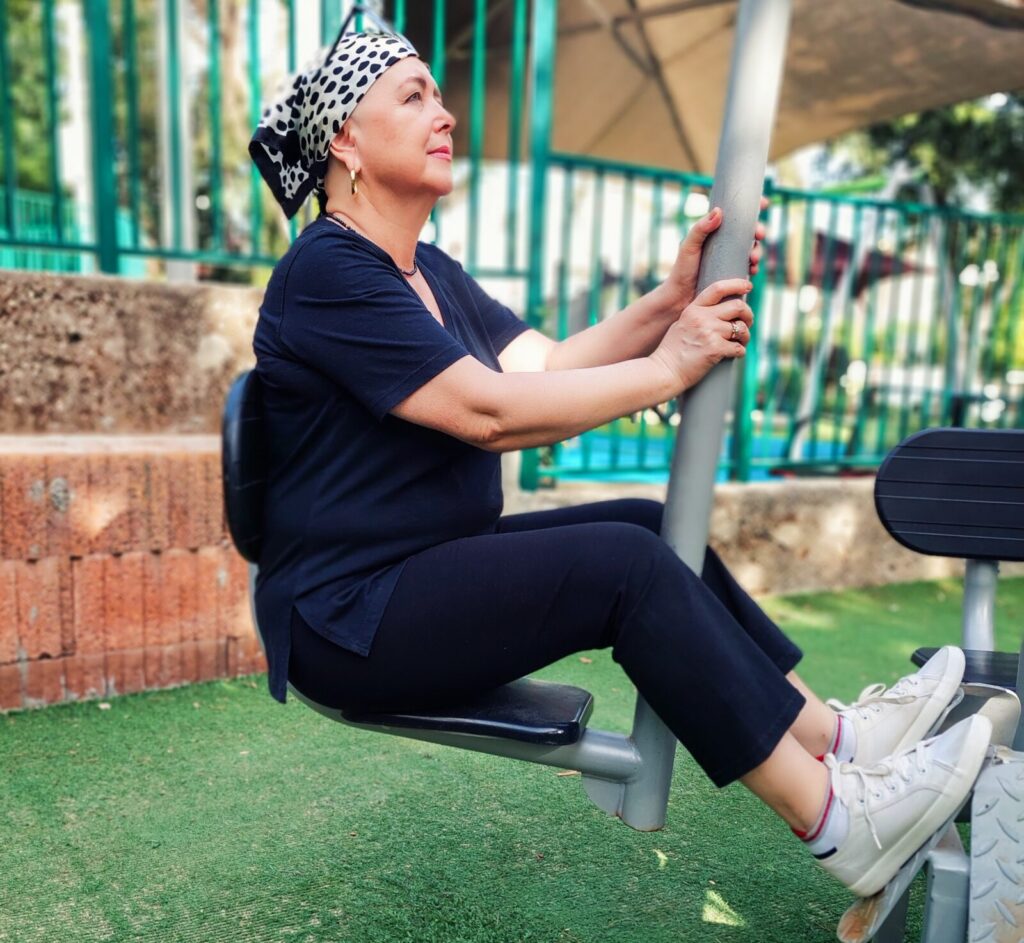
When we talk about cancer treatment, we usually think first of surgery, chemotherapy, radiotherapy, targeted therapies and immunotherapy. However, a growing body of research suggests that professionally designed exercise programmes, combined with appropriate clinical nutrition, should also play a more prominent role. Rather than simply advising patients to “move more”, exercise should be integrated into supportive care as an individually tailored intervention that takes into account the diagnosis, stage of disease, type of treatment, physical capacity and potential side effects.
Over the past decade, advances in immunotherapy have significantly improved treatment options for certain types of cancer. Malignant melanoma was the first solid tumour for which immune checkpoint inhibitors became established as a first-line treatment. Survival has improved considerably, but responses to treatment still vary among patients. Some experience inflammatory complications, chronic fatigue, loss of muscle mass, reduced physical capacity and nutritional problems. These factors can diminish quality of life and make it more difficult to continue treatment.
Recent research increasingly highlights the importance of skeletal muscle in the course of cancer treatment and its outcomes. Muscles are not only essential for movement; they are also metabolically active tissue associated with immune responses, inflammation and treatment tolerance. Low muscle mass or progressive muscle loss (sarcopenia), as well as fat accumulation within muscles, have been associated with a poorer prognosis and less favourable immunotherapy outcomes in various types of cancer.
What Will Be Monitored in the New Study
A new research project involving Prof. Nada Rotovnik Kozjek and her team at the Institute of Oncology Ljubljana, in collaboration with the Institute for Kinesiology Research at the Science and Research Centre Koper (ZRS Koper), will investigate patients with malignant melanoma who are starting adjuvant immunotherapy.
The researchers will compare standard care with a six-month programme combining muscle-strengthening exercises and nutritional support. Magnetic resonance imaging (MRI) and other measurements will be used to monitor body composition, muscle performance, metabolism, nutritional status and inflammatory markers. The researchers will also assess how the programme affects fatigue, psychological well-being, quality of life and tolerance to immunotherapy.
This approach falls within the field of precision exercise oncology. Its underlying principle is straightforward: a single exercise programme is not suitable for everyone. A patient experiencing severe fatigue and muscle loss requires a different exercise workload from a physically active person who has undergone cancer treatment.
Exercise must therefore be prescribed according to its type, intensity, frequency and duration, with adjustments based on each individual’s response. Safe implementation requires appropriately trained kinesiologists, physiotherapists, physicians and clinical nutrition specialists.
The German Model and Challenges in Slovenia
The German experience demonstrates that professionally supervised exercise can be successfully integrated into routine healthcare.
In 2012, the University Hospital of Cologne established a model of oncological exercise therapy (Onkologische Trainings- und Bewegungstherapie, OTT), providing patients undergoing active cancer treatment with evidence-based, professionally supervised exercise programmes.
The system includes quality standards, professional training programmes and agreements with health insurance providers that enable reimbursement of costs. Today, the model is implemented in more than 300 hospitals and private practices across Germany, as well as in Austria and Switzerland.
Furthermore, statutory health insurance covers a substantial proportion of the costs of exercise-based rehabilitation, making it accessible and helping to establish it as a standard component of healthcare and cancer treatment.
Research conducted in Slovenia has also demonstrated the benefits of comprehensive rehabilitation. Breast cancer patients who participated in rehabilitation programmes incorporating physical exercise following diagnosis and treatment experienced significantly fewer treatment-related side effects and returned to work considerably sooner than those in the control group.
Slovenia provides high-quality, accessible cancer treatment and has well-developed clinical nutrition services. However, professionally supervised exercise has not yet been systematically integrated into hospital care for all patients who could benefit from it.
The barriers are not merely related to infrastructure and funding. Existing university programmes in kinesiology, physiotherapy and related disciplines often do not provide sufficient knowledge of the specific characteristics of cancer diagnoses, treatment-related side effects or the adaptation of exercise programmes for patients with multiple coexisting health problems.
Specialised training, clearly defined professional standards, digital monitoring of outcomes and interdisciplinary collaboration between hospital departments are therefore essential.
Dedicated exercise facilities within hospitals would also reduce practical barriers, as patients would no longer need to seek external providers or travel to additional locations.
Supportive Care Should Be Accessible to Everyone
The question is no longer whether physical activity benefits cancer patients. The key challenge is how to transform a general recommendation into a safe, measurable and accessible healthcare service.
Combining exercise with clinical nutrition can help preserve muscle mass, reduce fatigue, improve physical capacity and enable patients to tolerate treatment more effectively. For certain cancer diagnoses, evidence is also emerging of an association with improved long-term outcomes. However, further high-quality research is needed for individual cancer types.
As the leader of a project in the field of precision exercise oncology, I am involved in a bilateral project between ZRS Koper and the University Hospital of Cologne. This collaboration also represents an opportunity to translate scientific findings into clinical practice in Slovenia.
If hospitals, educational institutions, the government and the national health insurance provider recognise the clinical and economic benefits of early supportive care, professionally supervised exercise combined with clinical nutrition could become a standard component of cancer care rather than a privilege available to only a limited number of patients.
At a time when the number of people living with cancer and cancer survivors continues to rise, the quality of cancer treatment should no longer be measured solely in years of survival, but also by how well, independently and actively patients are able to live.
PHOTO: verbaska/Shutterstock

This article was prepared within the framework of the project Učinki randomiziranih kontroliranih vadbenih in prehranskih intervencij na mišično maso, volumen, maščobno infiltracijo in klinične rezultate pri bolnikih z malignim melanomom (J7-70257), led by Dr Damir Zubac at the Science and Research Centre Koper (ZRS Koper). The project is funded by the Slovenian Research and Innovation Agency (ARIS).
Source: Delo
Author: Dr Damir Zubac, Institute for Kinesiology Research, ZRS Koper
Original publication date: 22 September 2026
Publisher: Delo mediji d.o.o.