en
en Slovenščina
 Italiano
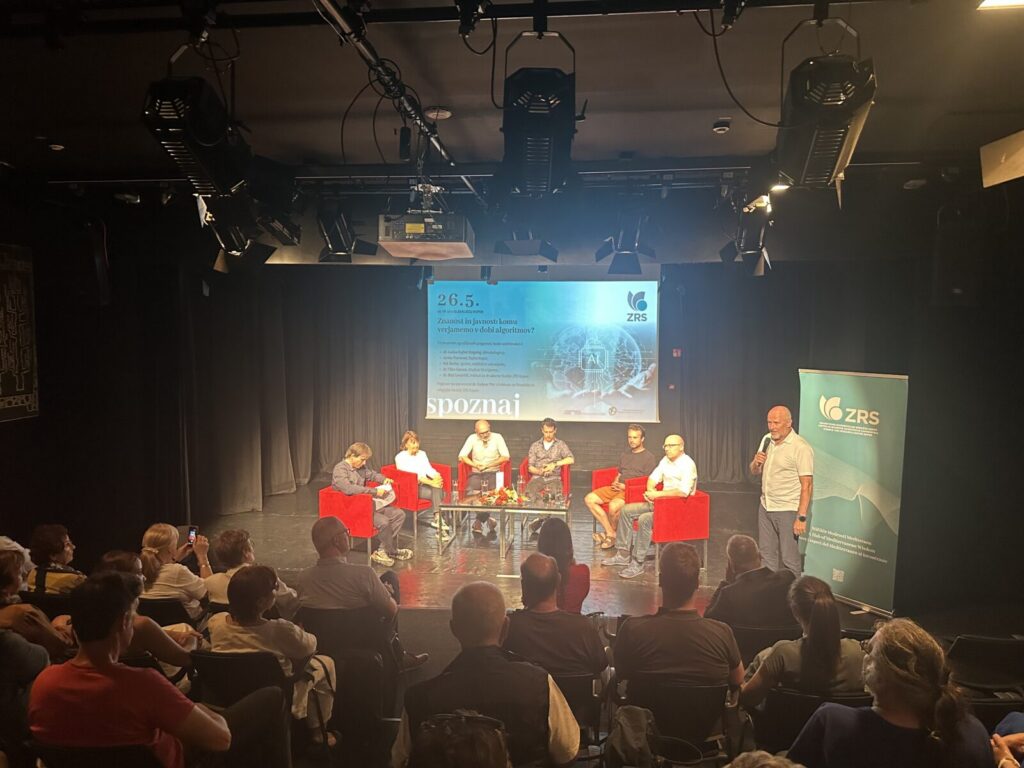
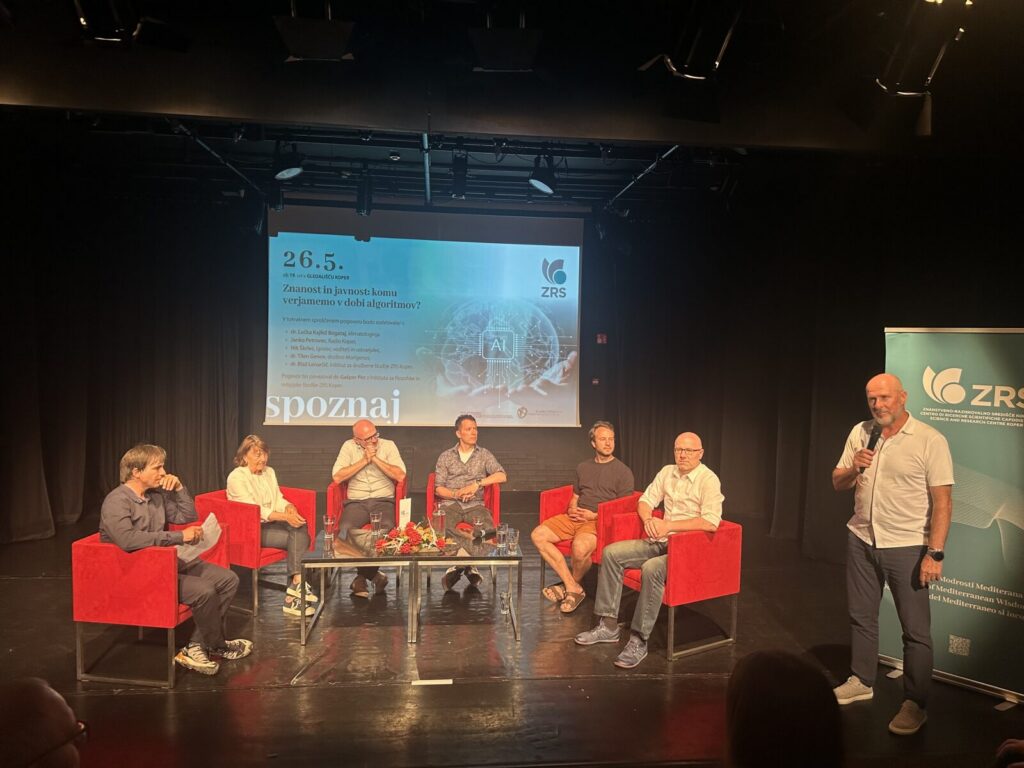
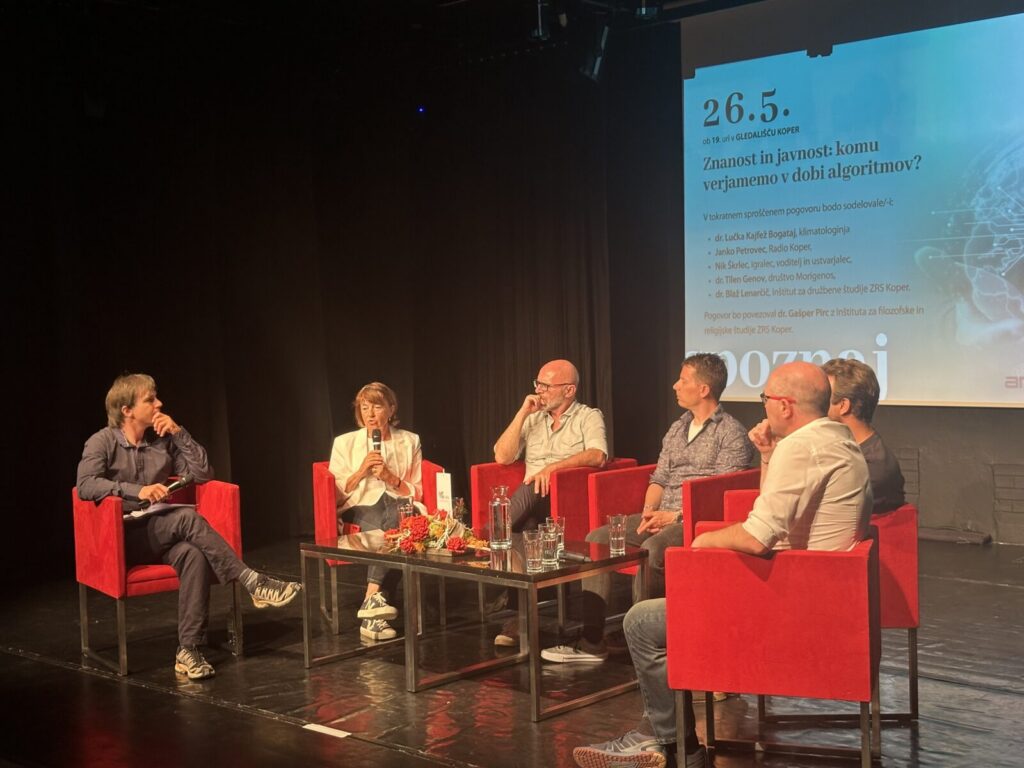
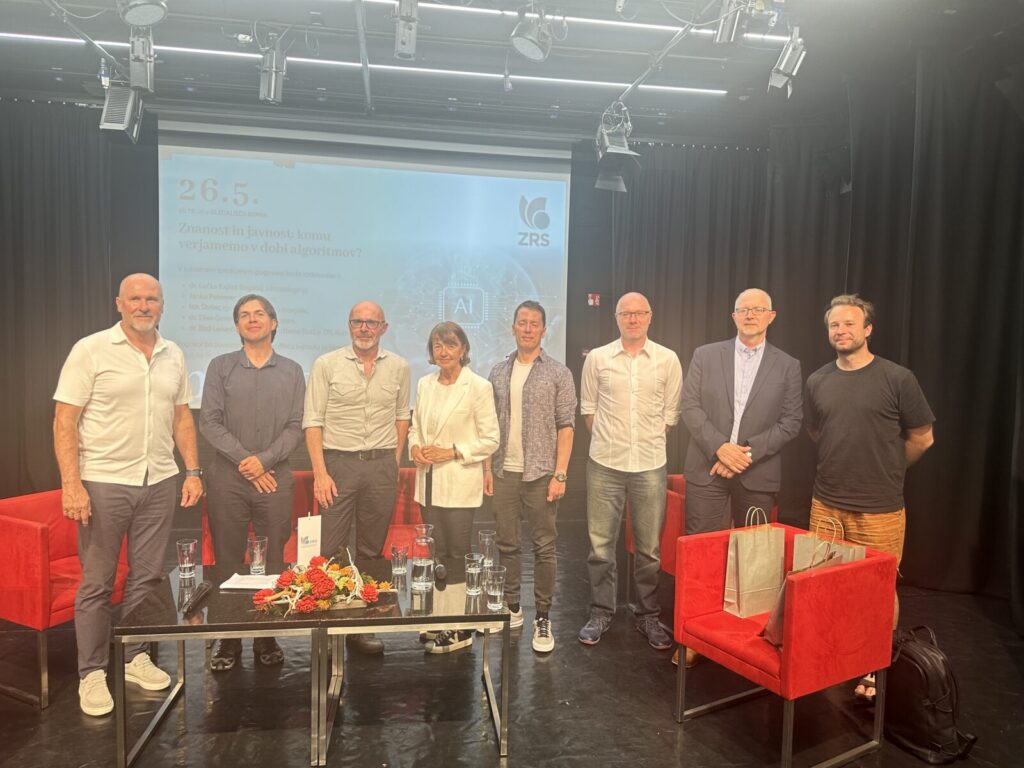
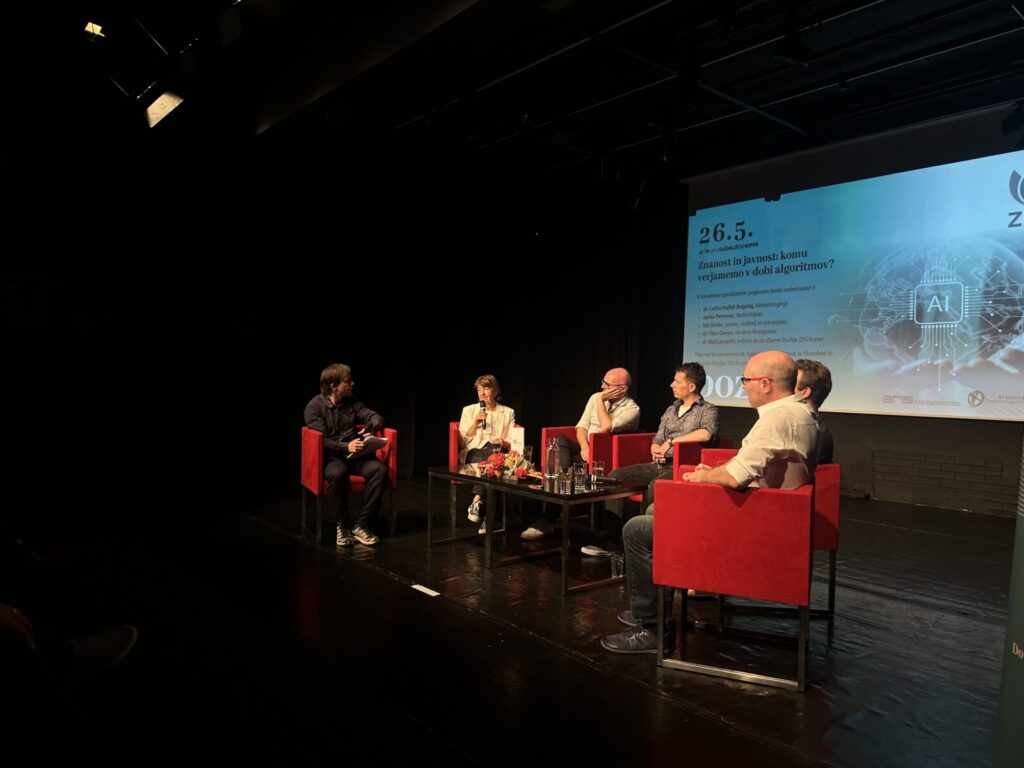
The Science and Research Centre (ZRS) Koper, in cooperation with the Koper Theatre, organised the third spring event of the SPOZNAJ series – Relaxed Conversations About Science – on Tuesday, 26 May 2026. The event also marked the final discussion of this season.
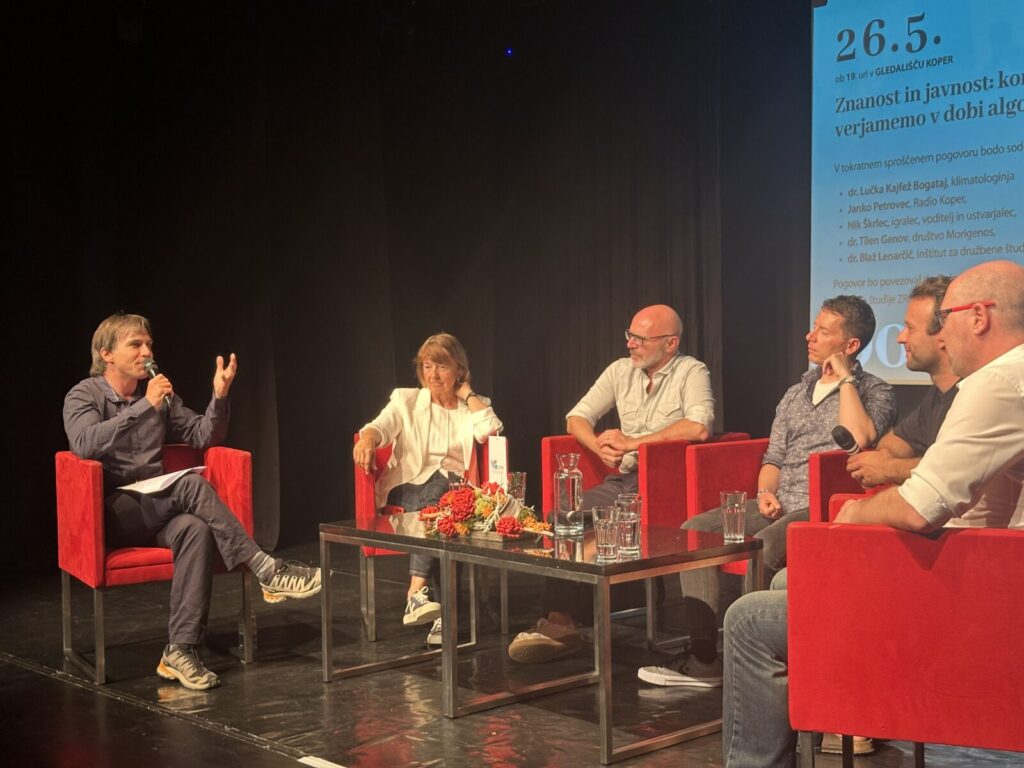
The discussion, entitled Science and the Public: Whom Do We Trust in the Age of Algorithms?, was moderated by Dr Gašper Pirc, a researcher at the Institute for Philosophical and Religious Studies of ZRS Koper. He pointed out that the topic is becoming increasingly relevant and must remain so: how can science be communicated to a public that, despite the availability of all kinds of information, is becoming ever more sceptical towards science? How are the media responding, having lost their exclusivity over reporting in the digital age? And what consequences might this have for society?
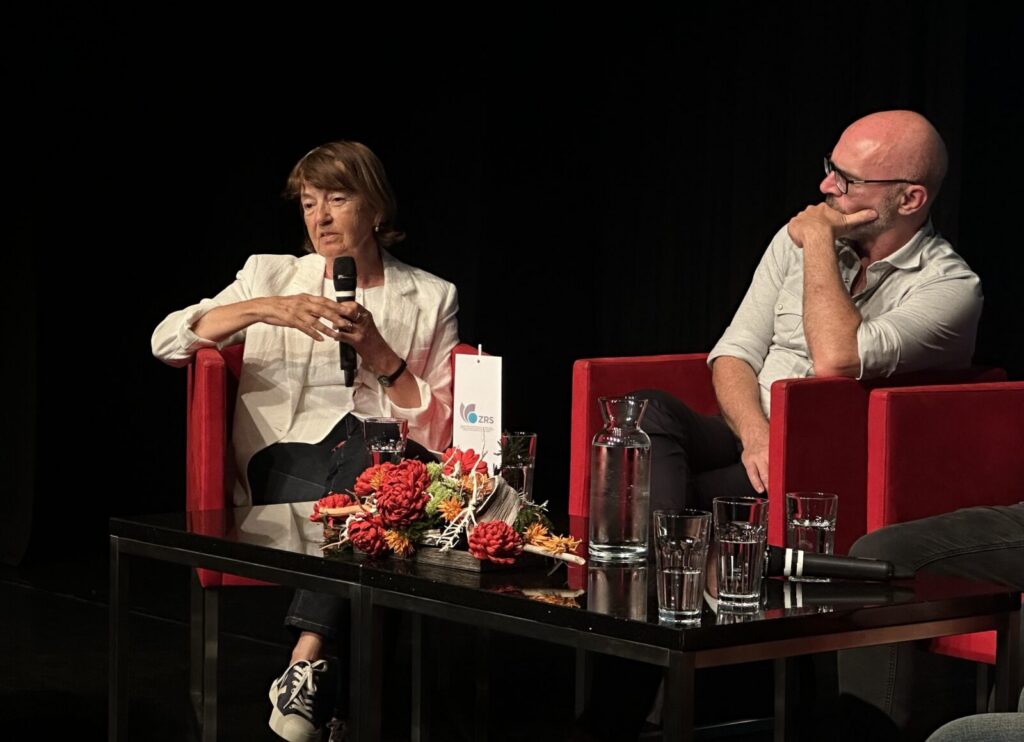
Dr Lučka Kajfež Bogataj, climatologist and member of the Intergovernmental Panel on Climate Change (IPCC) in Geneva, as well as co-recipient of the Nobel Peace Prize, recalled that twenty years have passed since Al Gore’s landmark documentary An Inconvenient Truth, which encouraged the broader global public to think more seriously about climate change and raised awareness of the role of human activity in it. However, when the question of how to take action arose, it became clear that the existing economic system could not accommodate the solutions demanded by science. Attention soon shifted to the economic crisis and later to migration issues, which, with the support of the political right, triggered a wave of populism. “Today, reality has caught up with us — heatwaves are here, yet in the age of algorithms even physical measurements are apparently no longer enough. Outright lies can prevail over them,” she said.
Janko Petrovec, editor-in-chief of Radio Koper, warned that both listeners and readers are experiencing increasingly shorter attention spans. “As an editor, it is very important for me, in the spirit of these times, to maintain the popularity and listenership of the programme I lead. I still believe that it is possible to present diverse and demanding content to people in an appropriate way, but one must think very carefully about how to do it. He remains optimistic about journalism in the digital age. Just as people once wrongly predicted the end of theatre or radio, he also believes that quality journalism will survive. More than that, what concerns him about the internet is its geopolitical dimension. The wider use of the internet in the early 1990s coincided with the collapse of the Soviet Union and the American takeover of global trade routes. As he underlined, we must be aware that the world is indeed becoming increasingly interconnected, but also increasingly controlled by centres of power.
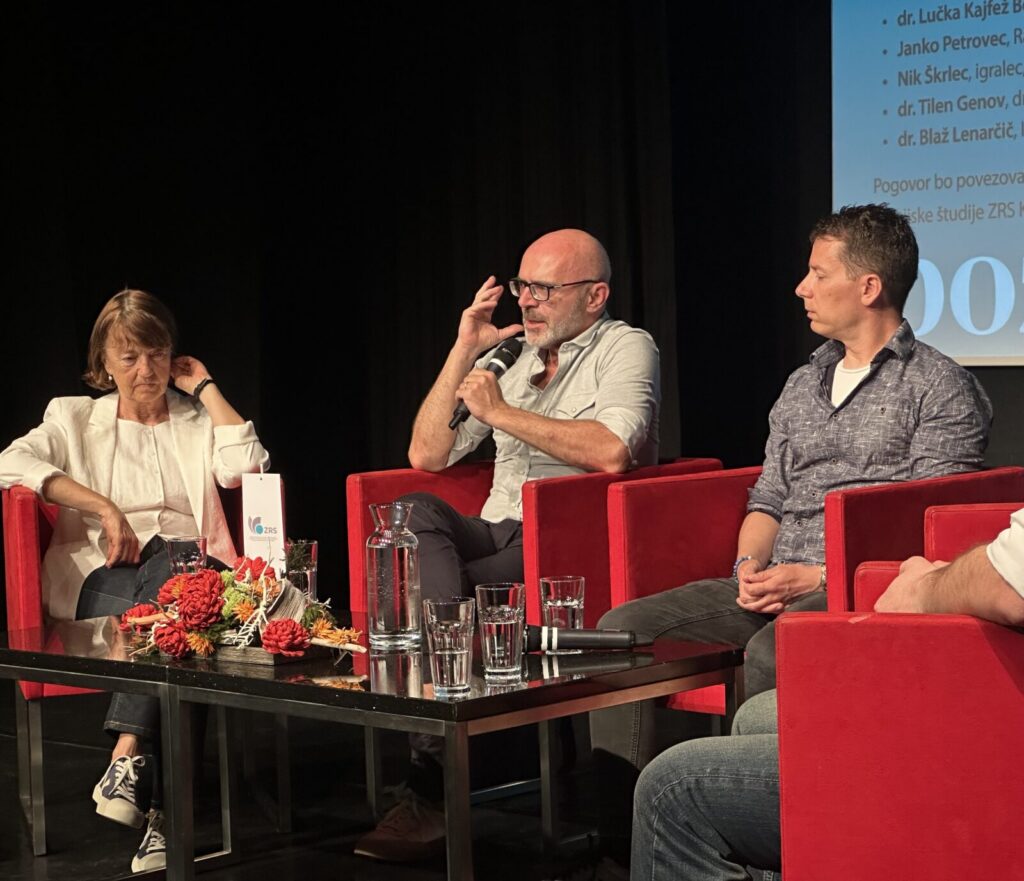
Nik Škrlec, actor, television host and creator of online content, said that he is “a child of the internet” and that he used to be a great enthusiast of everything the internet promised — yet he is saddened by what it has been turning into in recent years. As he observes, the influence of capital has become unavoidable online as well, while at the same time society is increasingly recognising the need for digital independence. In the European Union, for example, the first more serious initiatives are emerging to create its own social network and become less dependent on superpowers such as the United States and China. “I still think that the emergence of the internet and its pluralistic approach compel us to reject elitist beliefs about expertise or art, since nothing should be taken for granted,” he says. He is also convinced that communicating science must begin from a broad common denominator shared with the audience — even if this risks certain simplifications — and then gradually guide people towards more complex concepts.
Dr Blaž Lenarčič, senior research associate at the Institute for Social Studies of ZRS Koper, whose work focuses among other things on digital technologies and society, says that he has been following the internet for a very long time, but in recent years has become increasingly concerned about what is happening. He misses the early enthusiasm surrounding the internet and the idea of free information. Today, things are completely different: corporations behind platforms such as search engines, offer people content they like and reinforce them in their existing beliefs in order to keep them within their sphere of influence. As he notes, we have not learned much from our “first close encounter” with internet applications such as social networks. Although it became clear how much harm they caused, especially in terms of negative impacts on young people, nothing substantial has changed in this area. Now we are facing a close encounter of the second kind — with artificial intelligence. “Action will certainly be needed in this field. As parents, however, what we can do is raise our children to think critically about the information they receive,” he stressed.
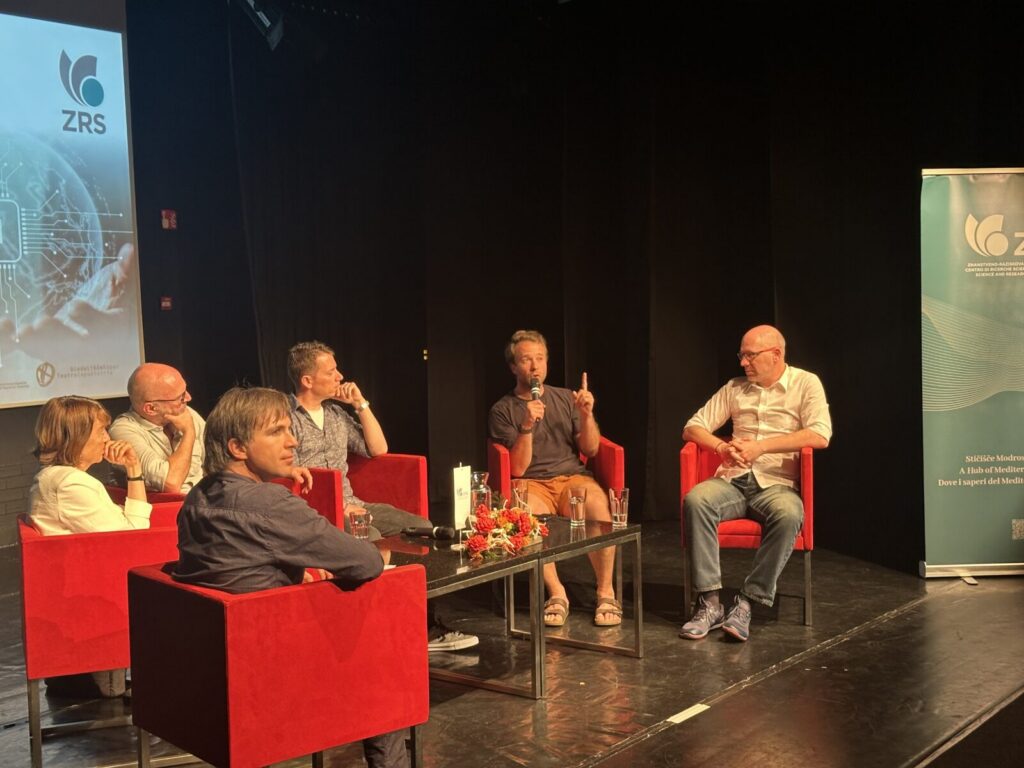
Dr Tilen Genov, president of Morigenos, works in the fields of scientific research, education, public awareness-raising and marine environmental protection. He approaches science communication by showing people his work first-hand and bringing it closer to them. In this way, he shares not only his experiences, but also his fascination with what he does. According to him, science must remain committed to objectivity and facts, which does not necessarily exclude advocating for change and improvement. He also pointed out that, in the age of artificial intelligence, scientists are increasingly confronted with the question of how much original and independent thinking still remains in their work. It also happens that artificial intelligence, while “hallucinating”, cites false scientific sources that it supposedly relies on when providing information.