en
en Slovenščina
 Italiano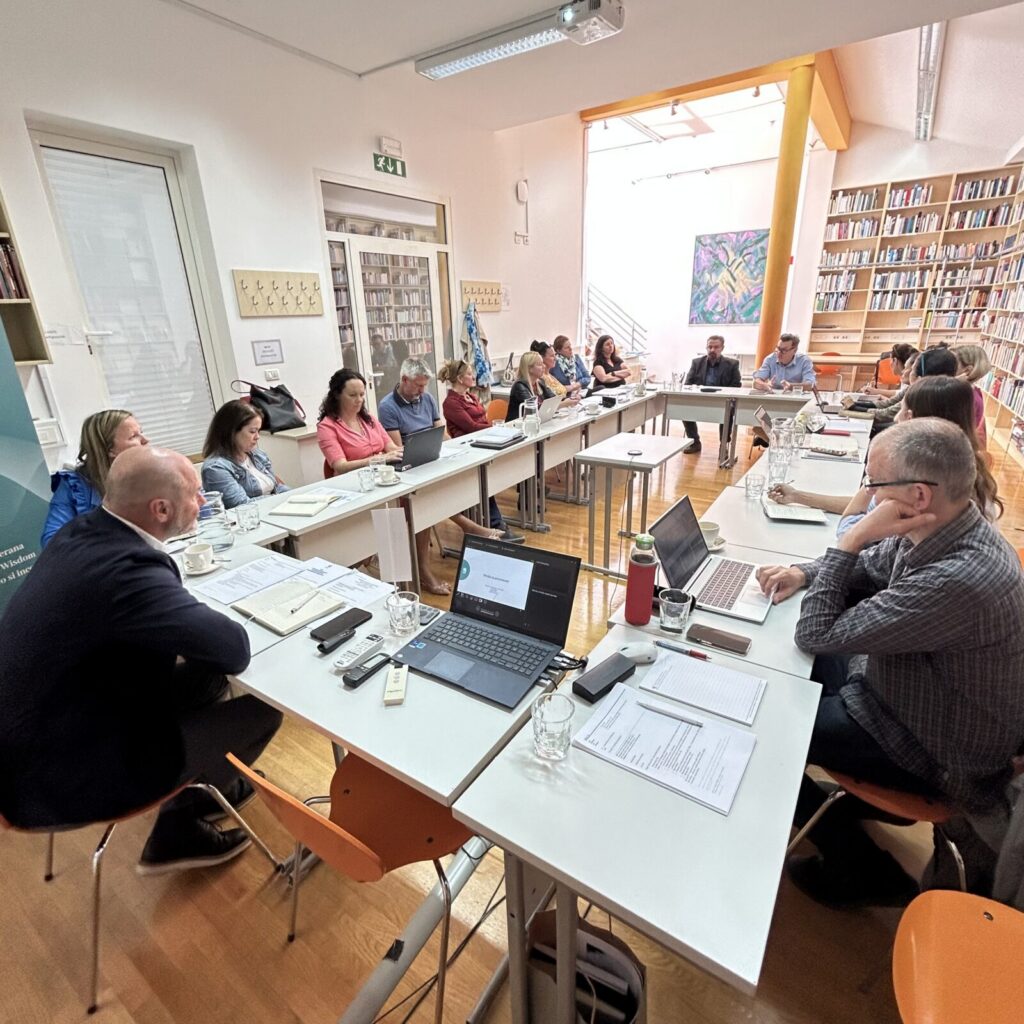
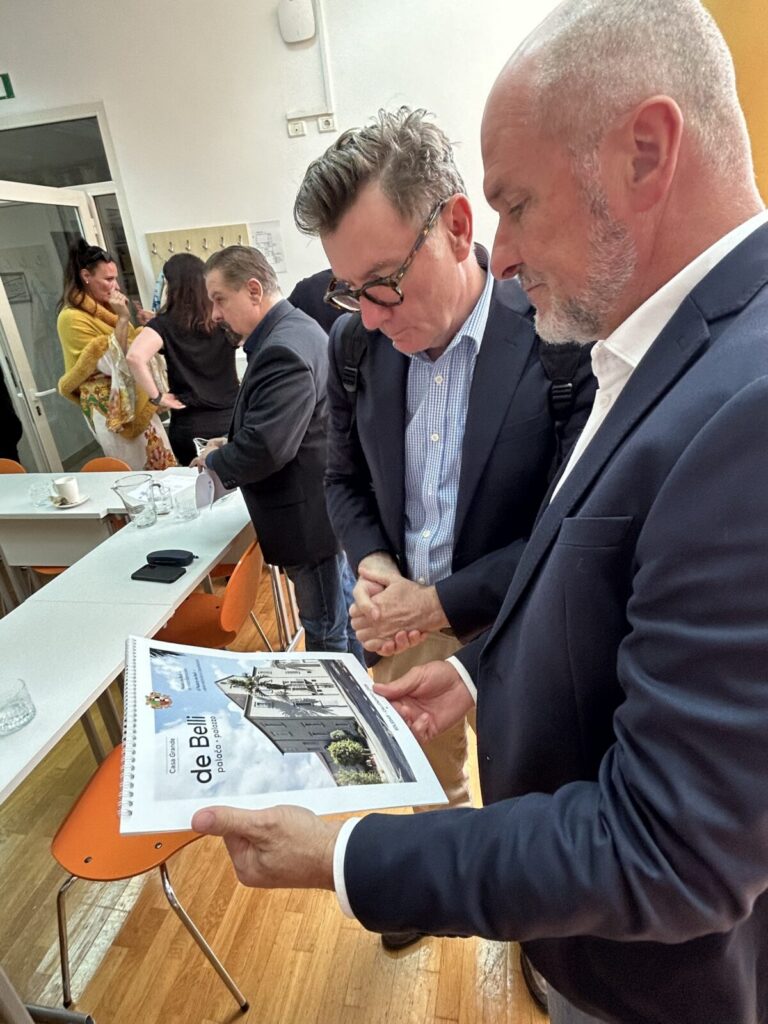
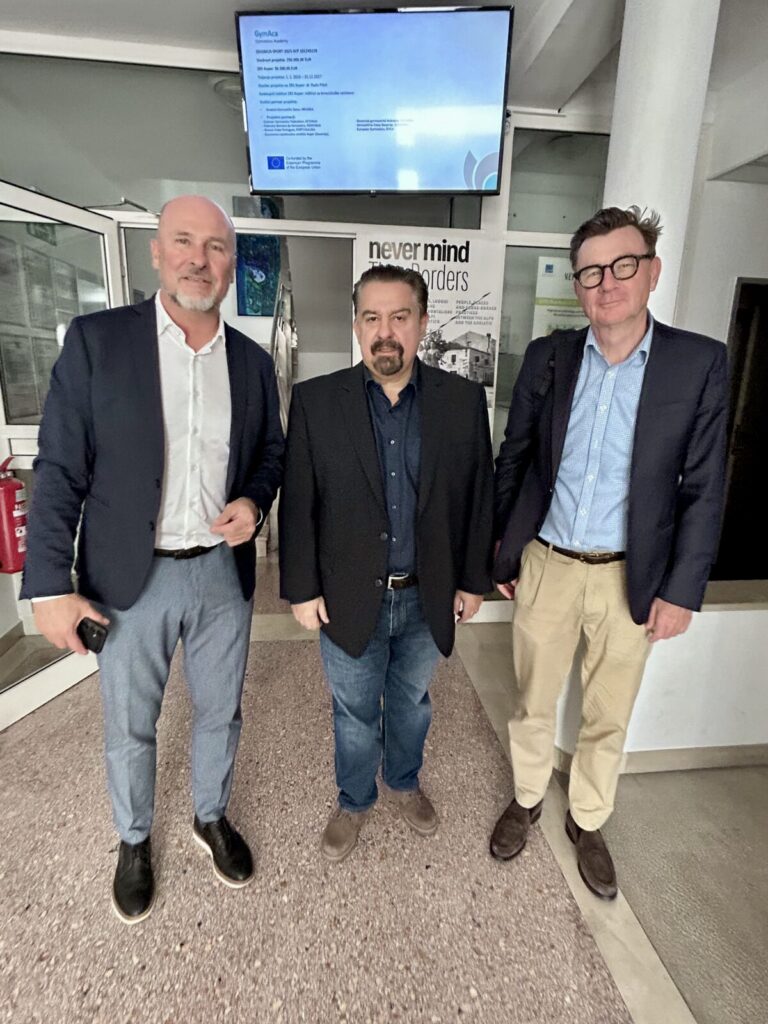
On 19 May, Professor Dr Oto Luthar, Director of the Research Centre of the Slovenian Academy of Sciences and Arts (ZRC SAZU), visited ZRS Koper. Together with the heads of institutes and the institution’s management, he discussed reforms of the research system, the development of research infrastructure, and knowledge transfer, particularly in the humanities and social sciences. The participants emphasized the need for carefully designed legislative reforms, stable funding for interdisciplinary research environments, and stronger science communication. They highlighted the Alternator portal as an example of good practice in bringing scientific knowledge closer to the general public, while noting that it remains underfunded. They also pointed out that current evaluation criteria and funding calls insufficiently recognize non-technological innovations, cultural content, and social services, despite their importance being acknowledged in strategic policy documents.
In discussing knowledge transfer through spin-off companies, participants identified obstacles within secondary legislation concerning ownership shares, intellectual property rights, and the employment status of researchers. These regulations, they argued, do not adequately address the specific characteristics of the humanities and social sciences. The meeting also addressed the role of KOsRIS in representing independent and infrastructure research institutions, as well as existing staffing and investment shortages. Particular attention was devoted to the challenges faced by interdisciplinary public research organizations and their access to infrastructure resources, alongside the need for incentives that encourage cooperation across disciplines. With regard to research infrastructure, participants stressed the lack of stable funding for maintenance and upgrades, which undermines international competitiveness.
In the context of the proposed amendments to the Scientific Research and Innovation Activity Act (ZZrID), the participants agreed that increased investment in research must be accompanied by reduced administrative burdens, more stable career opportunities, improved evaluation systems, and strengthened research infrastructure. They concluded that the success of future reforms will depend on balancing scientific excellence, knowledge transfer, competitiveness, and societal relevance. In this regard, ZRS Koper, as an interdisciplinary research environment, plays an important role in fostering cooperation and connections across different fields of knowledge.