 en
 Slovenščina
 Italiano
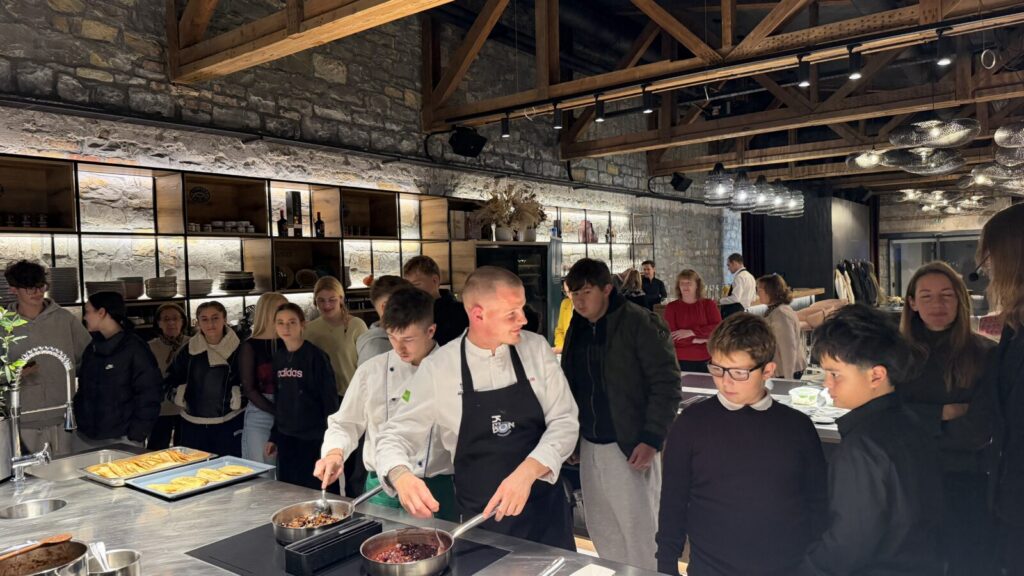
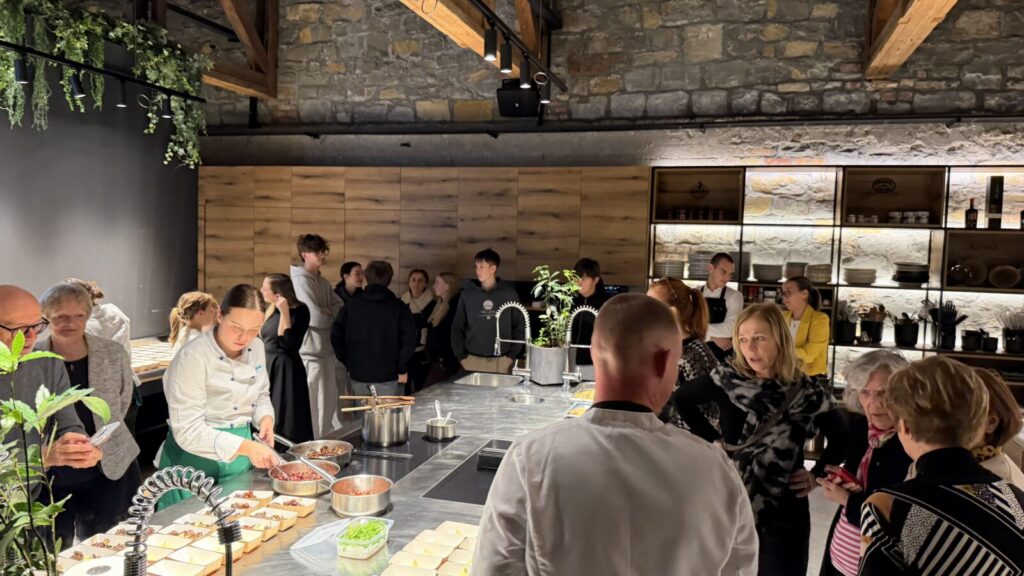
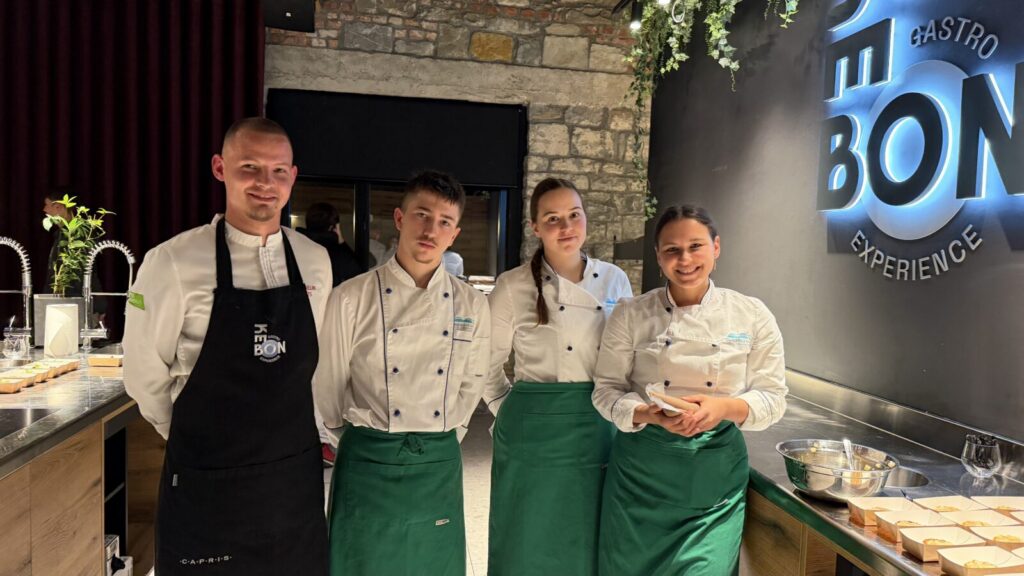
How do science, culture and gastronomy intertwine? Students of the Gastronomy and Tourism programme at Izola Secondary School explored this question through culinary creativity during the workshop Gastronomic Art Is a Cultural Achievement. Under the guidance of chef Tilen Župevec, they demonstrated the preparation of dishes and the principles of French gastronomic tradition. The event took place as part of Science Month 2026 at the KeBon gastronomic laboratory in Koper.
The event was jointly organised by Izola Secondary School, the Science and Research Centre Koper (ZRS Koper), the KeBon gastronomic laboratory and the Peter Martinc Cultural Association. It introduced participants to cooking as much more than an everyday activity – as an applied science in which chemical, physical and biological processes intertwine.
The Director of ZRS Koper, Prof. Rado Pišot, PhD, emphasised the importance of the Mediterranean lifestyle for health and longevity, highlighting that it encompasses not only nutrition but also cultural heritage, social connections and quality of life. He also stressed the importance of making scientific knowledge accessible to young people and encouraging their curiosity.
The Principal of Izola Secondary School, Adelija Perne, highlighted the declining interest among young people in gastronomy and culinary professions, despite the numerous employment opportunities they offer. She also recalled Slovenia’s rich culinary tradition and the outstanding chefs who have helped shape it.
Prof. Lucija Čok, PhD, from the Laboratory for Language and Social Innovation at ZRS Koper and coordinator of the event, presented promotional materials and specialist content, highlighting the role of culinary vocabulary in understanding French gastronomic tradition. Neva Zajc from the Peter Martinc Cultural Association also contributed to the presentation of French cultural heritage. The association’s involvement further emphasised the cultural dimension of gastronomy, which extends beyond food preparation to connect tradition, language and shared experiences.
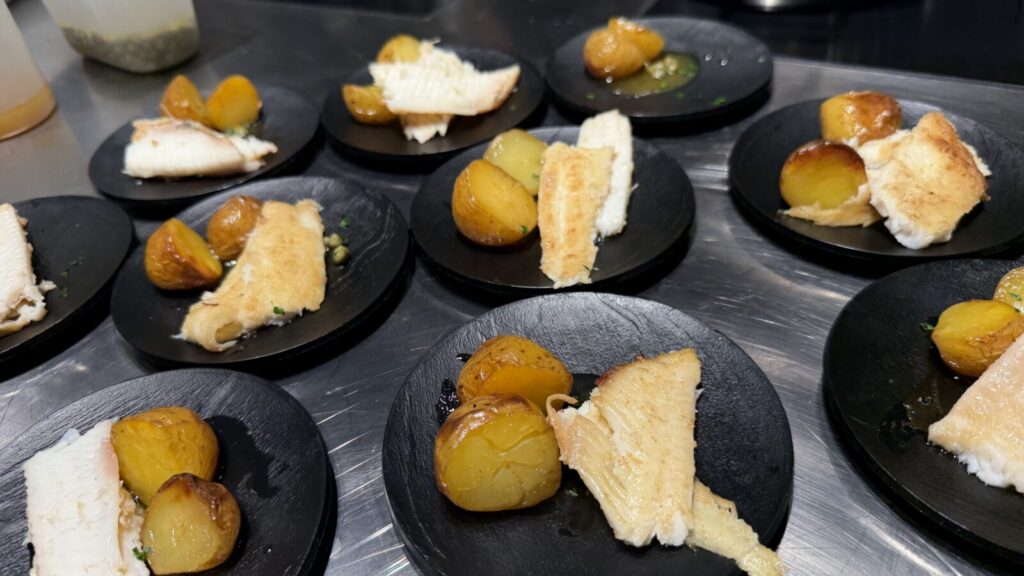
The central part of the workshop was devoted to practical demonstrations of the preparation of classic French dishes and approaches associated with nouvelle cuisine, including principles established by Auguste Escoffier (1846–1935). Together with the students, chef Tilen Župevec showcased the creative side of the culinary profession, which, despite its demanding nature, also offers artistic freedom, the joy of creating and opportunities for teamwork.
While preparing the dishes, the students explained the various procedures and demonstrated how specialist knowledge is applied in practice. In this engaging and practical way, the workshop brought together science, education and cultural heritage, showing that scientific inquiry is not confined to laboratories but is also part of our everyday lives.
Through initiatives of this kind, ZRS Koper continues its mission of bringing science closer to the general public and fostering cooperation between research institutions, educational organisations and the local community.
The event took place as part of Science Month 2026 and was co-funded by the Ministry of Education, Science and Youth of the Republic of Slovenia.