 en
en Slovenščina
 Italiano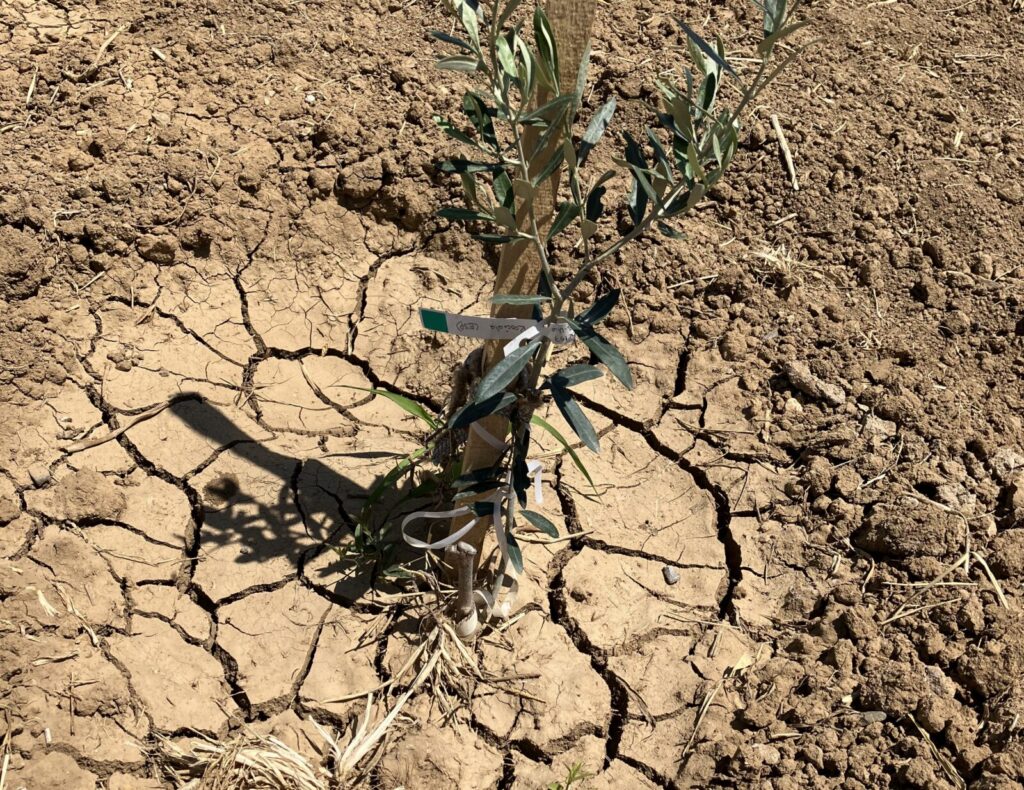
Today, 17 June, we observe the World Day to Combat Desertification and Drought, established by the United Nations in December 1994. The day serves as a reminder of the importance of maintaining healthy soils and managing water resources sustainably in the face of climate change.
Desertification, or land degradation in arid, semi-arid, and dry sub-humid regions, is one of the most pressing environmental challenges of our time. It is a global issue that requires coordinated action by the international community. Caused primarily by human activities and climate change, its impacts are felt most severely by the world’s poorest communities.
Dr Maja Podgornik, Head of the Olive Growing Institute and the Institute of Viticulture and Enology at ZRS Koper, said:
“Through our research, both institutes are actively engaged in finding solutions to improve agriculture’s resilience to drought. Our work on soil management, irrigation, sustainable farming practices, and the adaptation of olive growing and viticulture to climate change contributes to preserving soil fertility, improving water-use efficiency, and ensuring the long-term sustainability of olive growing, viticulture, and Mediterranean landscapes.”
On the occasion of the World Day, UNESCO also highlights the importance of individual responsibility. The choices we make every day—what we buy, eat, drink, wear, and how we travel—have a direct impact on land use and natural resources. Sustainable lifestyle choices can therefore make a significant contribution to protecting ecosystems, preventing further environmental degradation, and limiting the spread of desertification.
Dr Jerneja Penca, Head of the Mediterranean Institute for Environmental Studies at ZRS Koper, added:
“Individual actions are important, but they are only part of the solution. Our water management systems must be designed to ensure that water is always used responsibly and with respect. The research and collaborative projects carried out at our institute, particularly NATURGO and LIFE4ADAPT, help improve understanding of how cities can manage water resources more effectively and strengthen the capacity of coastal cities to incorporate nature-based solutions into their policies and practices. Through the RISTANC project, we also focus on marine governance, as the sea represents the largest water system on our planet.”
We therefore face a dual challenge: making responsible choices in our daily lives while at the same time developing policies, practices, and governance systems that ensure the sustainable use of land and water resources. The fight against desertification and drought can only succeed if responsibility is shared by all—individuals, local communities, research institutions, businesses, and policymakers.