 en
 Slovenščina
 Italiano
How can we extend not only our lifespan, but above all the number of years we spend healthy, active and independent? This question was at the heart of this year’s Knowledge for Health event, held yesterday, 1 October 2026, on the occasion of the International Day of Older Persons at the Centre for Humanities of the Science and Research Centre Koper (ZRS Koper). The 15th edition of the event, organised by ZRS Koper in cooperation with Izola General Hospital, combined free health-related assessments with an expert discussion on longevity. Experts highlighted the importance of muscular, cognitive and cardiovascular health, as well as the role of society in creating conditions that support healthy ageing.
This year’s event also had an international dimension, as it joined an initiative of the European Association of Professors Emeriti (EAPE) marking the International Day of Older Persons. As part of the initiative, events and expert discussions dedicated to healthy living and longevity were held simultaneously in Sarajevo, Košice, Frascineto, Naples, Messina and Koper.
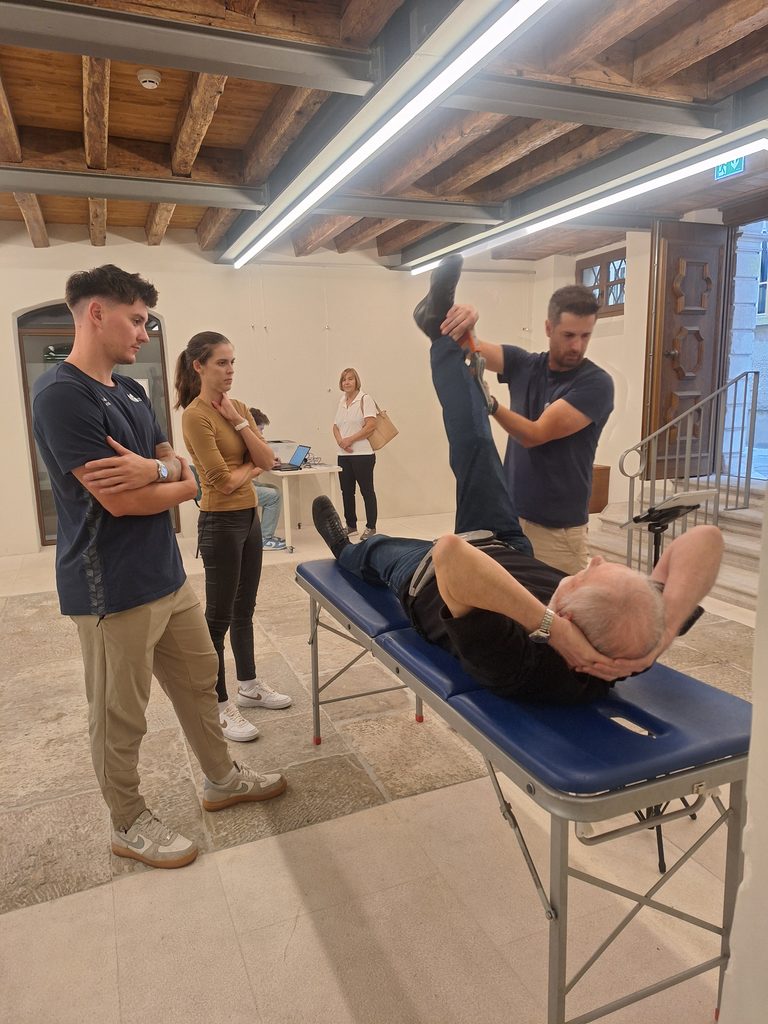
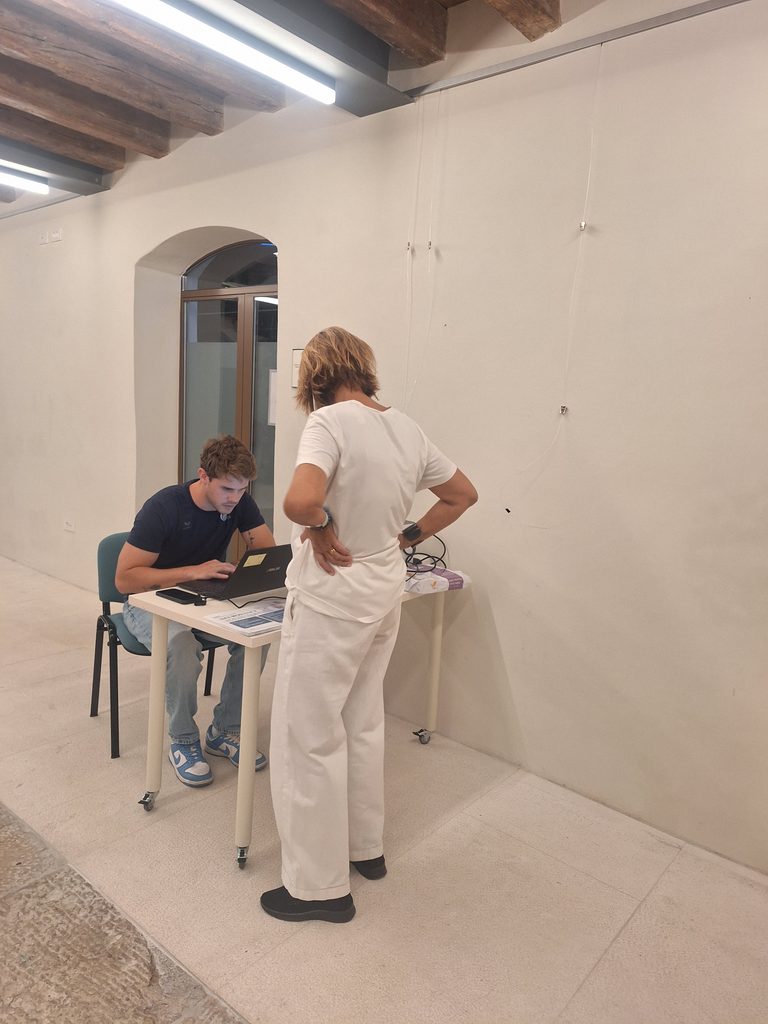
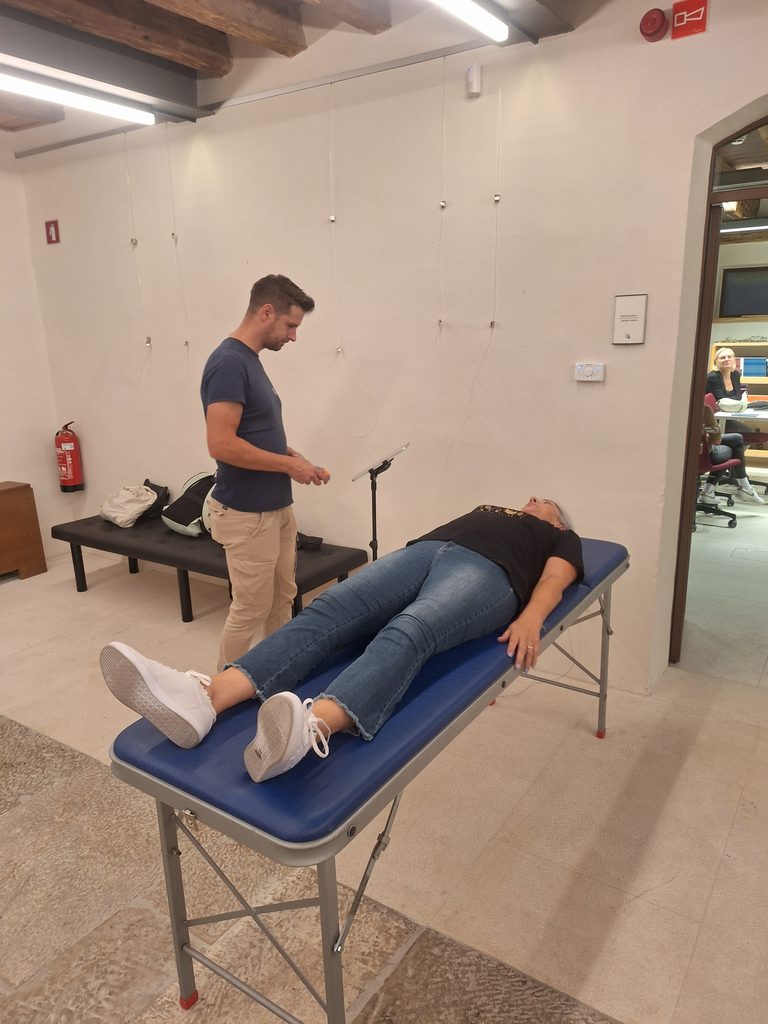
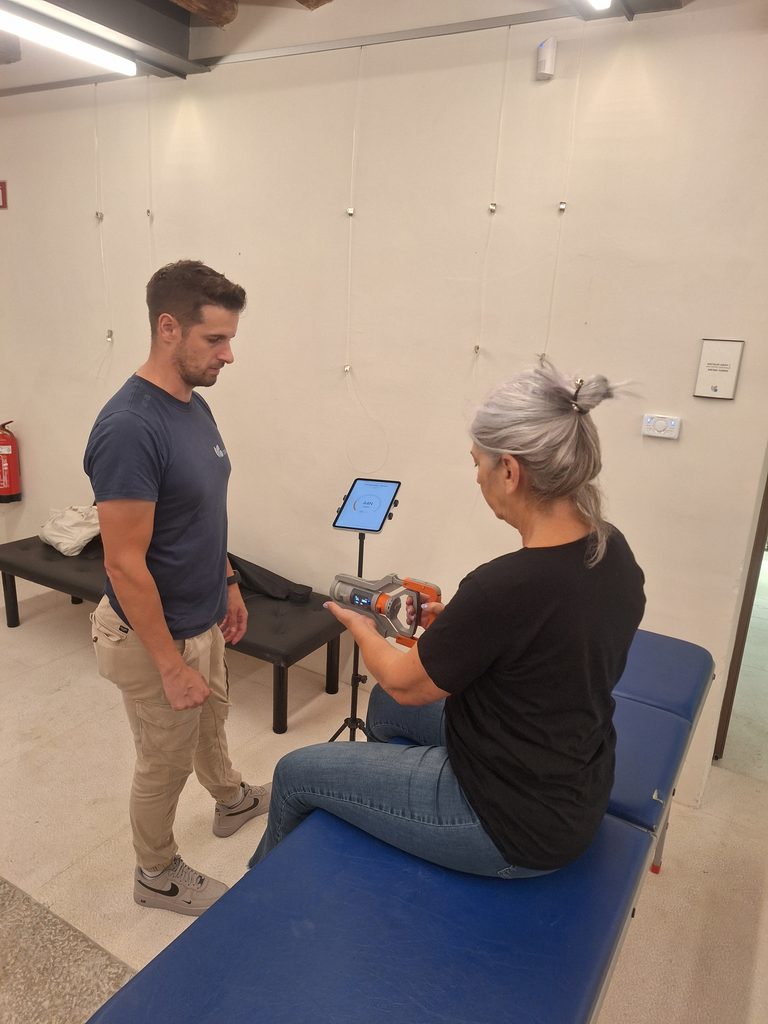
The afternoon was dedicated to practical health assessments. Participants were able to test their balance, handgrip strength, hamstring flexibility and lower-limb strength through the sit-to-stand test. The measurements provided insight into physical fitness and several important indicators of functional capacity that influence quality of life and the ability to remain independent in older age.
The evening session, entitled Will We Live Longer, or Simply Grow Old for Longer?, was moderated by the initiators of the event, Prof. Rado Pišot, PhD, Director of ZRS Koper, and Assoc. Prof. Mladen Gasparini, MD, PhD, from Izola General Hospital. The participants were also welcomed by Prof. Emeritus Giancarlo Bracale, President of the European Association of Professors Emeriti. This was followed by presentations by four experts, who addressed healthy longevity from different yet interconnected perspectives.
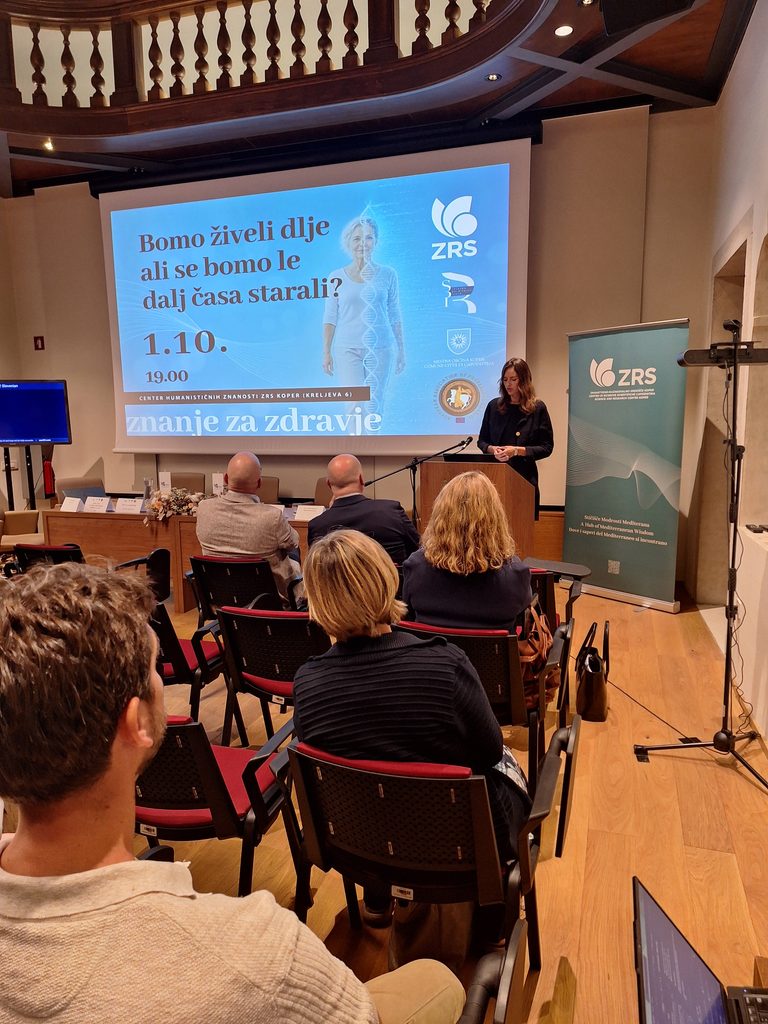
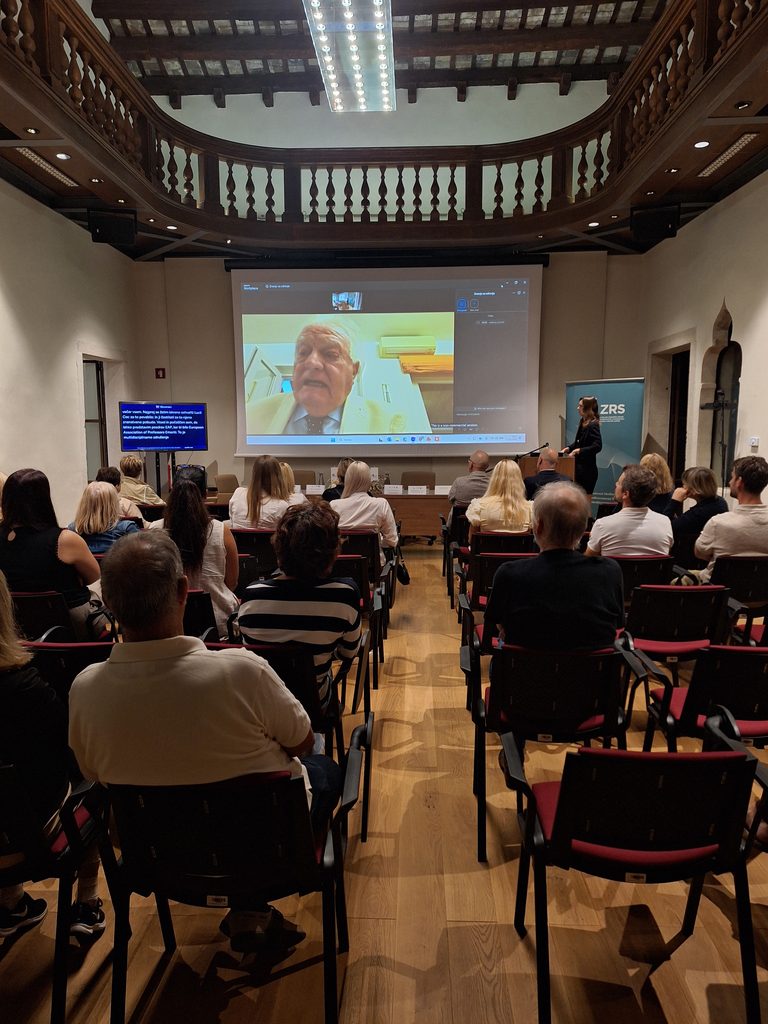
Prof. Emerita Lucija Čok, PhD, from the Language and Social Innovation Lab (LangLab) ZRS Koper, presented learning new languages as a form of cognitive training later in life. She explained how multilingualism and the acquisition of new languages can contribute to cognitive reserve and help preserve mental abilities. She also presented a planned research programme which, in spring 2027, will include a French-language course designed as a combination of language learning, cognitive training, physical activity and social interaction.
Prim. Assoc. Prof. Mojca Gabrijelčič Blenkuš, MD, PhD, from the National Institute of Public Health (NIJZ), emphasised that healthy ageing is not solely the responsibility of the individual, but of society as a whole. In the context of demographic change, she highlighted the importance of preventive measures, supportive living environments and intergenerational solidarity. Particular attention was devoted to ageism, including age-related stereotypes and discrimination, which can negatively affect health, social inclusion and the quality of life of older people.
Prof. Boštjan Šimunič, PhD, from the Institute for Kinesiology Research at ZRS Koper, emphasised that skeletal muscles are essential for healthy longevity. He pointed out that muscles do much more than enable movement: they also play an important role in regulating metabolism and maintaining physical function. He presented research showing that muscle strength is an important indicator of functional capacity and stressed the importance of resistance training. When it comes to healthy ageing, the goal is therefore not only to preserve muscle mass, but above all to maintain muscle function.
Tinkara Ravnikar, MD, from Izola General Hospital, presented the importance of cardiovascular health for longevity. She explained that atherosclerosis develops over decades and that many risk factors can be influenced by timely lifestyle changes. She outlined eight key areas for maintaining cardiovascular health, including a healthy diet, regular physical activity, quality sleep, smoking cessation, and monitoring blood pressure, cholesterol and blood glucose levels.
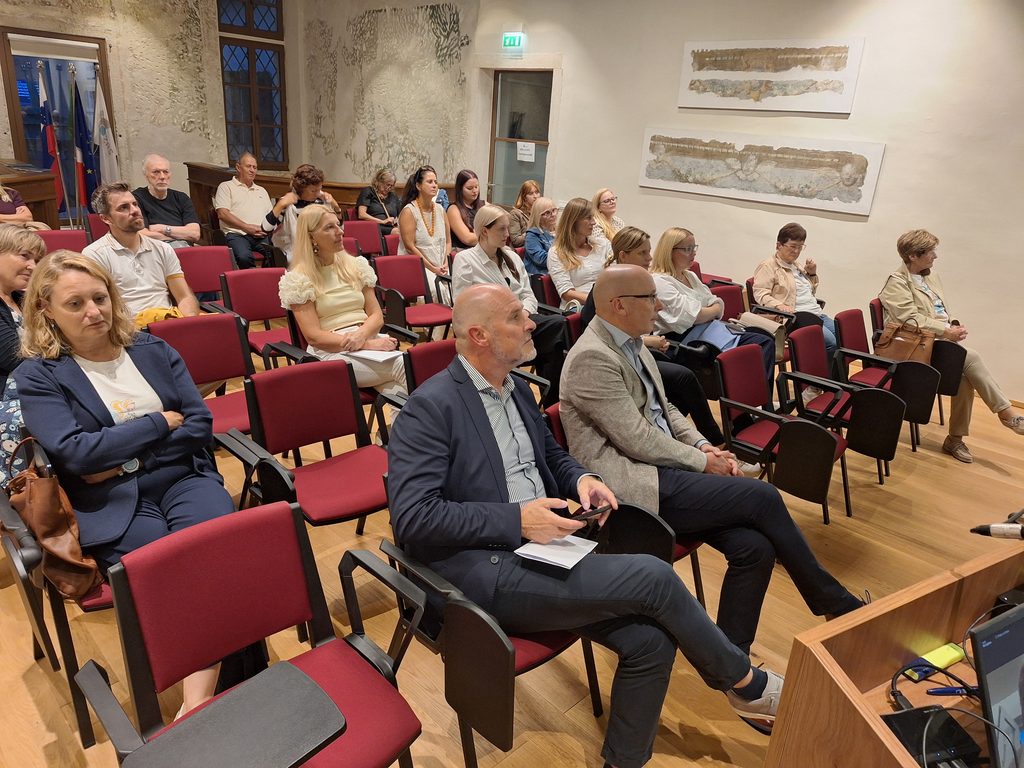
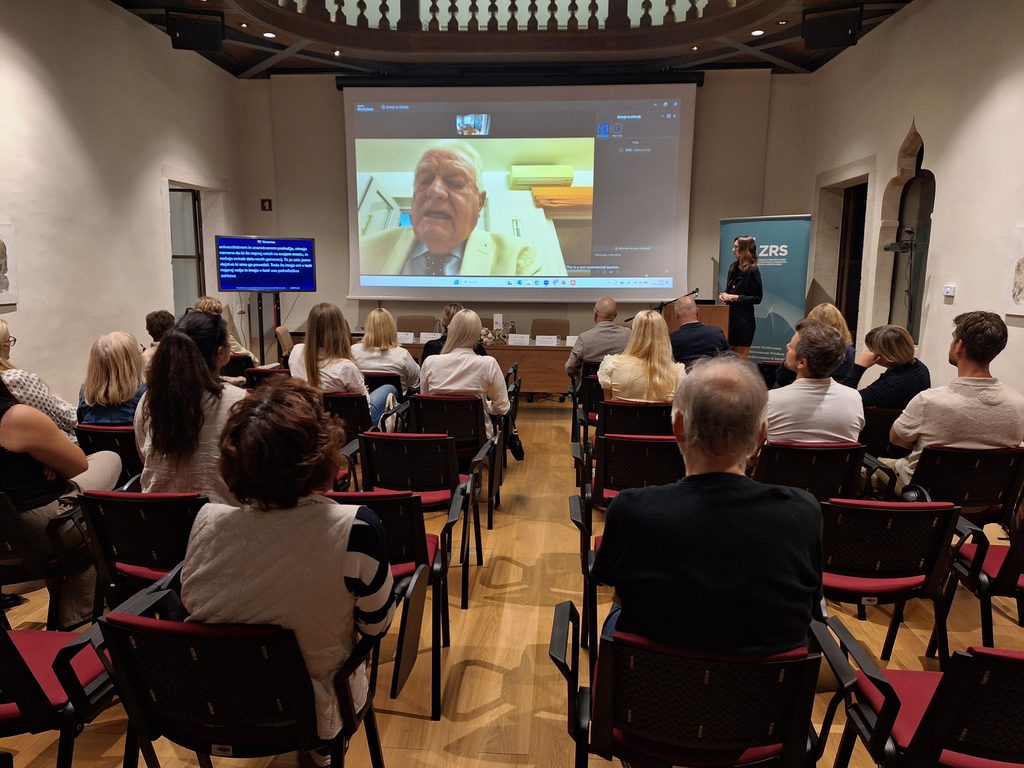
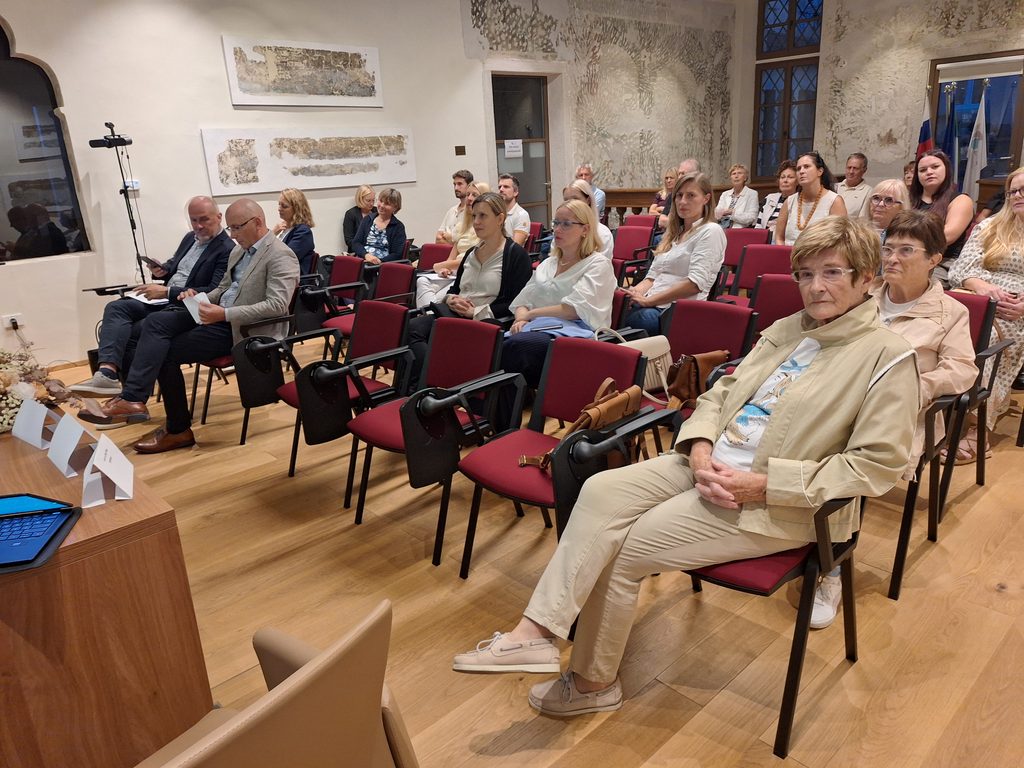
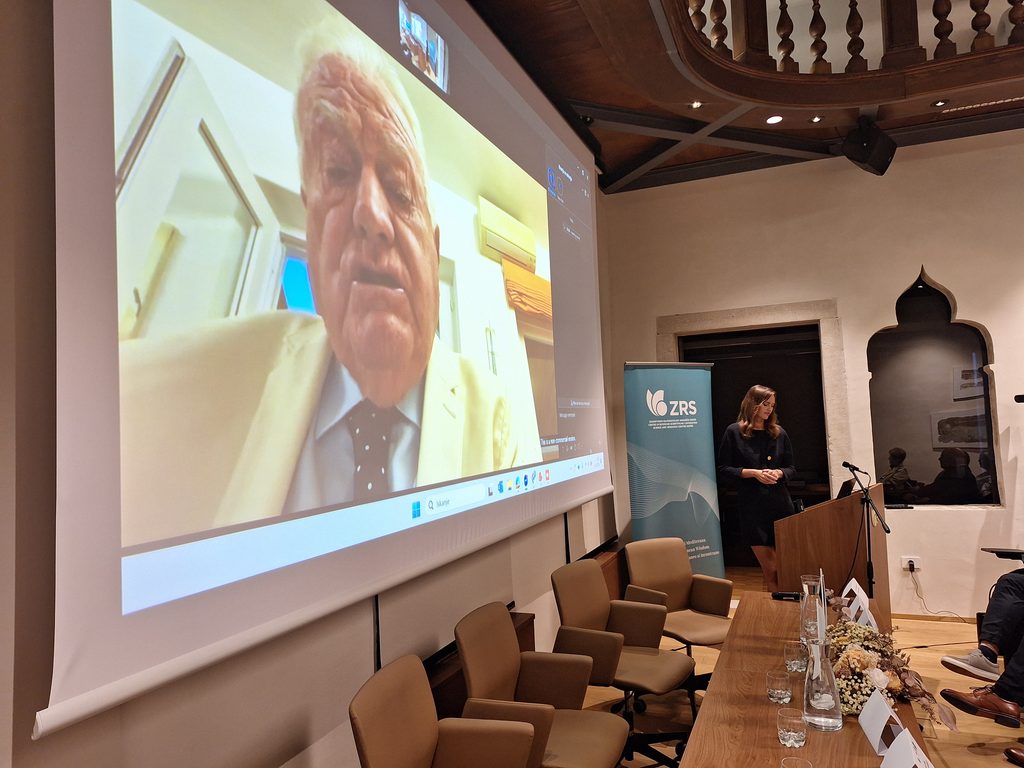
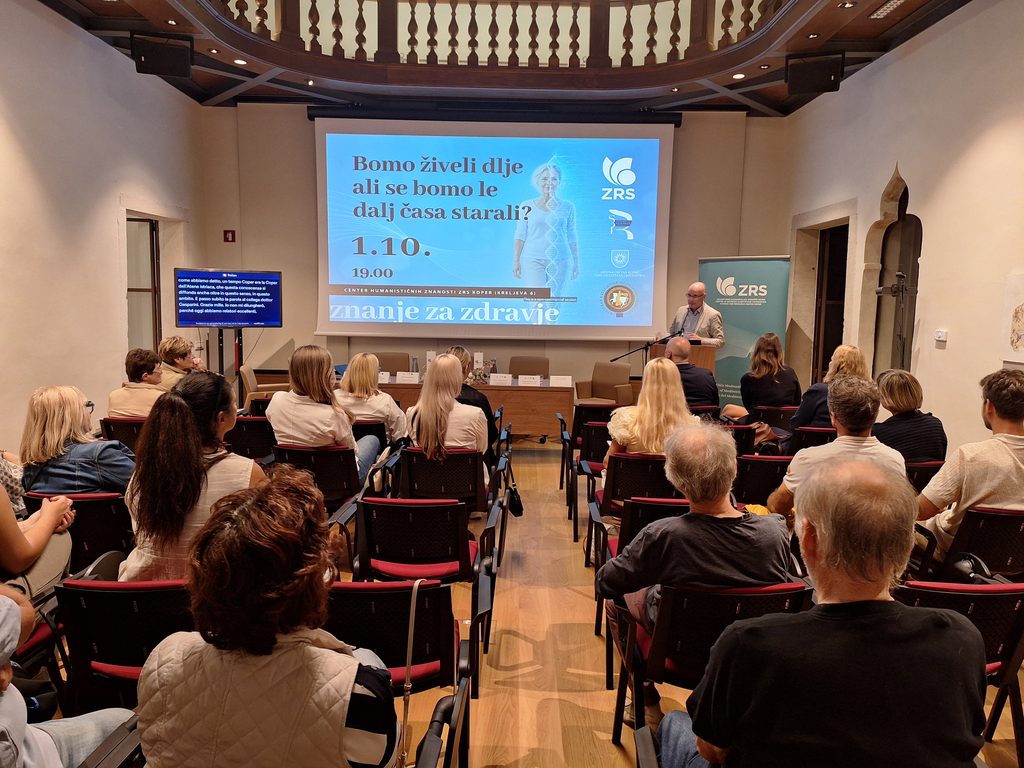
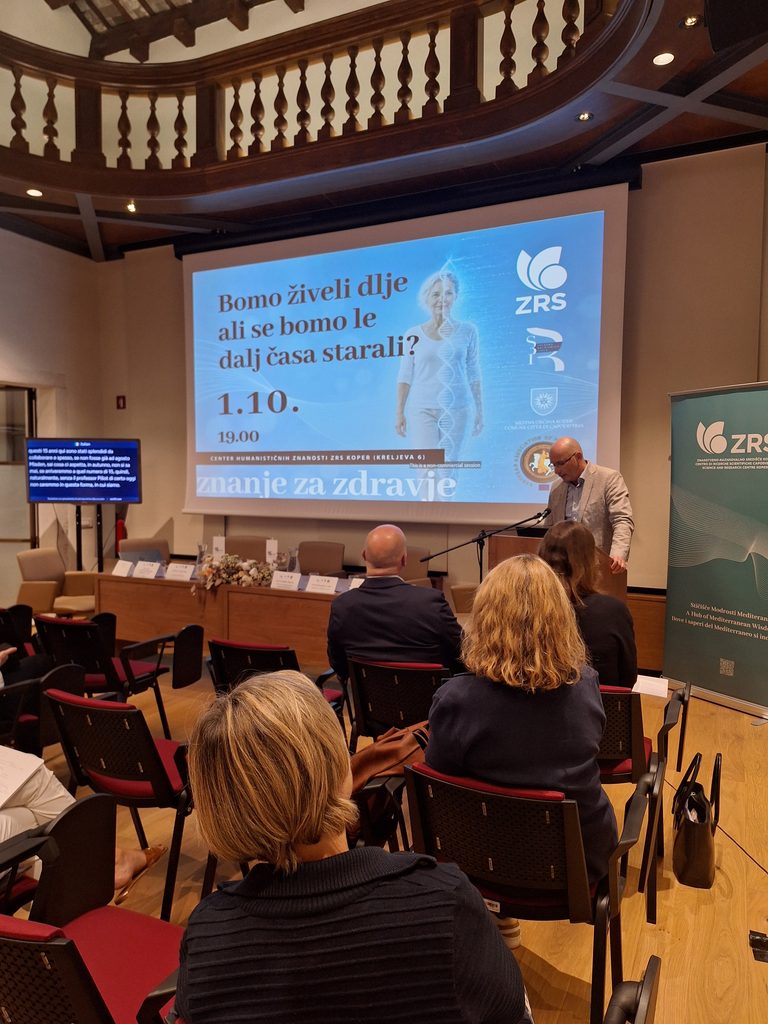
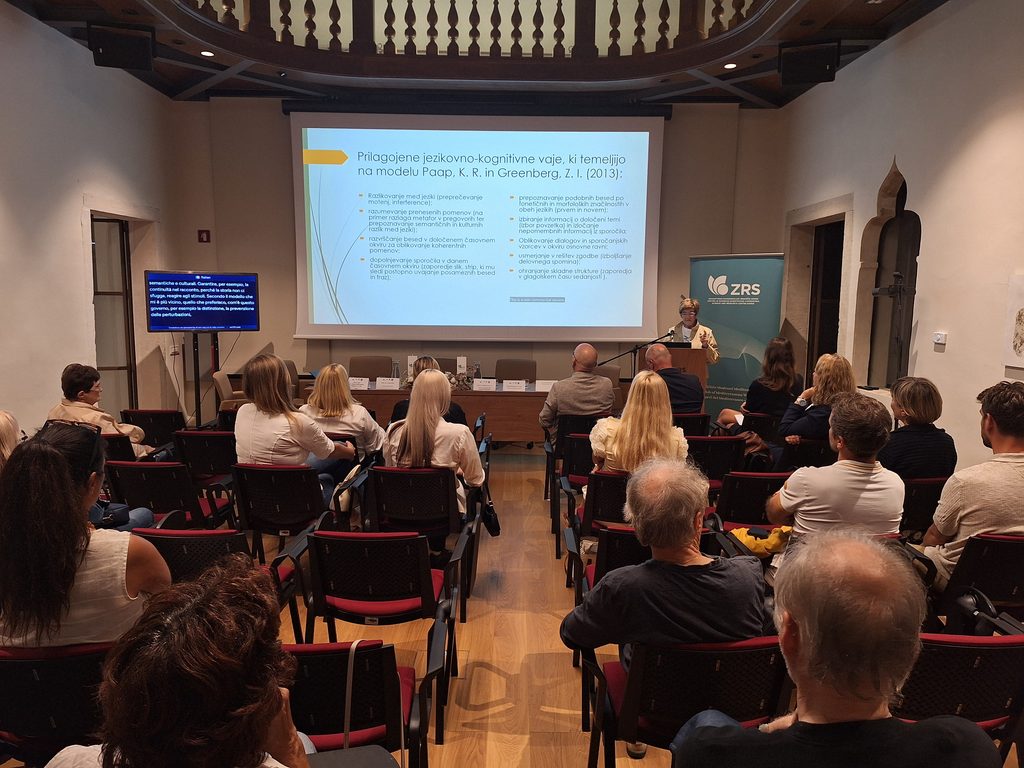
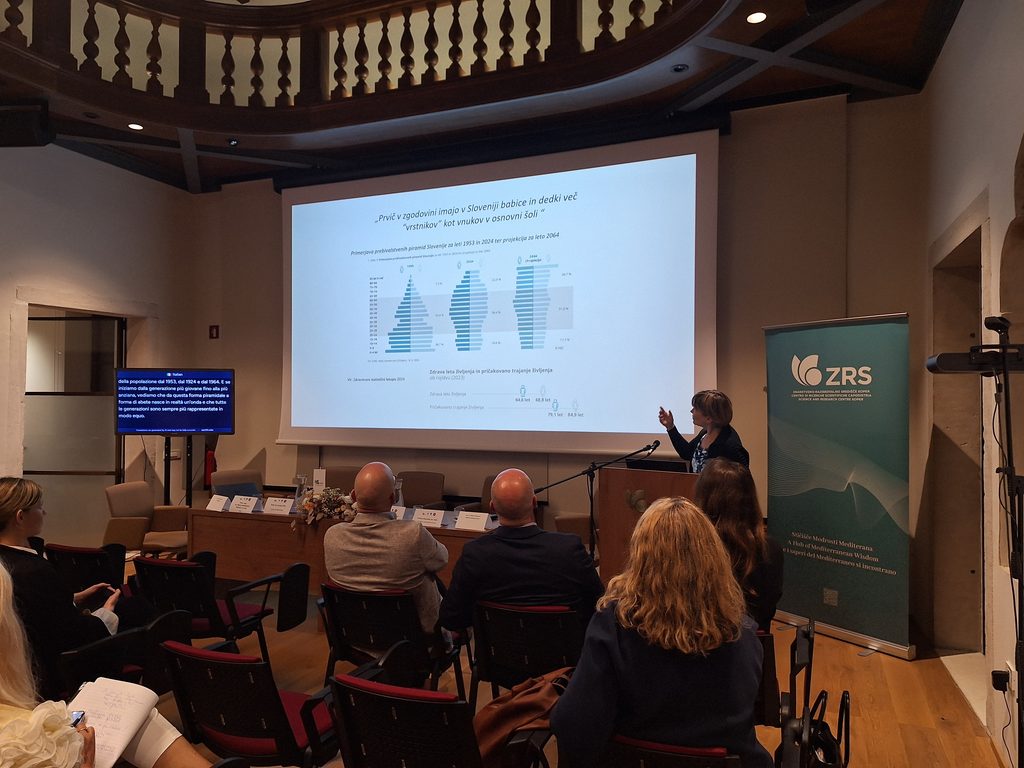
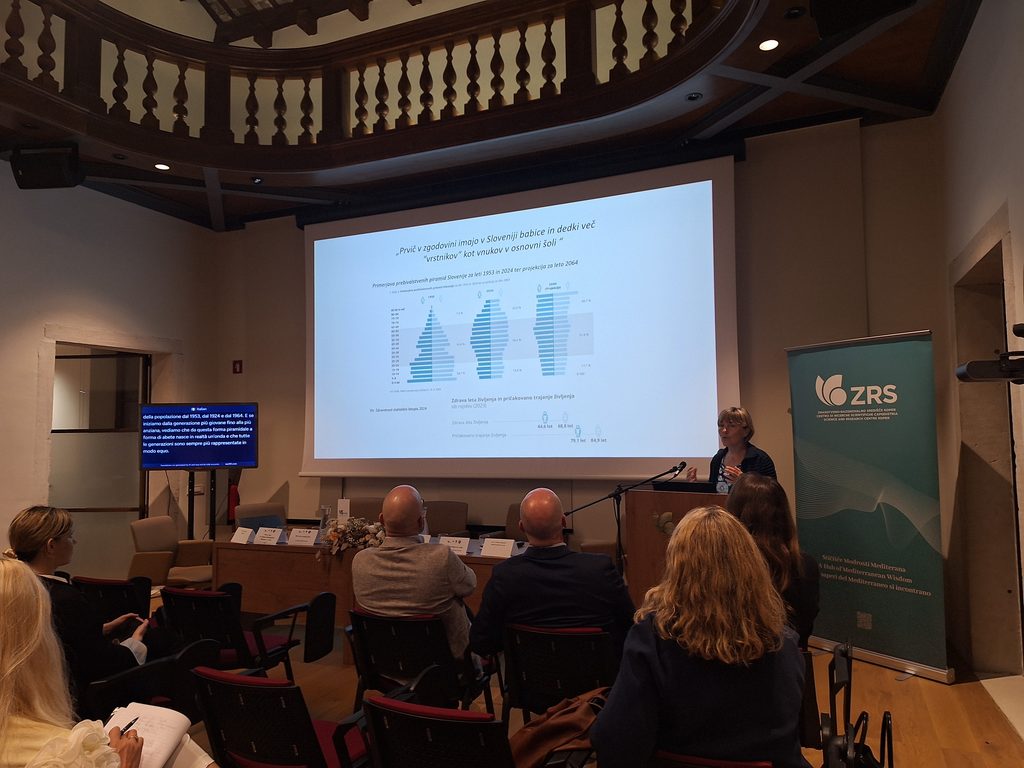
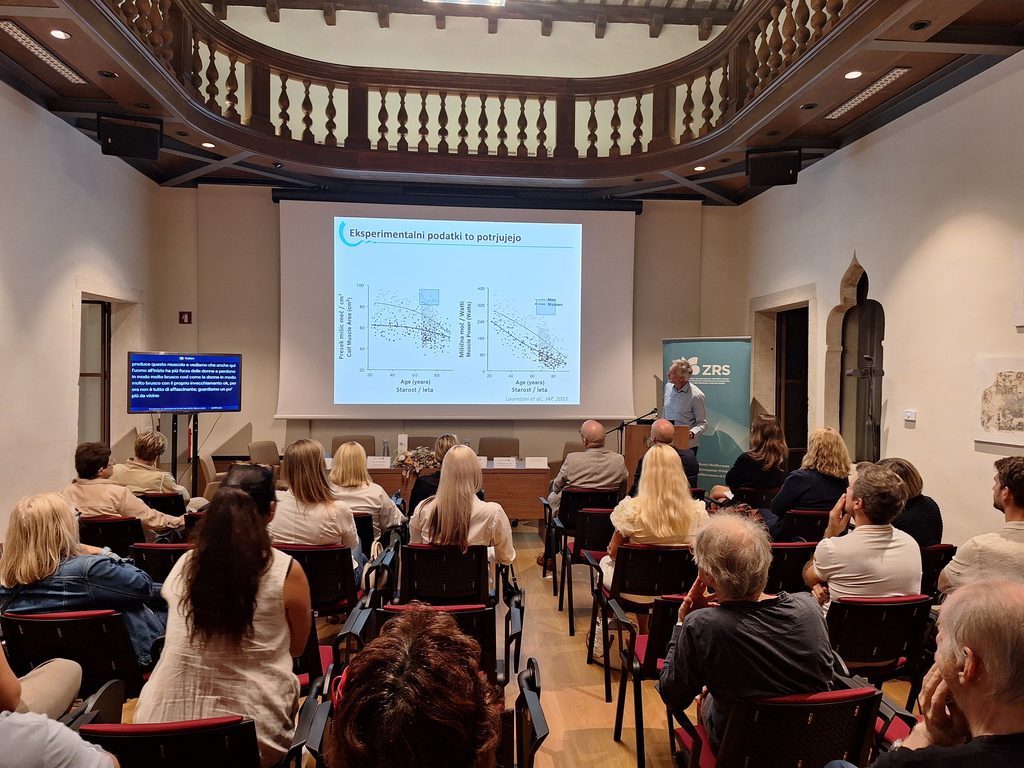
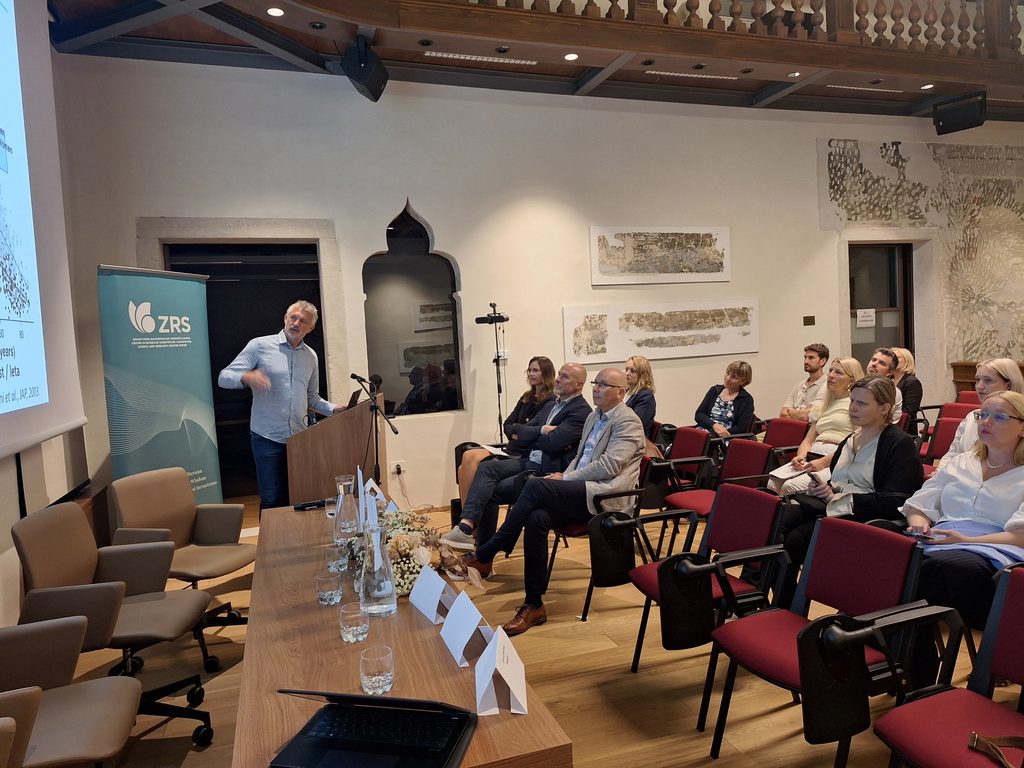
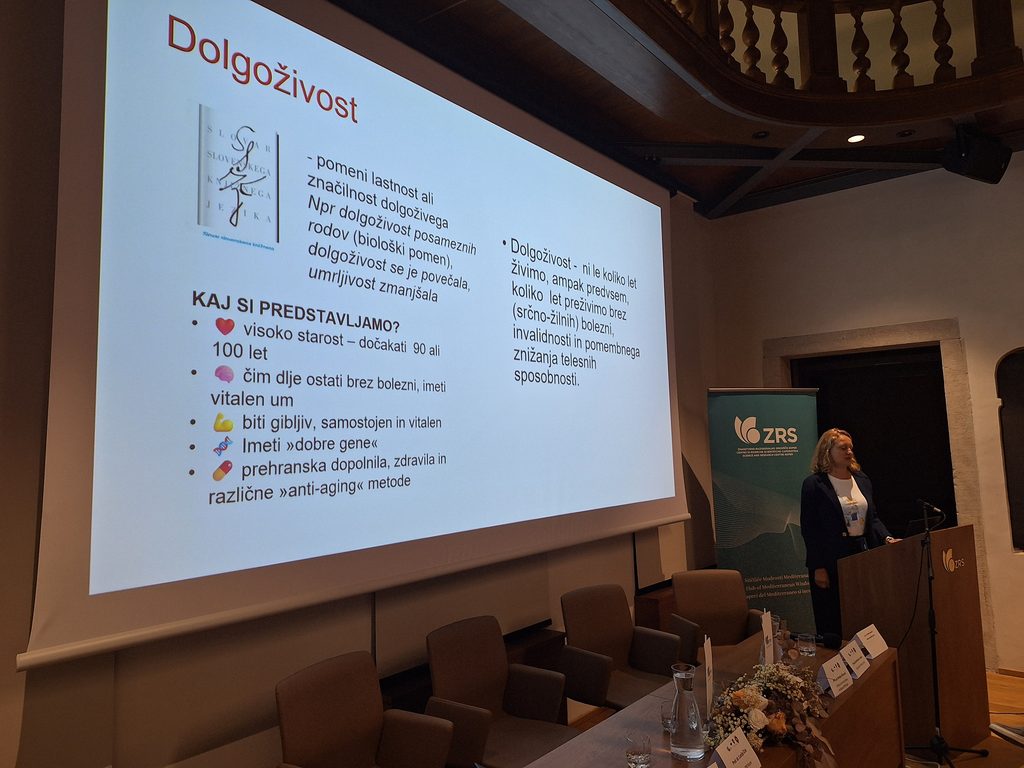
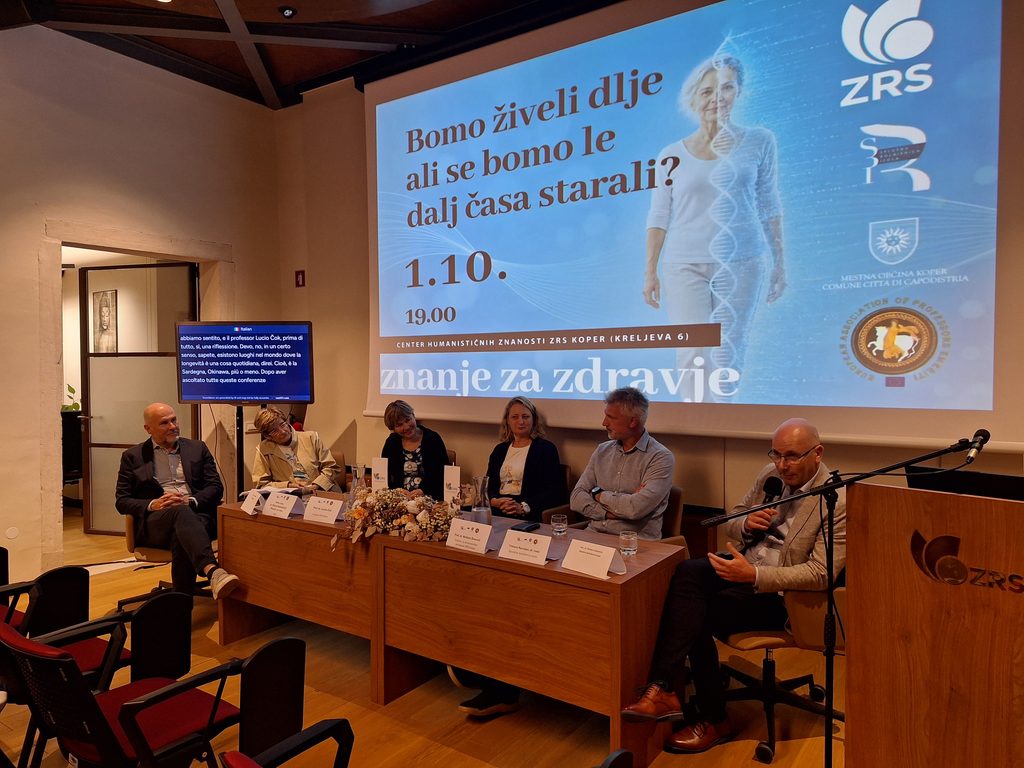
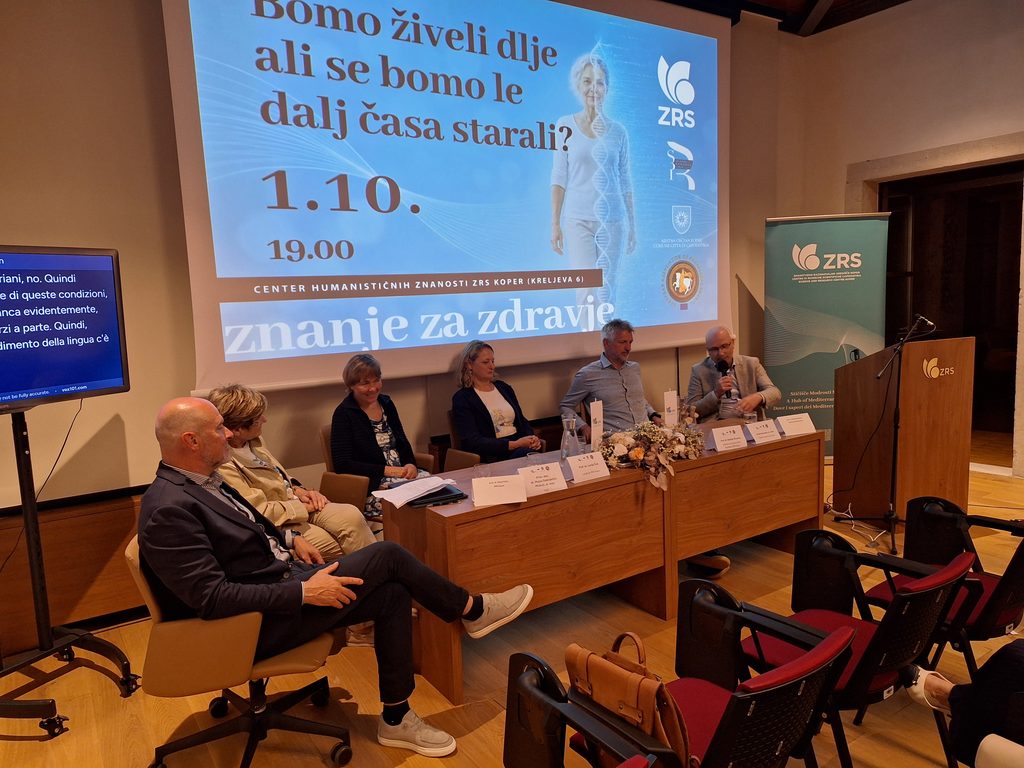
The presentations were followed by a discussion on how individual responsibility for health can be combined with systemic measures and the development of environments that enable people to age well.
The 15th edition of the Knowledge for Health event once again highlighted the importance of connecting science, medicine and the wider public. The key message of this year’s event was that longevity should not be measured solely by the number of years lived, but above all by the number of years spent in good health, living independently and actively participating in society.
The event, organised by ZRS Koper and Izola General Hospital, was once again supported this year by the Municipality of Koper.