 en
 Slovenščina
 Italiano
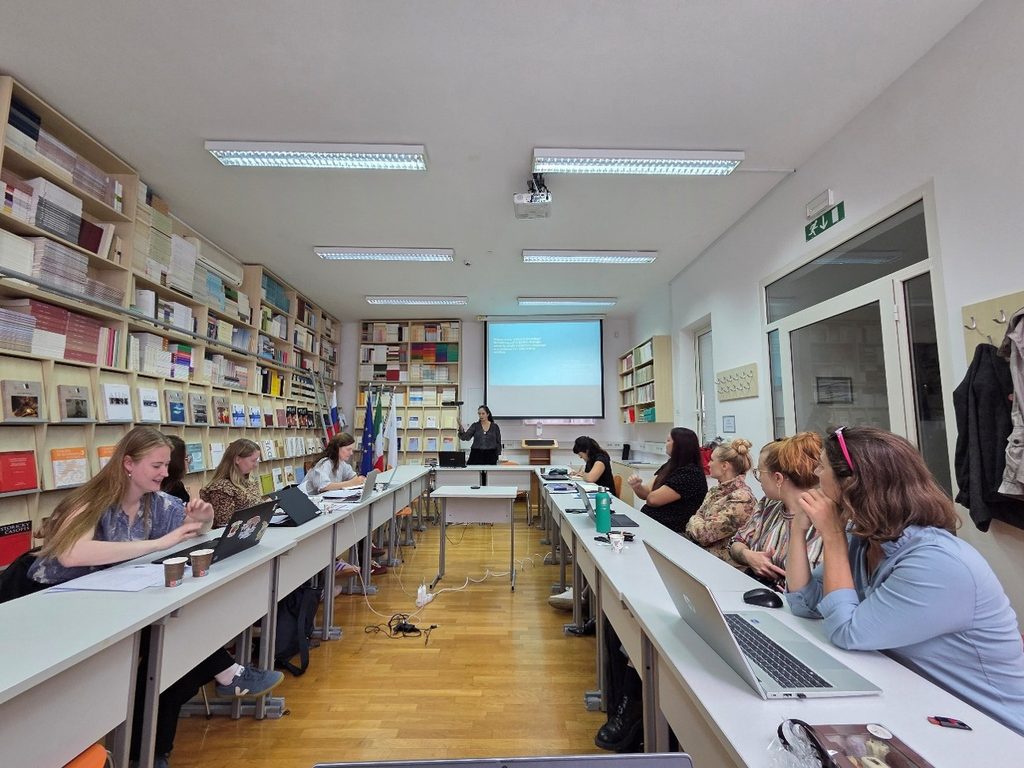
On 7 October 2026, ZRS Koper hosted an international symposium entitled “Tackling Diversity: Reflexivity, Decoloniality & Participation”, bringing together researchers, educators, practitioners and local decision-makers to discuss cultural diversity, inclusion and participation.
Cultural diversity has become one of the defining characteristics of contemporary European societies, while demographic and social trends indicate that Europe will become even more diverse in the coming decades. However, greater diversity does not in itself necessarily lead to greater inclusion or equality.
The symposium was organised by Dr Maja Zadel and Dr Zorana Medarić from the Institute for Social Studies at ZRS Koper within the framework of the projects EXPECT_Art – EXPloring and Educating Cultural Literacy Through Art, the ARIS research programme Contemporary Migration and Superdiversity: Processes, Effects and Responses (P5-0462), the Knowledge and Technology Transfer Office – KTO3, and the bilateral project Tackling Diversity: Decolonising Monocultural Assumptions in Education in Slovenia and Denmark (BI-DK/25-27-004, Slovenia–Denmark).
The symposium provided a platform for knowledge transfer and the exchange of research findings and good practices developed through scientific research carried out within the following projects: EXPECT_Art – EXPloring and Educating Cultural Literacy Through Art; Let Me Tell You About My Language (research programme Slovenhood Dimensions between Local and Global at the Beginning of the Third Millennium, P5-0409); Cognitive-inclusive approaches to cross-language awareness in the linguistic integration of children with migrant background (Z6-50201); Mapping Silence: Analysis of Stressors and Microaggressions in Minority Stress Experiences among LGBT+ Youth in the Educational Context (Z7-60184); Danish as a Second Language between School Subject, (In)Equality and Democracy; and The Reception of Newly Arrived Students in the Welfare State: A Case Study of Policy and Practice in a Danish Municipality.
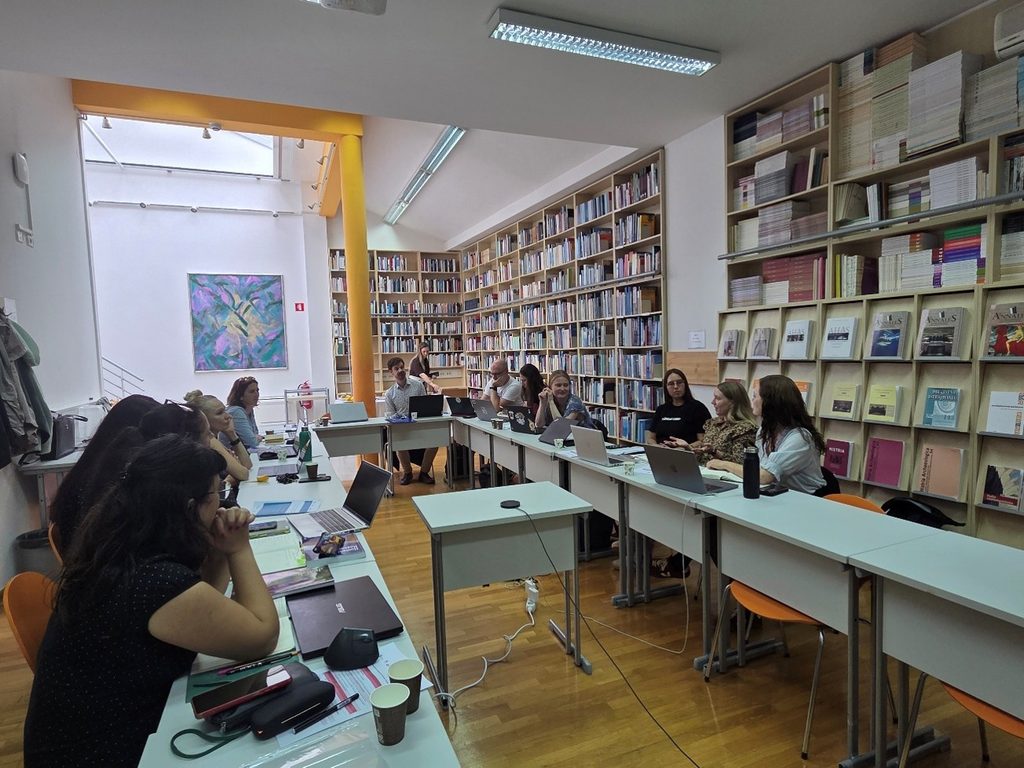
International symposium “Tackling Diversity: Reflexivity, Decoloniality & Participation” at ZRS Koper.
The event focused on three interconnected perspectives that offer important starting points for addressing diversity in contemporary European societies: reflexivity, decoloniality and participation. Discussions explored how reflexive, decolonial and participatory approaches can contribute to more inclusive research, education and institutional practices. Particular attention was given to issues of representation, knowledge production, inequality, cultural hierarchies and opportunities to develop practices that approach diversity as a starting point for critical reflection and co-creation. The aim was to foster new collaborations and explore how knowledge can contribute to addressing concrete societal challenges.
Such research findings have the potential to be further translated into educational models, work with children and young people, institutional policymaking and the development of inclusive practices. Connecting and fostering cooperation among researchers, institutions and knowledge users is therefore one of the key conditions for research to achieve a broader societal impact. In this context, it is essential that knowledge transfer is not a one-way process but is based on collaboration and co-creation with different groups, institutions and knowledge users.
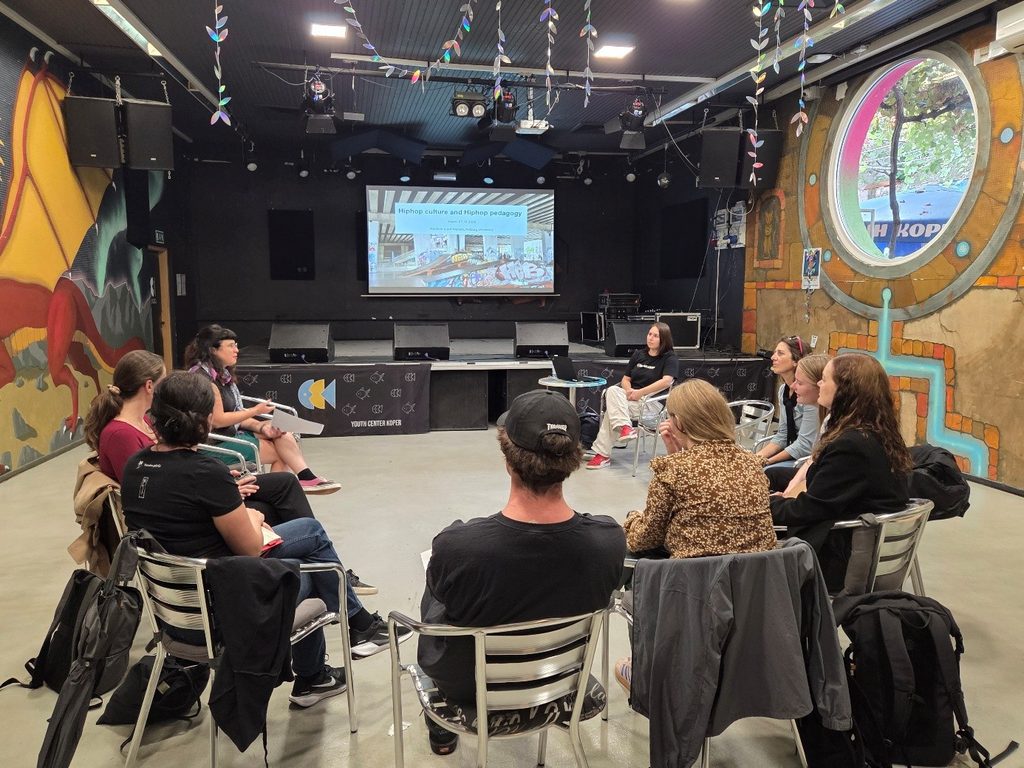
The event “What counts as culture? Alternative culture in the classroom?” at CMK.
Recognising the important role of local communities in developing and implementing inclusive practices, an additional event entitled “What Counts as Culture? Alternative Culture in the Classroom?” took place in the afternoon at the Youth Centre Koper (CMK). Alongside a presentation of hip-hop pedagogies, the event sparked a discussion on the opportunities and barriers to moving beyond elitist understandings of culture and incorporating “alternative” forms of culture into classroom teaching.
The project Knowledge and Technology Transfer Office – KTO3 is co-financed by the Republic of Slovenia and the European Union through the European Regional Development Fund.