 en
en Slovenščina
 Italiano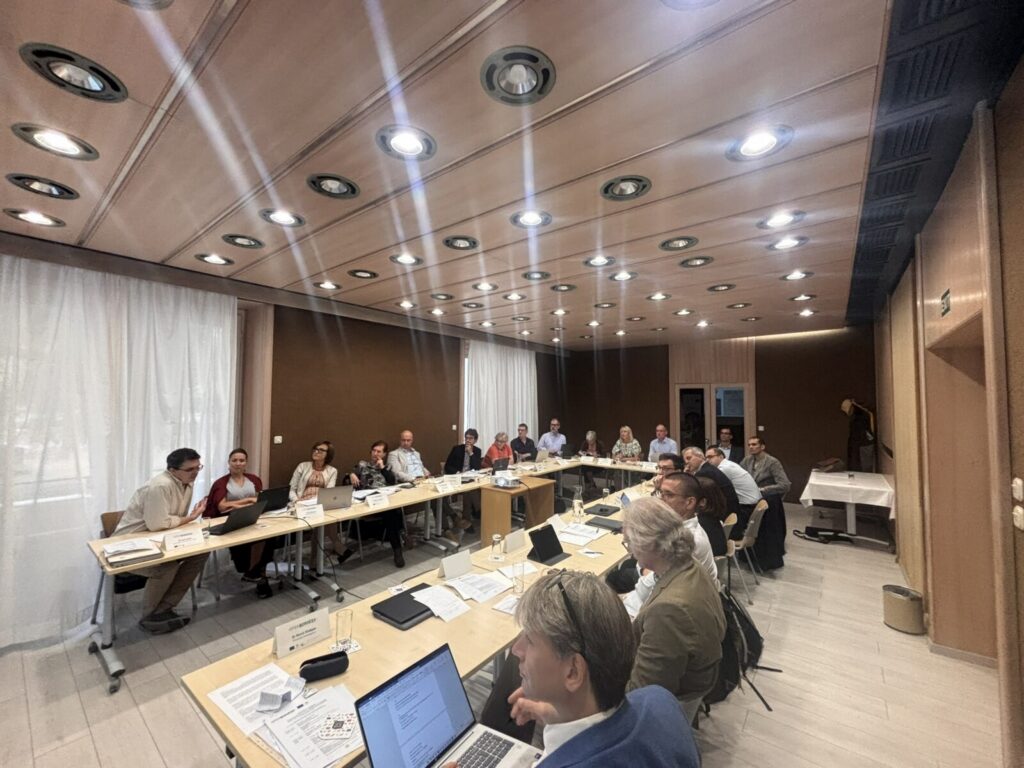
The international scientific workshop Cross-Border Practices and Regional Connectivity in the Alps-Adriatic Area: Historical Perspectives, jointly organised by the Science and Research Centre Koper (ZRS Koper) and the Centre for Cultural and Historical Research of Socialism at the Juraj Dobrila University of Pula, took place from 23 to 25 September 2026 in Pula and on the Brijuni Islands.
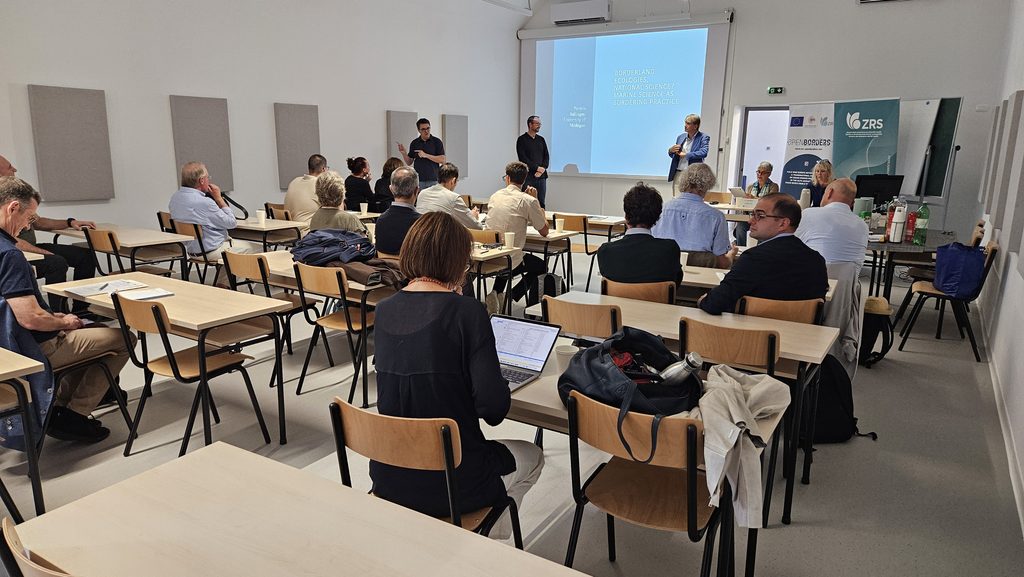
The workshop brought together researchers from several European countries to discuss different forms of cross-border interaction, connectivity and regional cooperation in the area between Austria, Italy and Yugoslavia during the Cold War. Across twelve presentations, participants explored a wide range of cross-border practices and forms of cooperation, including regional diplomacy, industrial cooperation, infrastructure projects, media, tourism, youth sports exchanges, mountaineering associations, as well as hunting and fishing.
Particular attention was devoted to the activities of the Alps-Adriatic Working Community, which provided an important framework for regional cooperation across different political and state borders.
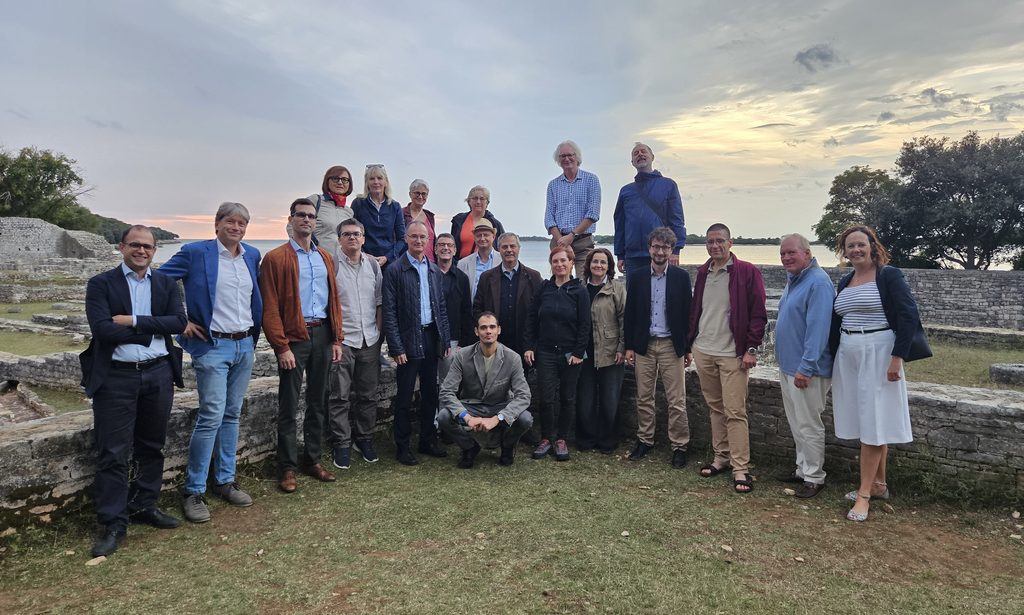
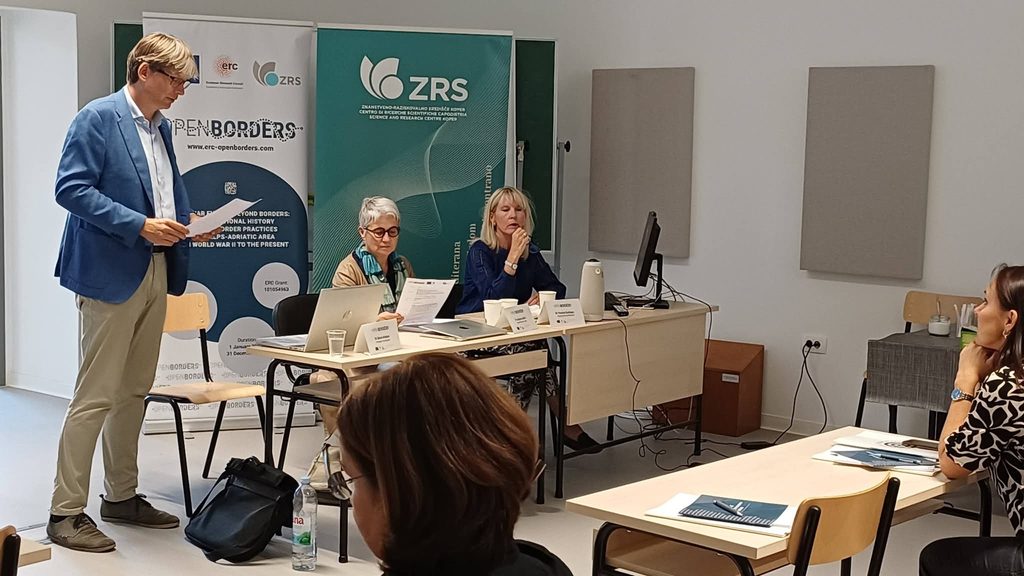
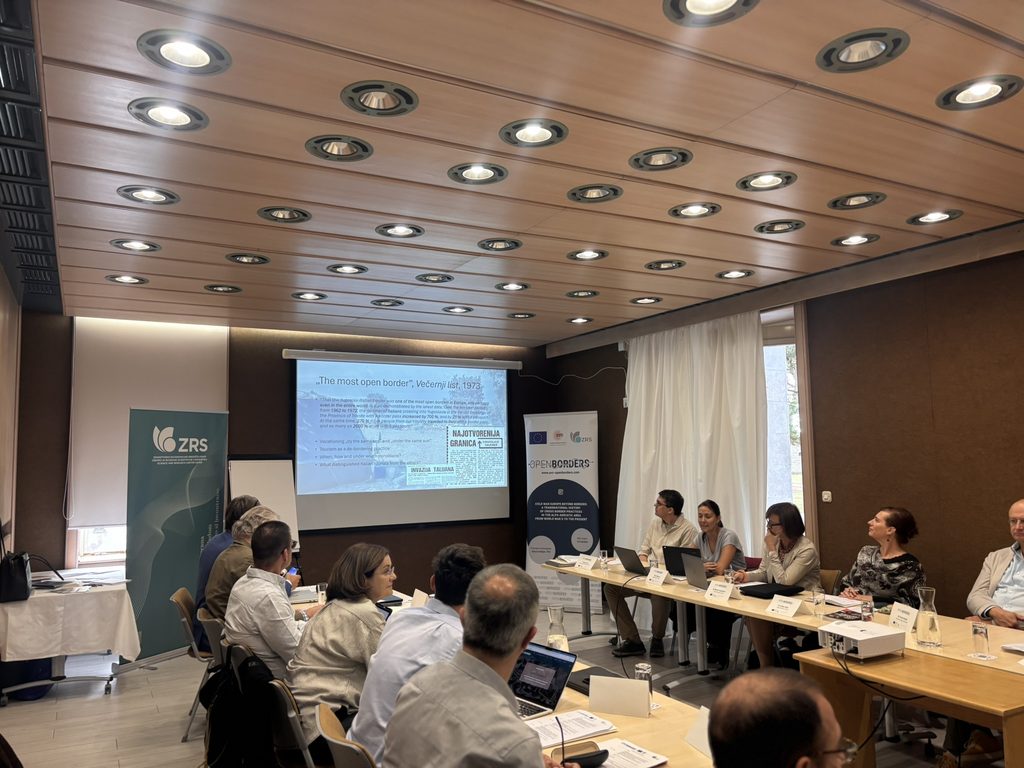
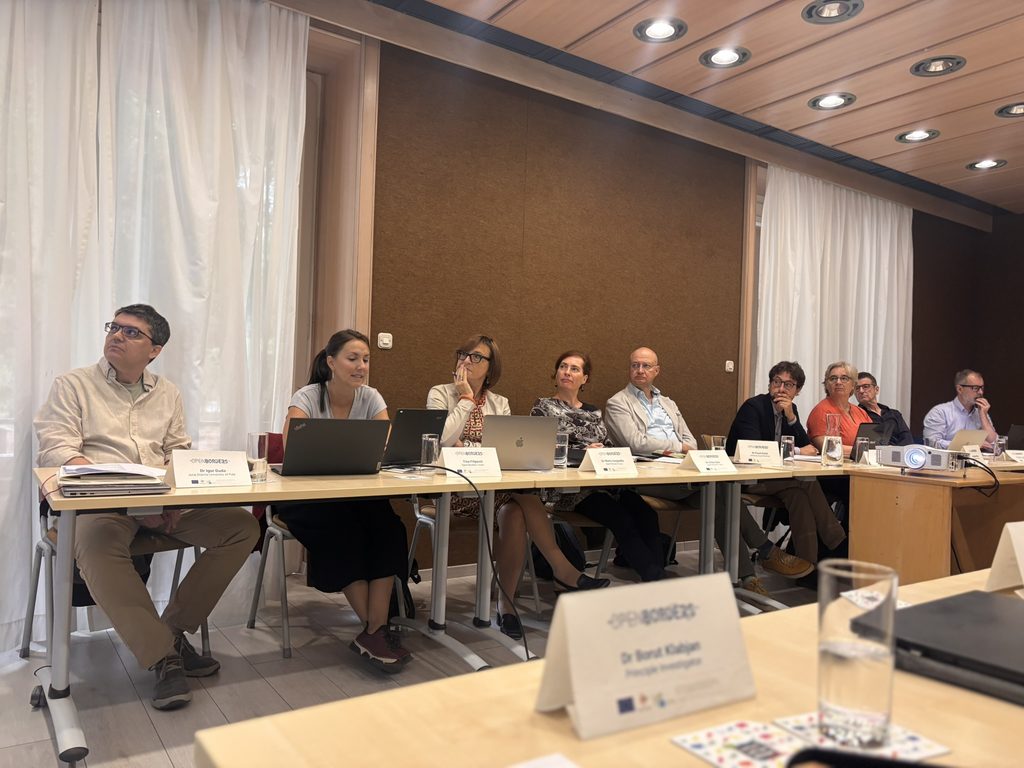
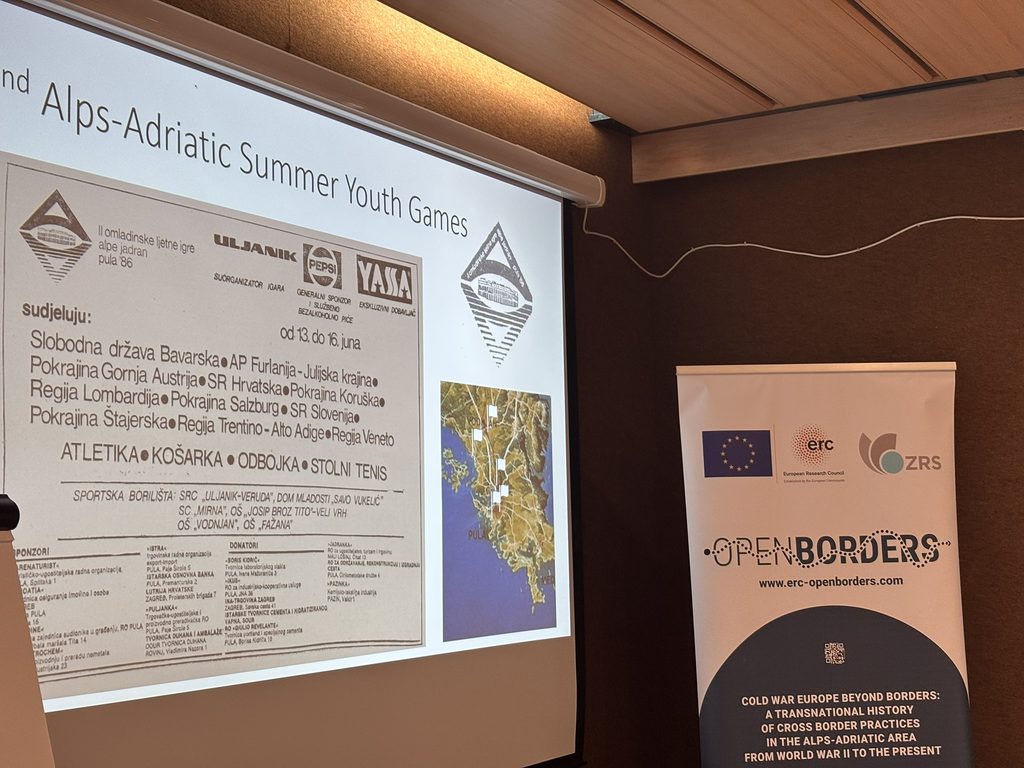
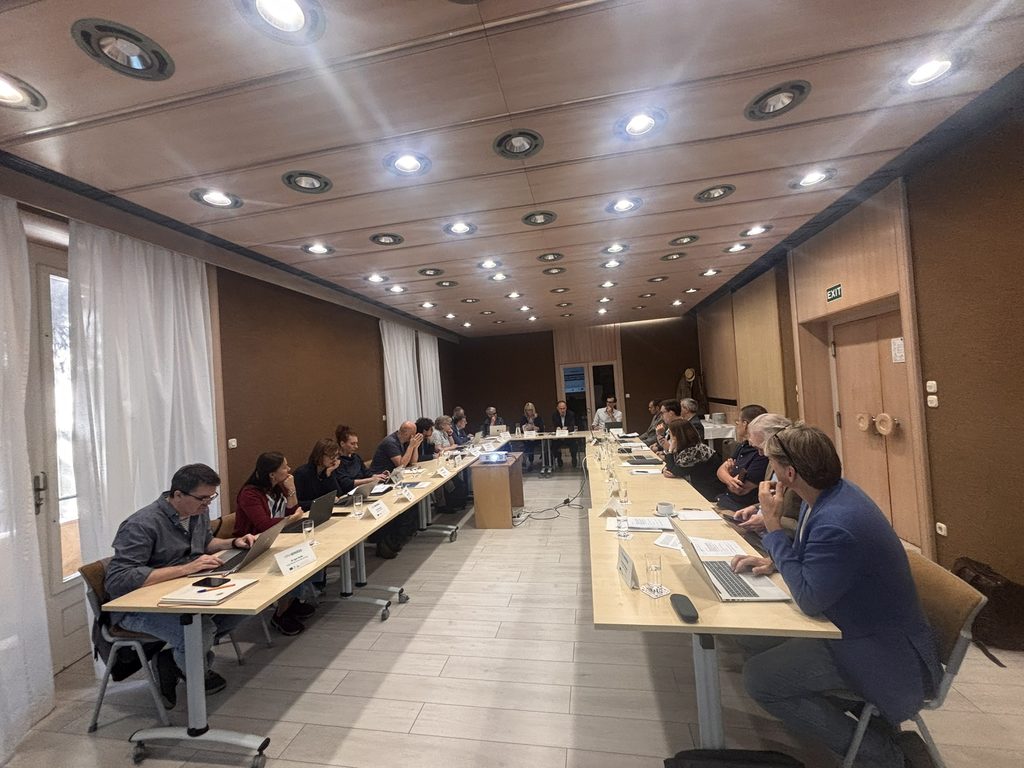
The workshop opened with a keynote dialogue between Pamela Ballinger and Sabine Dullin, bringing together micro- and macro-level perspectives on borderlands and encouraging participants to reflect on how borders were experienced, negotiated and transformed at different levels. The workshop concluded with an in-depth discussion on the Brijuni Islands, bringing together several of the broader themes explored during the event.
The discussion also highlighted the complexities and ambiguities inherent in the functioning of border regimes, particularly in relation to local communities and the development of cross-border cooperation in this part of Europe.
The workshop was organised as part of the European Research Council (ERC)-funded project Cold War Europe Beyond Borders. A Transnational History of Cross-Border Practices in the Alps-Adriatic Area from World War II to the Present (Open Borders), led by Borut Klabjan PhD, from the Institute for Historical Studies ZRS Koper.
The project examines the development of transnational cross-border cooperation between the so-called East and West from the end of the Second World War to the present. Its aim is to reconsider the history of Europe during the Cold War and move beyond the traditional image of a politically divided continent. The project focuses on the Alps-Adriatic region, a historical area that today encompasses parts of Austria, Italy, Slovenia and Croatia.
During the Cold War, the region was divided between socialist and non-aligned Yugoslavia, capitalist and neutral Austria, and Italy, a member of NATO and the European Economic Community. The coexistence of different political, economic and social systems within this relatively small geographical area offers a unique opportunity to explore how cross-border contacts, cooperation and regional connections developed despite political divisions and state borders.
The workshop provided an important opportunity for exchange and discussion among researchers working on the history of borders, borderlands and cross-border cooperation, while further strengthening academic collaboration within the Open Borders project.
The OPEN BORDERS project is funded by the European Research Council under the ERC 2021 Advanced Grant funding scheme (ERC Grant Agreement No. 101054963).