en
en Slovenščina
 Italiano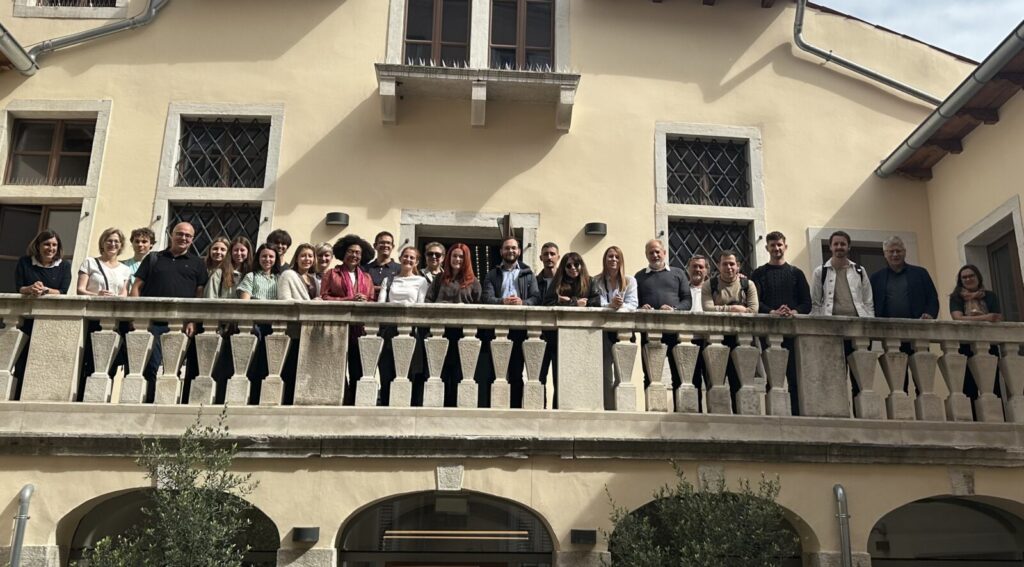
The Biotechnical Faculty of the University of Ljubljana, the company Koto, and the Science and Research Centre Koper (ZRS Koper) hosted a meeting on 19–20 May as part of the European Waste4Soil project, where project partners presented progress in the development of technological, organisational, and social solutions for transforming food processing residues into sustainable soil improvement products. The events took place in Ljubljana and Koper.
The Waste4Soil project brings together research organisations, companies, and expert institutions from ten European countries with the aim of developing sustainable solutions for the reuse of food industry residues. The project addresses one of the key challenges of modern agriculture: how to effectively integrate by-products and food processing residues into the circular economy and use them to improve soil quality, reduce environmental impacts, and strengthen sustainable food production.
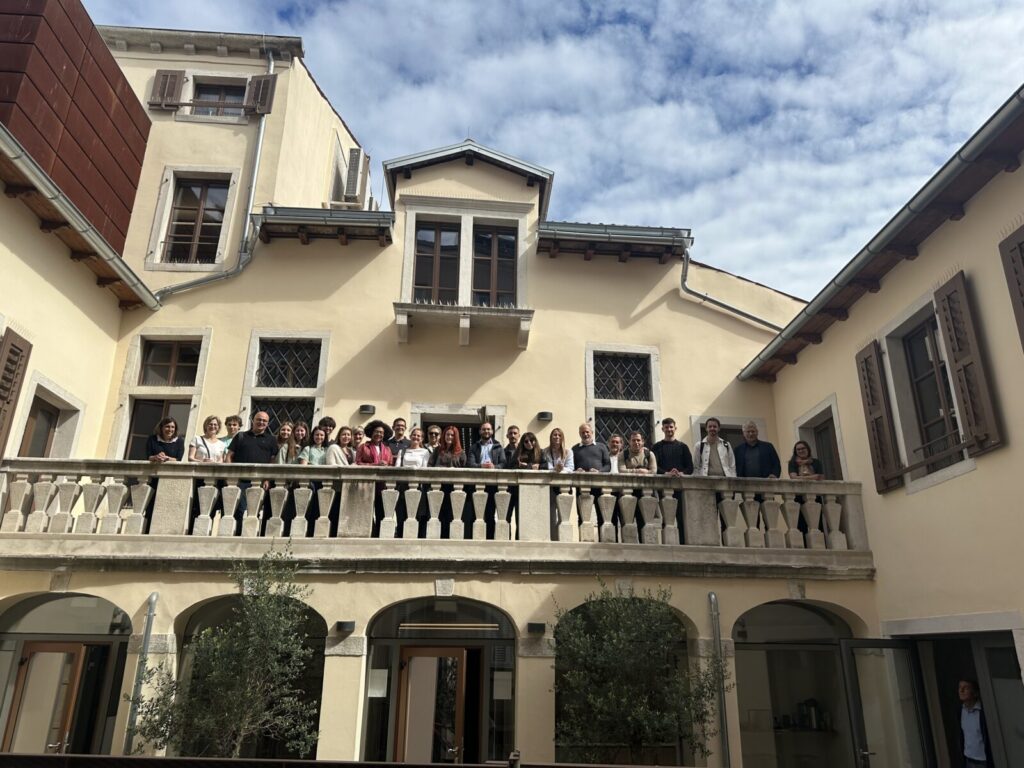
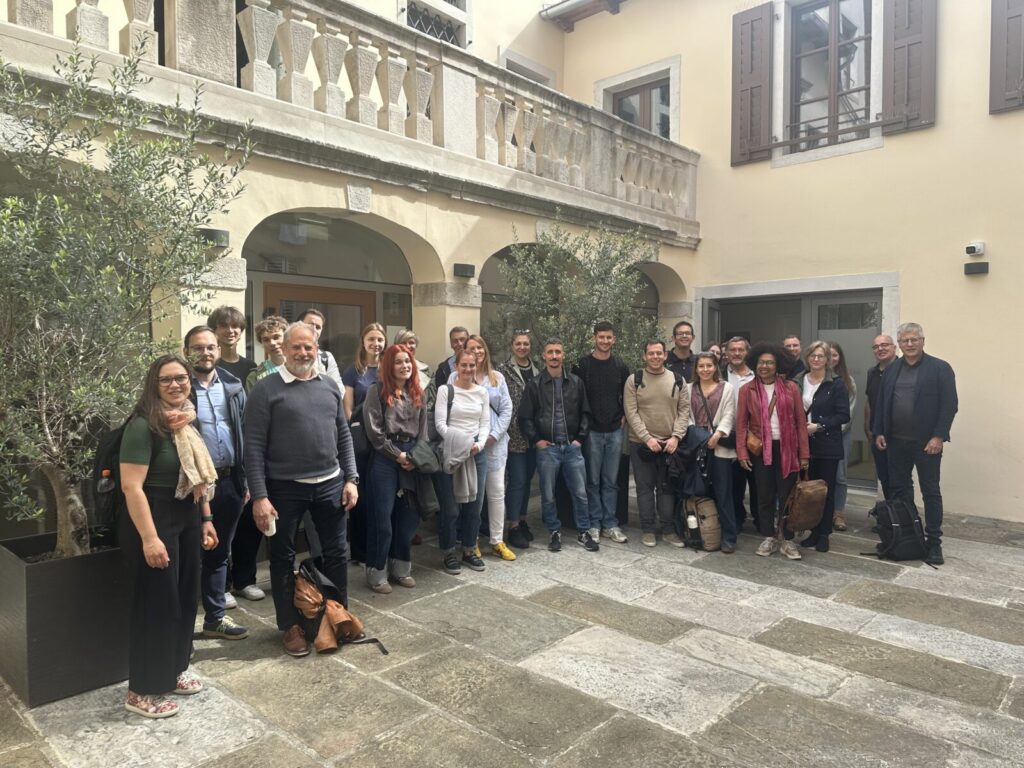
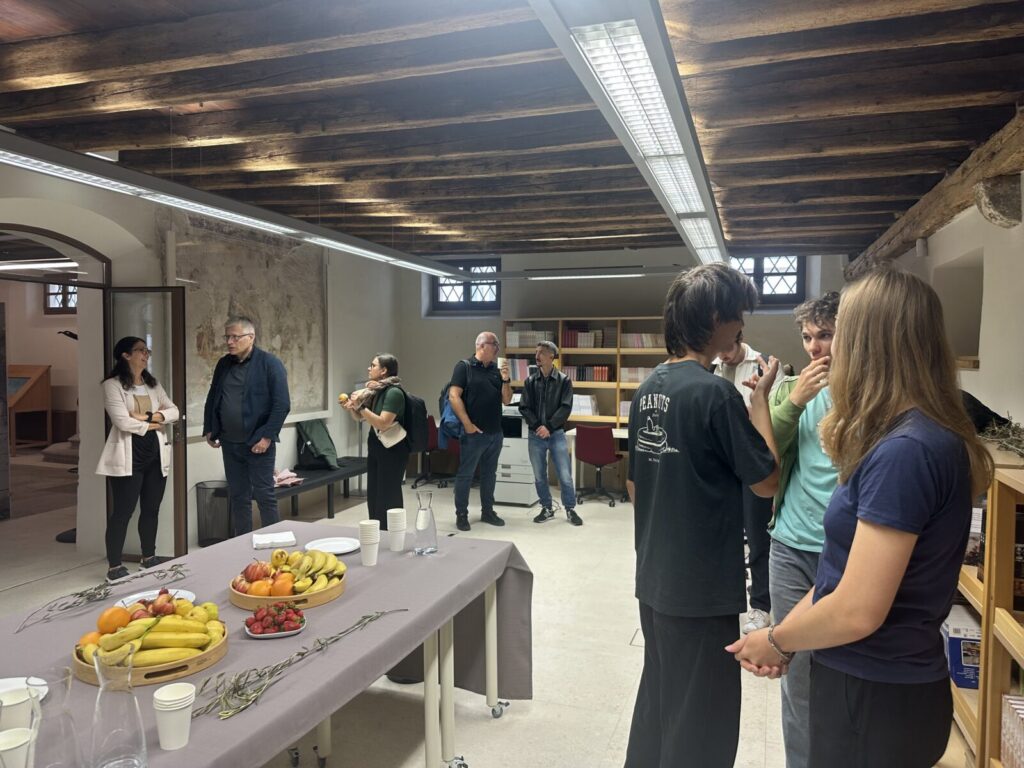
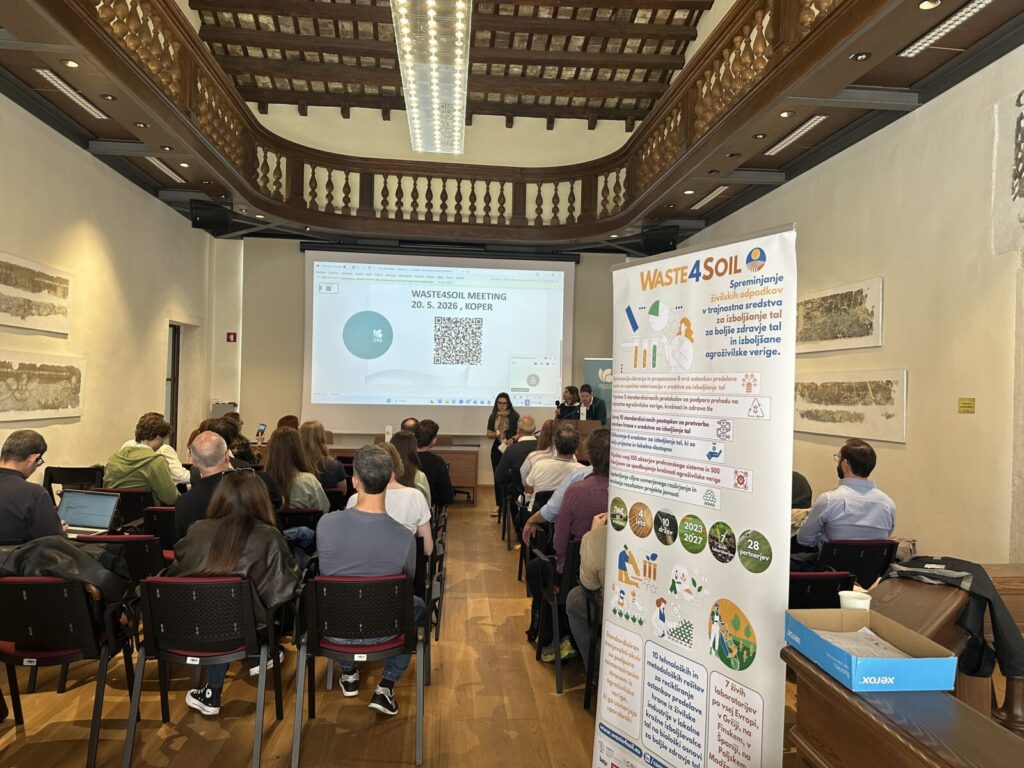
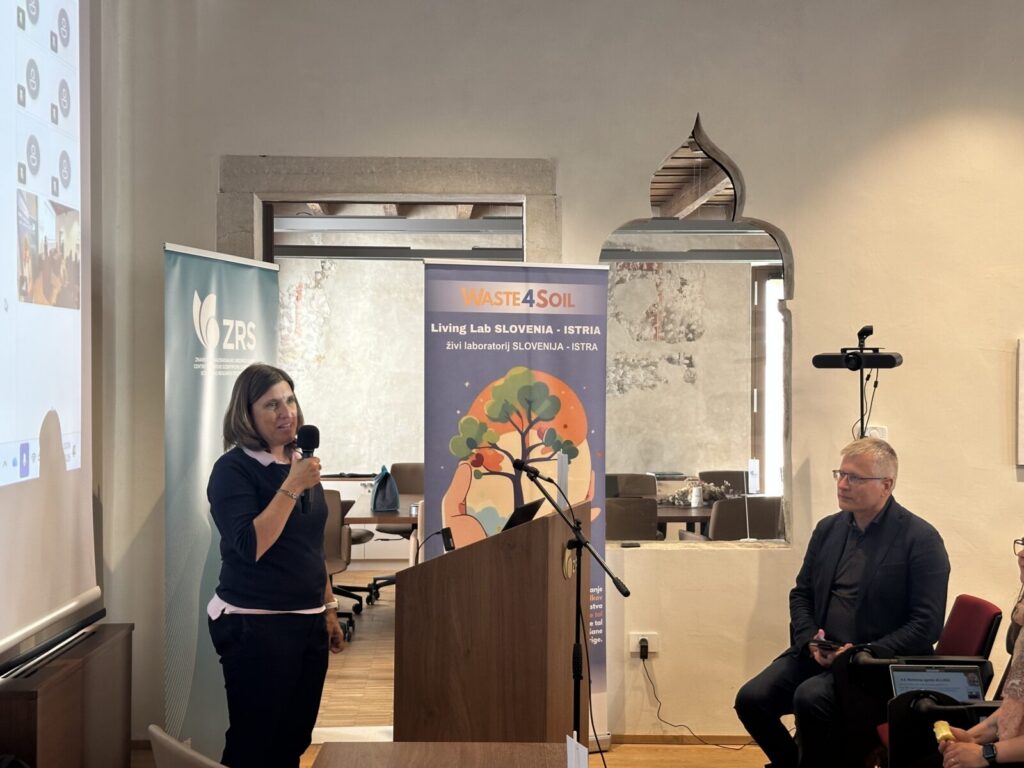
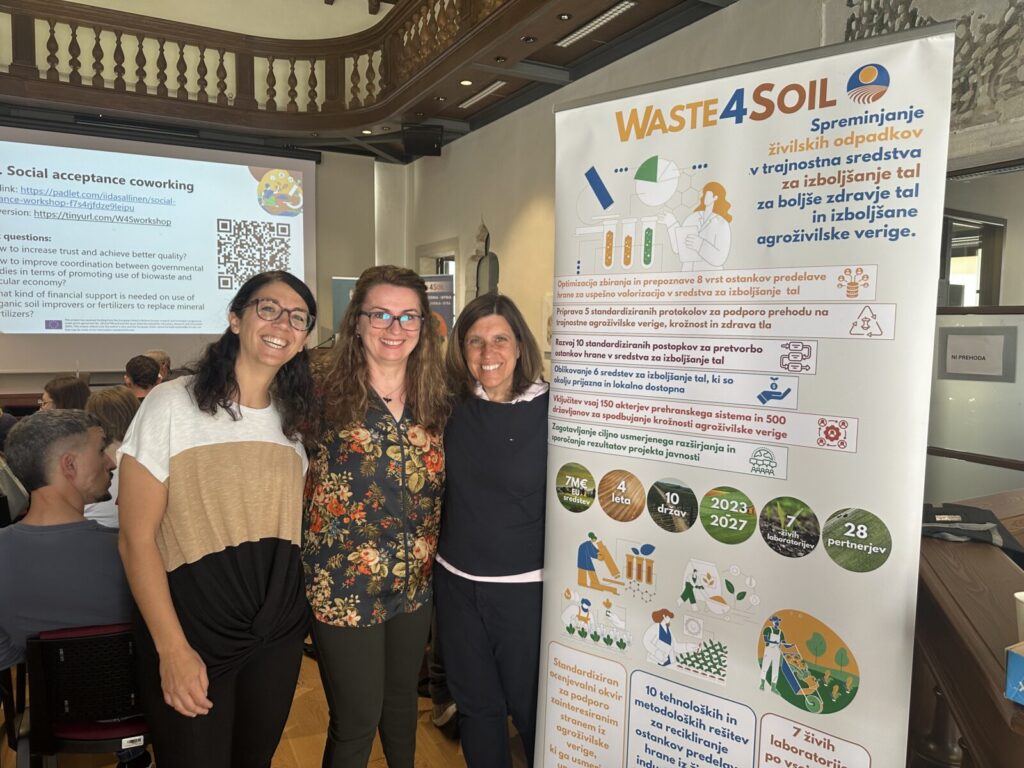
The meeting programme included an expert workshop on the social acceptance of circular solutions in agriculture. The workshop, held at the Centre for Humanities of ZRS Koper, focused primarily on discussions about involving users, local communities, and other stakeholders in the development of sustainable practices, as well as presenting the social aspects of introducing circular solutions into agri-food value chains. Project partners also visited the composting facility at the Port of Koper and explored innovative waste management practices at Vinakoper.
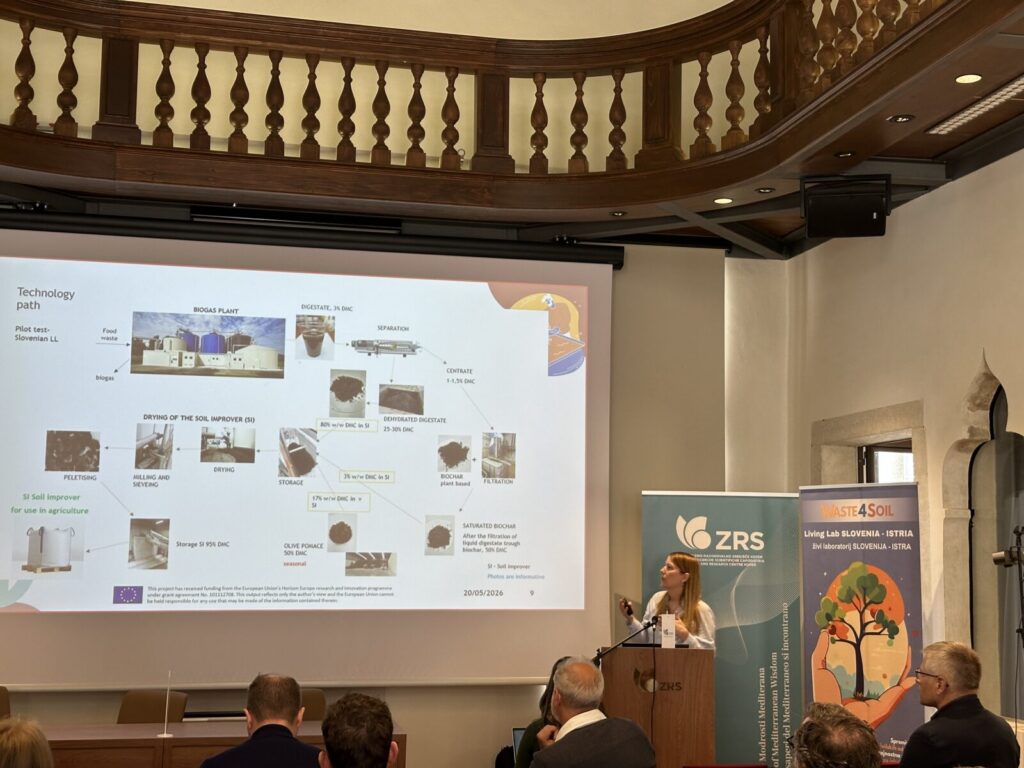
Among other activities, the Waste4Soil project includes the establishment of seven “living labs” across Europe. In this context, ZRS Koper, together with the Biotechnical Faculty of the University of Ljubljana and the company Koto, participates in the “Living Lab Istria,” where they are developing food waste management solutions in an olive grove of indigenous olive varieties at the ZRS Koper Institute of Olive Growing in Marezige. The partners are currently developing a soil improver made from processed organic residues (digestate), biochar, and olive pomace, with the first research results proving highly promising.
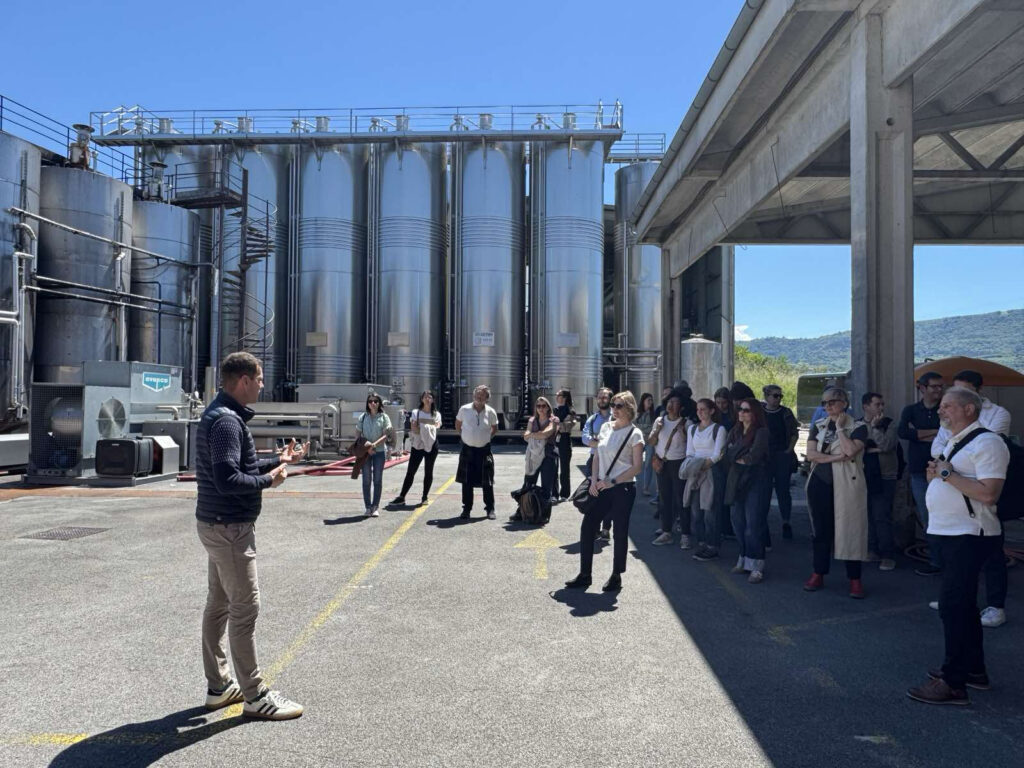
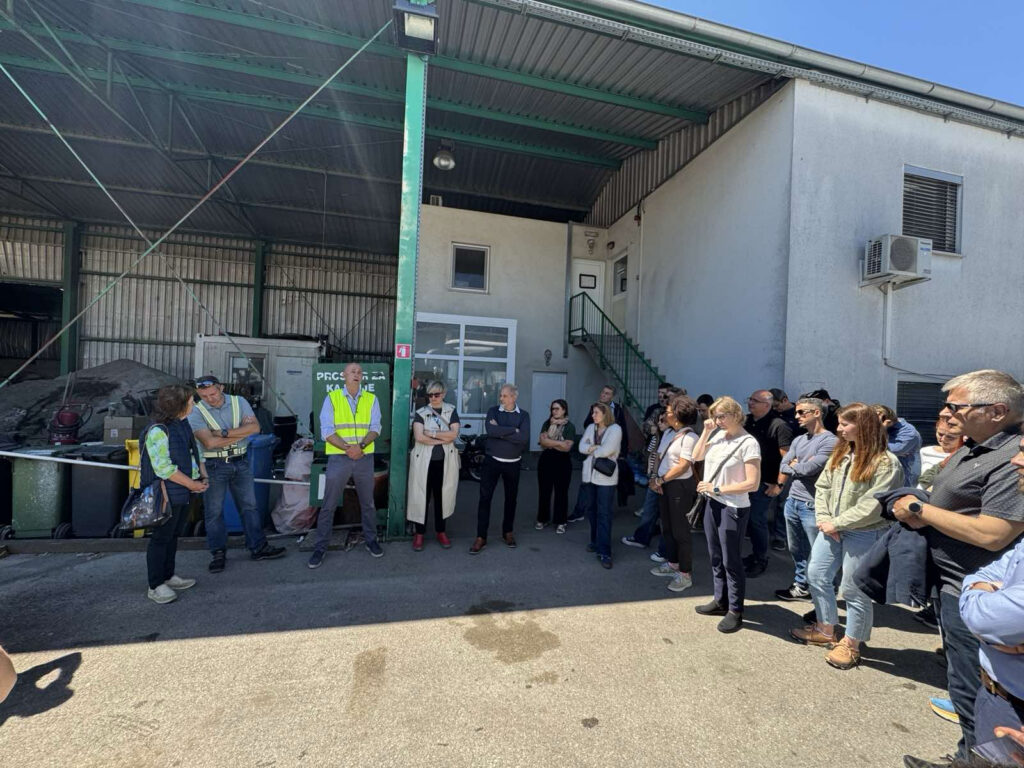
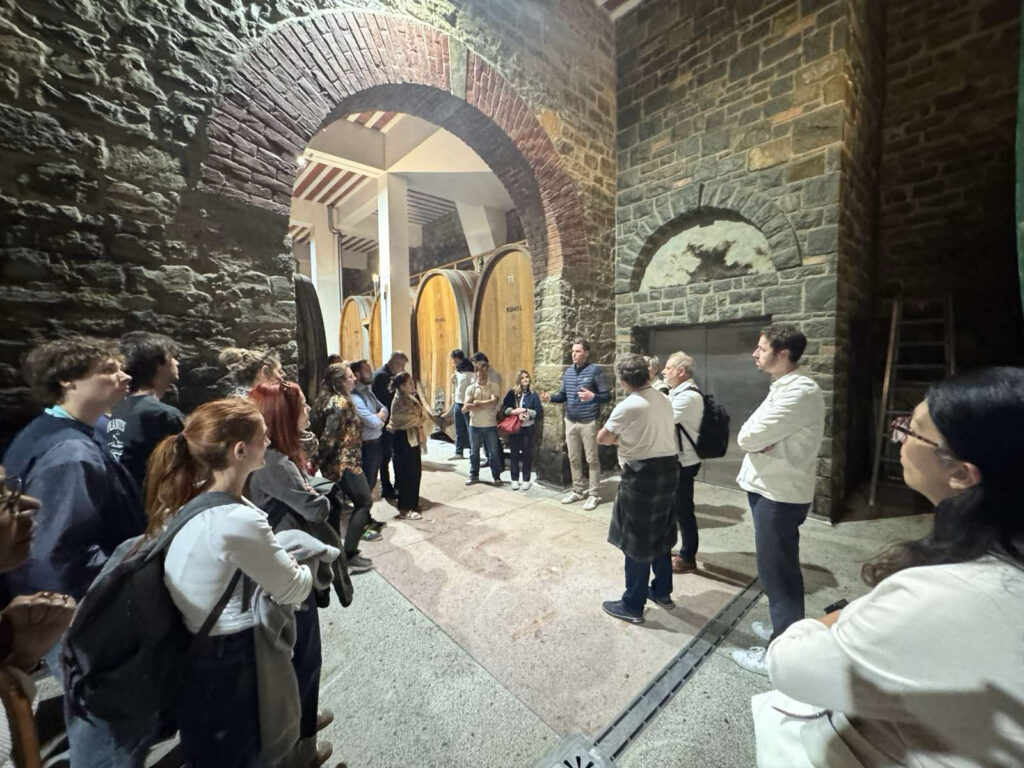
The Waste4Soil project runs from 2023 to 2027, with a total budget of approximately €7 million in European funding. The project involves 28 partners from ten countries, including Slovenian research and expert organisations contributing knowledge in the fields of sustainable soil management, circular economy, and agri-food systems.
The Waste4Soil project (HORIZON-MISS-2022-SOIL-01-02, project no. 101112708) is funded by the European Union. The views and opinions expressed are those of the authors only and do not necessarily reflect those of the European Union or the European Research Executive Agency (REA). Neither the European Union nor the REA can be held responsible for them.