 en
en Slovenščina
 Italiano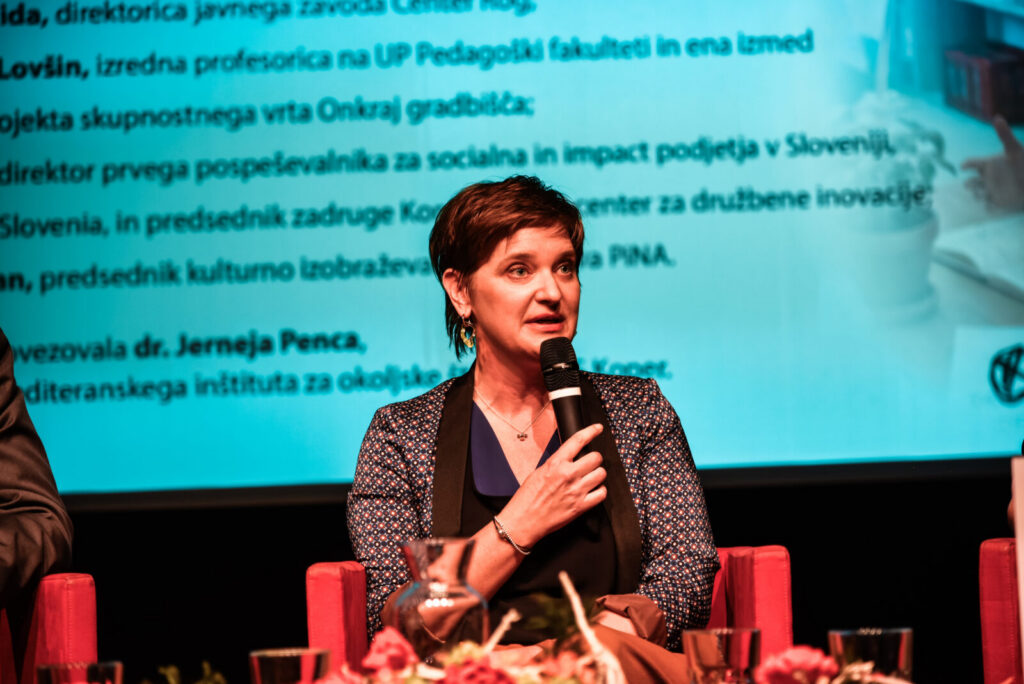
The Science and Research Centre (ZRS) Koper organised yesterday, 9 April 2026, in cooperation with the Koper Theatre, the second spring event of the SPOZNAJ – Relaxed Conversations on Science series.
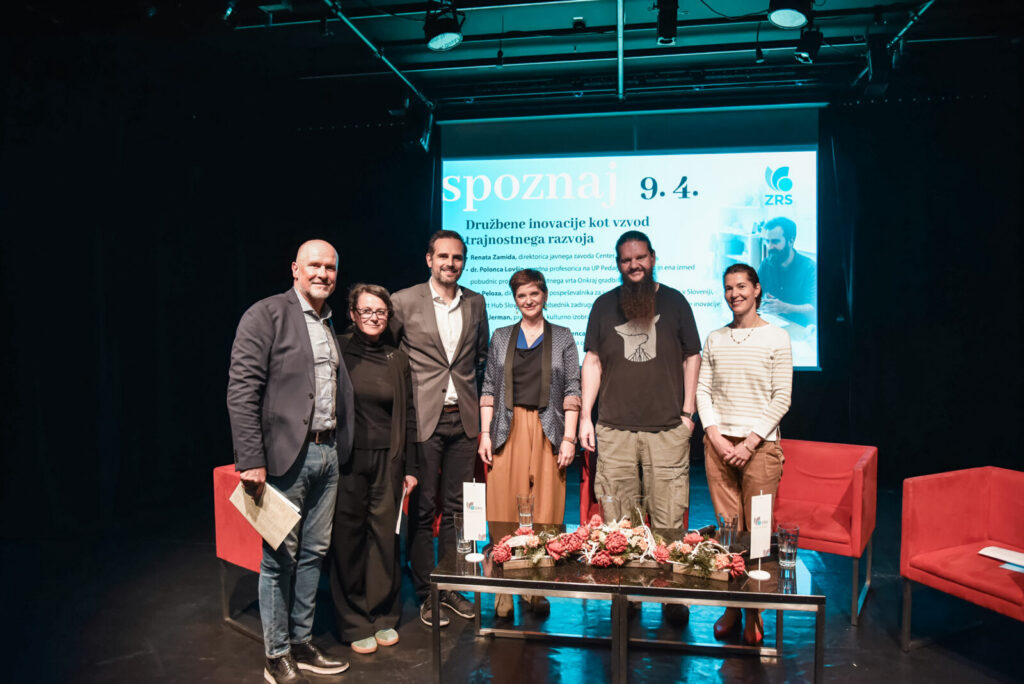
The title of this discussion, moderated by Dr. Jerneja Penca, was “Social innovations as a driver of sustainable development.”
The participants were:
- Renata Zamida, Director of the public institution Center Rog,
- Dr. Polonca Lovšin, artist and architect, Associate Professor at the Faculty of Education of the University of Primorska and one of the initiators of the community garden project Onkraj gradbišča,
- Jan Peloza, Director of the first accelerator for social and impact enterprises in Slovenia, Impact Hub Slovenia, and President of the cooperative Competence Centre for Social Innovation,
- Borut Jerman, President of the cultural and educational association PiNA.
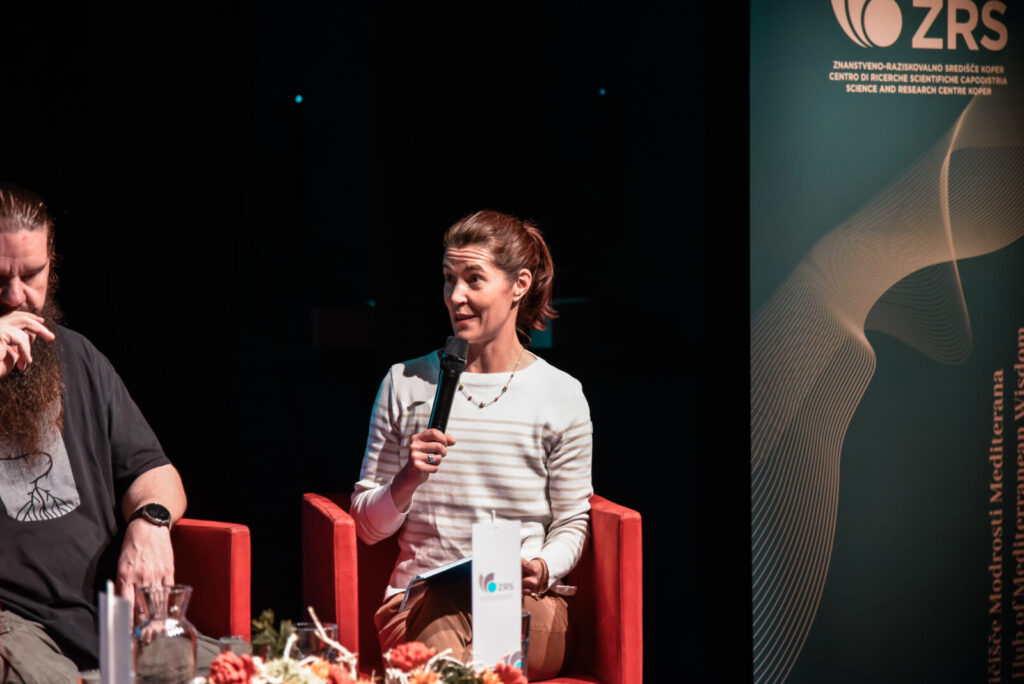
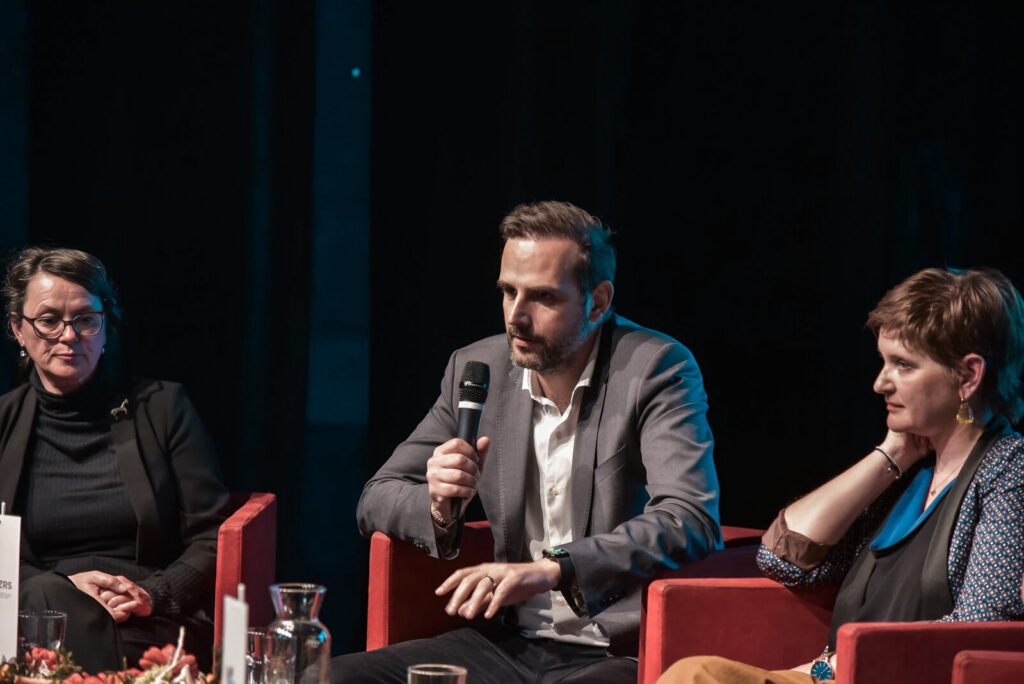
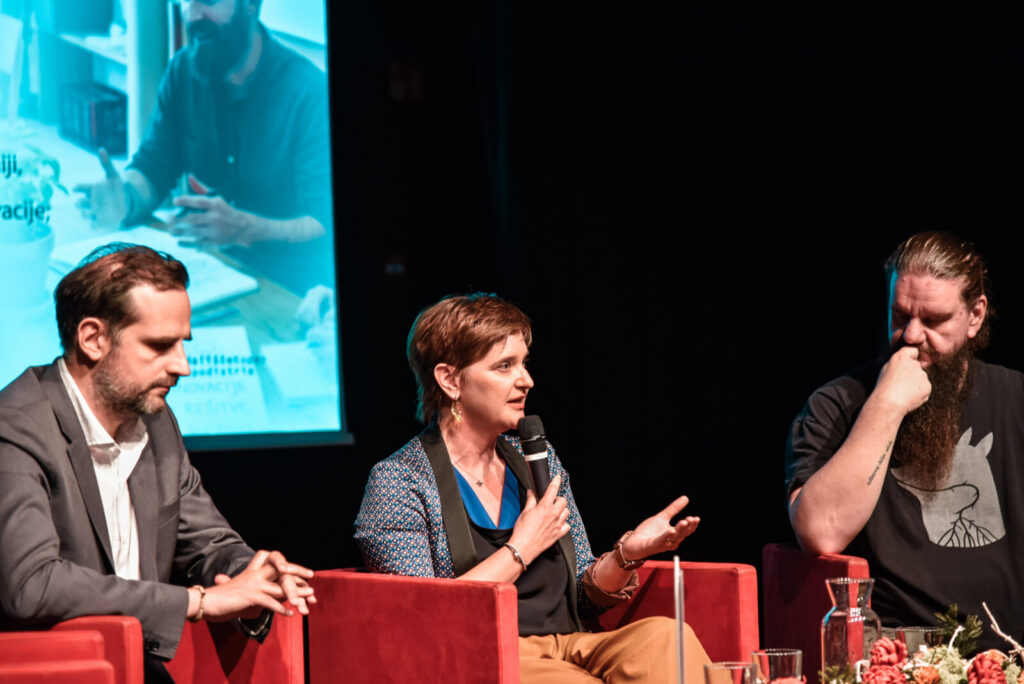
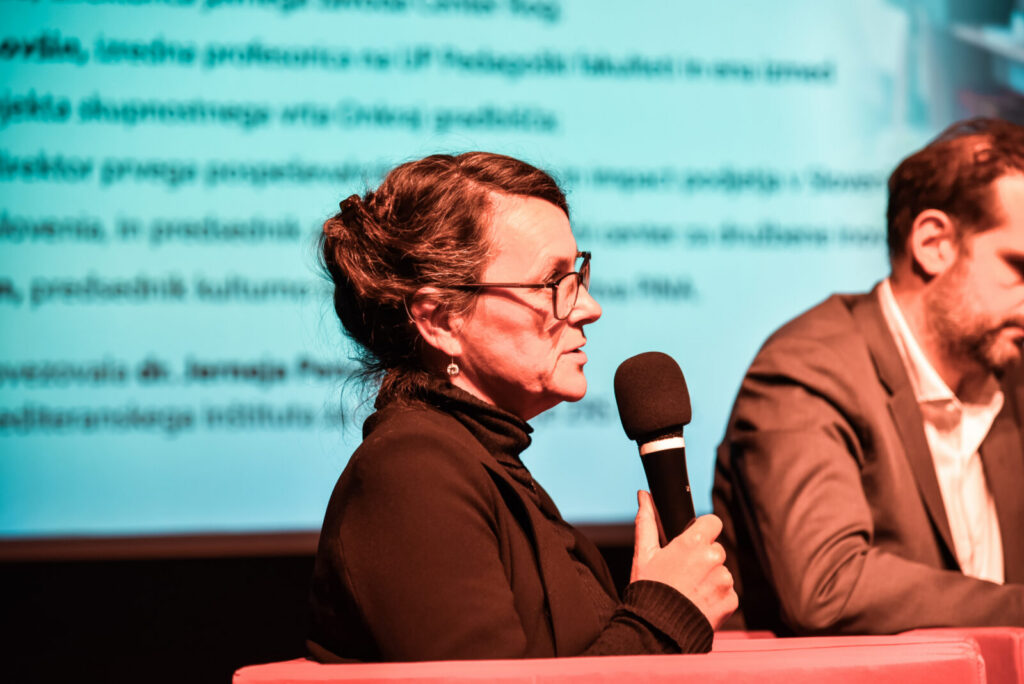
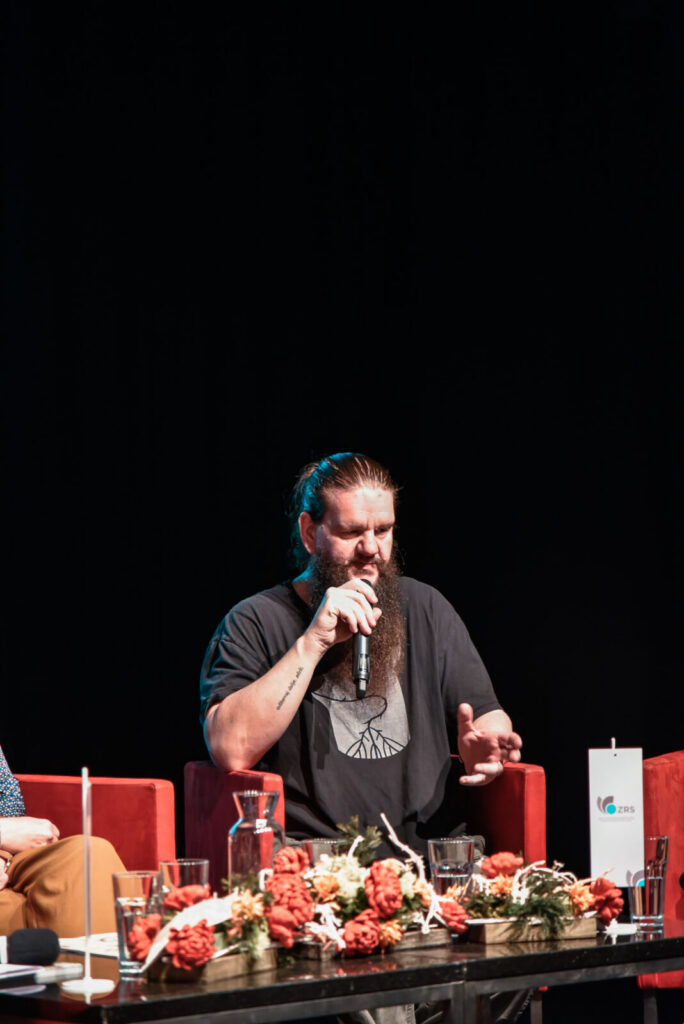
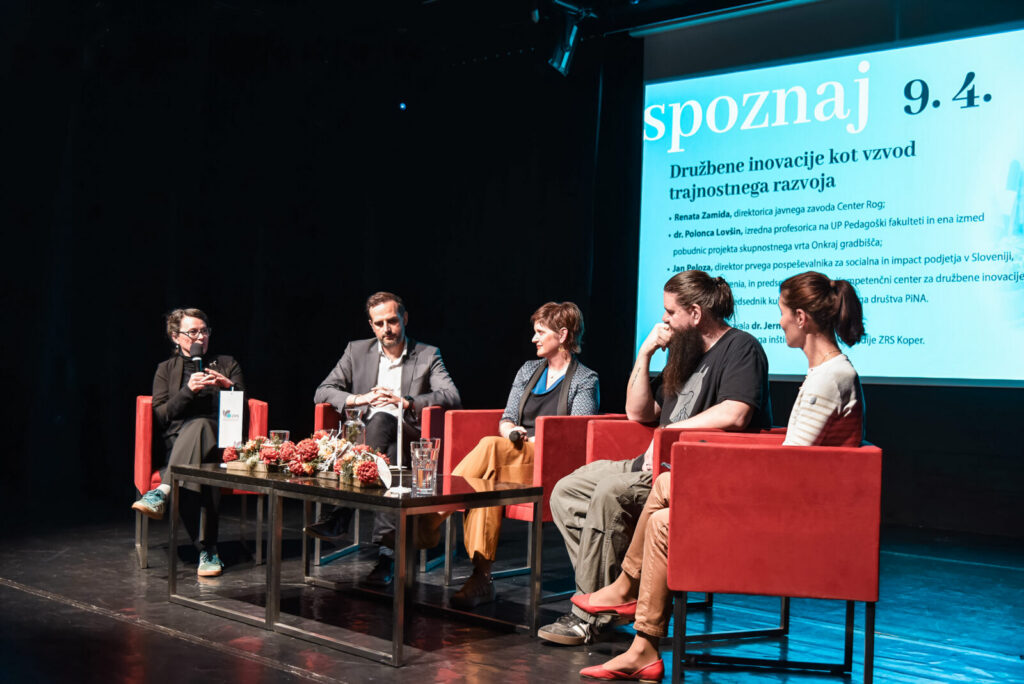
As explained in the introduction by Dr. Jerneja Penca, Head of the Mediterranean Institute for Environmental Studies (MIOS), social innovations often emerge at the intersection of science, community and creativity. This is also the direction of the institute she leads. MIOS is currently coordinating two international projects addressing the EU mission “Restore our Oceans and Waters.” Among them is the RISTANC project, which focuses on solutions in the form of social innovations in order to connect local actions with European networks for maximum impact. She invited the speakers to discuss various aspects of social innovation, each contributing from their own experience with specific initiatives.
Dr. Polonca Lovšin referred to the Onkraj gradbišča project, of which she was one of the initiators. The project revitalised, for 12 years, a long-abandoned construction site on Resljeva Street in Ljubljana by creating a community space dedicated to gardens, socialising, education and culture. According to her, it was an exceptional experience carried out in agreement with the Municipality of Ljubljana, the landowner, and involved not only the initiators but also local residents. The project concluded four years ago, when the municipality began building non-profit housing in the area.
Jan Peloza highlighted the importance of social innovations aimed at achieving long-term positive social and environmental impact, and emphasised the role of social entrepreneurship. As an example of a globally recognised social innovation, he mentioned the Ocean Cleanup project, which works to remove plastic waste from the oceans. He also noted that the European Union has committed to establishing a green economy by 2050 and aligning all sectors with climate goals. “Capitalism will have to start solving the problems it creates,” he stated.
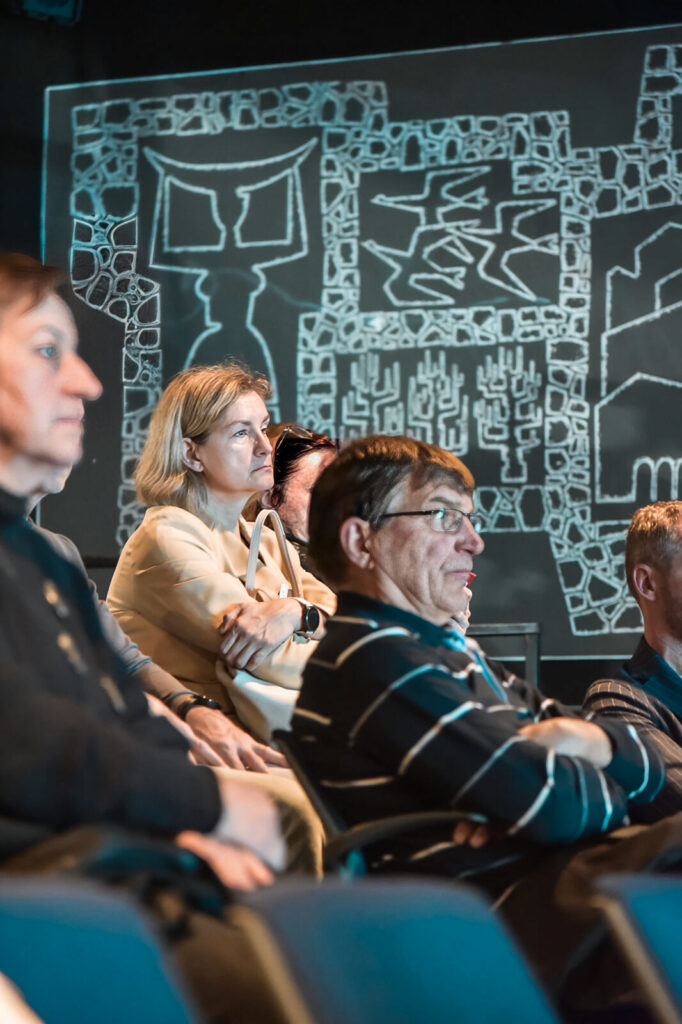
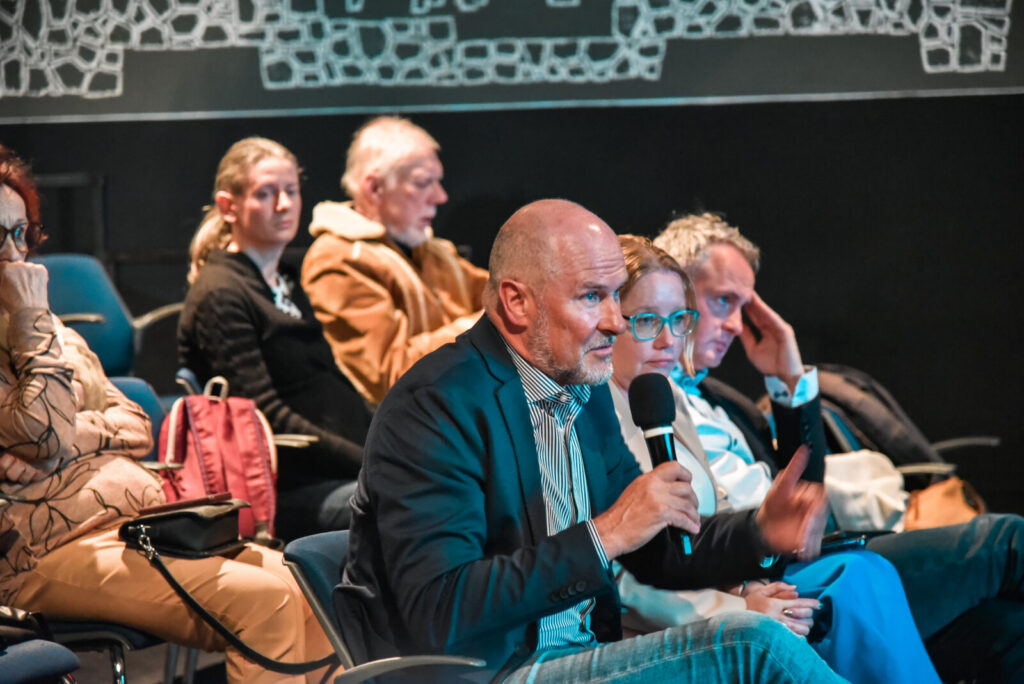
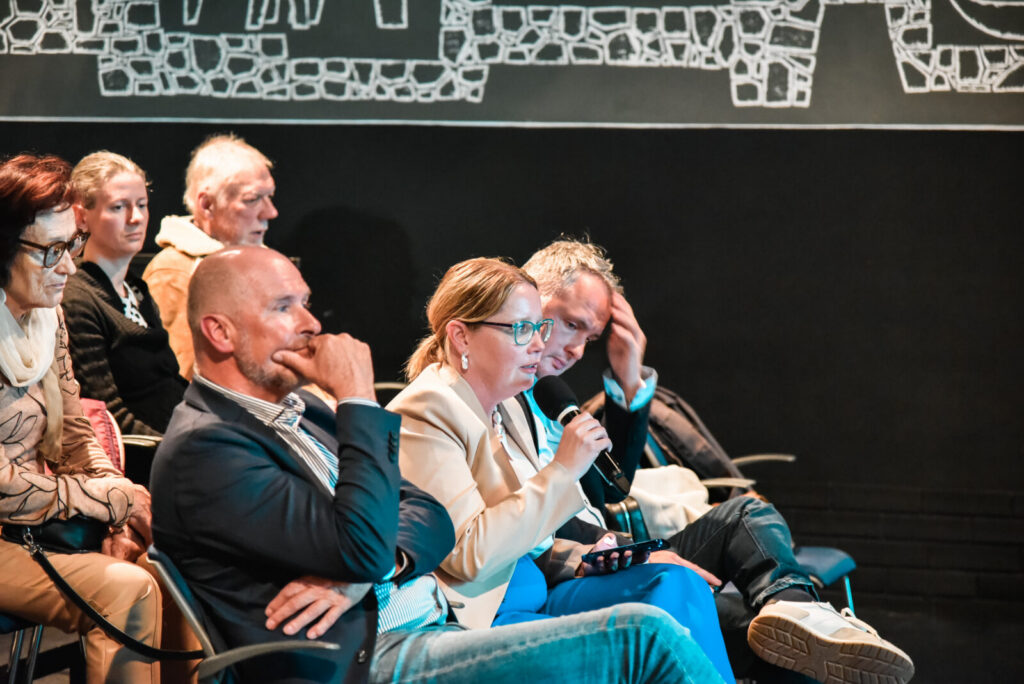
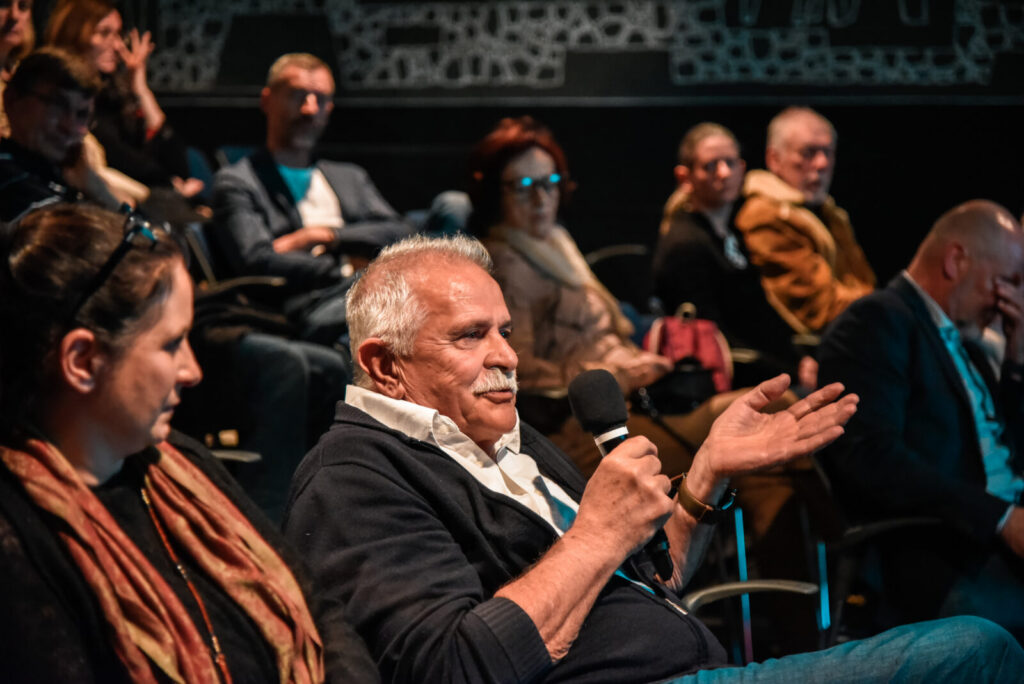
Renata Zamida leads Center Rog, a “modern maker space” located in the former tannery and Rog bicycle factory building in Ljubljana. Within this large building in the city centre, nine production labs operate, enabling learning and the use of both traditional and modern technologies. “Professional designers and creative enthusiasts meet here; tradition and innovation intertwine, which is very valuable,” she noted. The centre’s mission is also reflected in supporting young people, providing access to equipment, fostering intergenerational collaboration, and preserving disappearing crafts (for example, cooperation with Zlatarna Celje in maintaining goldsmithing skills).
Borut Jerman, President of the PiNA association, highlighted as a social innovation a project in which creators collaborated with the Piran Aquarium and the Port of Koper. They studied oyster populations and their response to pollution, presenting these processes through simulation to raise public awareness about environmental issues. According to him, PiNA is increasingly addressing the relationship between technology and its social dimensions, going beyond the perception of technology as separate from social innovation.
The participants also discussed the importance of human, technological and spatial infrastructure for social innovation, the acceptance of failure in innovation processes, and assessed the state of social innovation in Slovenia and Istria. They agreed that science plays a key role in ensuring credibility and measurability, while art is becoming increasingly important as it enables thinking beyond conventional frameworks. For an idea to become a breakthrough and establish itself as a social innovation, it is crucial that it is put into practice and provides systemic solutions rather than one-off actions.