 en
en Slovenščina
 Italiano
Adriatic Laboratory for Digital Humanities and Heritage Innovation
ALDHI is the laboratory for the digitization, analysis and interpretation of documentary heritage at ZRS Koper.
It was officially established on 26 January 2026 as a research, innovation and training infrastructure in the field of Digital Humanities.
The laboratory is conceived as an advanced operational platform and is developing into a European scientific centre dedicated to the study of the documentary memory of the Adriatic and the wider Mediterranean region.
From Document to Knowledge
ALDHI works across the entire lifecycle of historical documents:
from the manuscript to the analysis of its content.
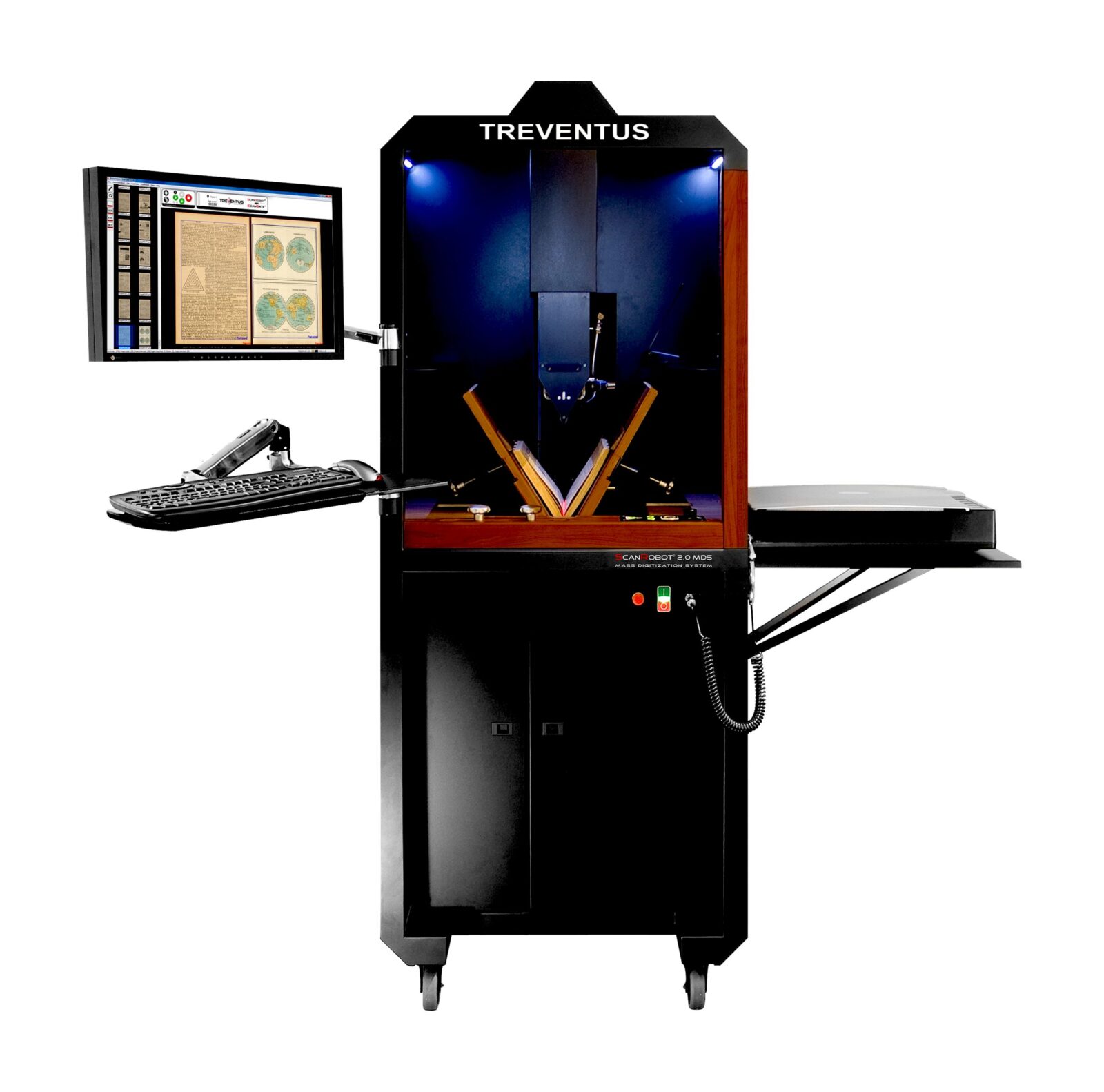
Robotic digitization
The laboratory uses professional robotic scanning systems capable of digitizing thousands of pages per hour while ensuring the highest level of protection for original materials.
Each phase of the process is designed to guarantee extremely controlled handling of manuscripts and volumes, with rigorous attention to their preservation, stability and physical integrity.
Manuscripts, registers, books and archival collections are transformed into high-quality digital copies, preserving the originals while making their contents accessible.
From Image to Text
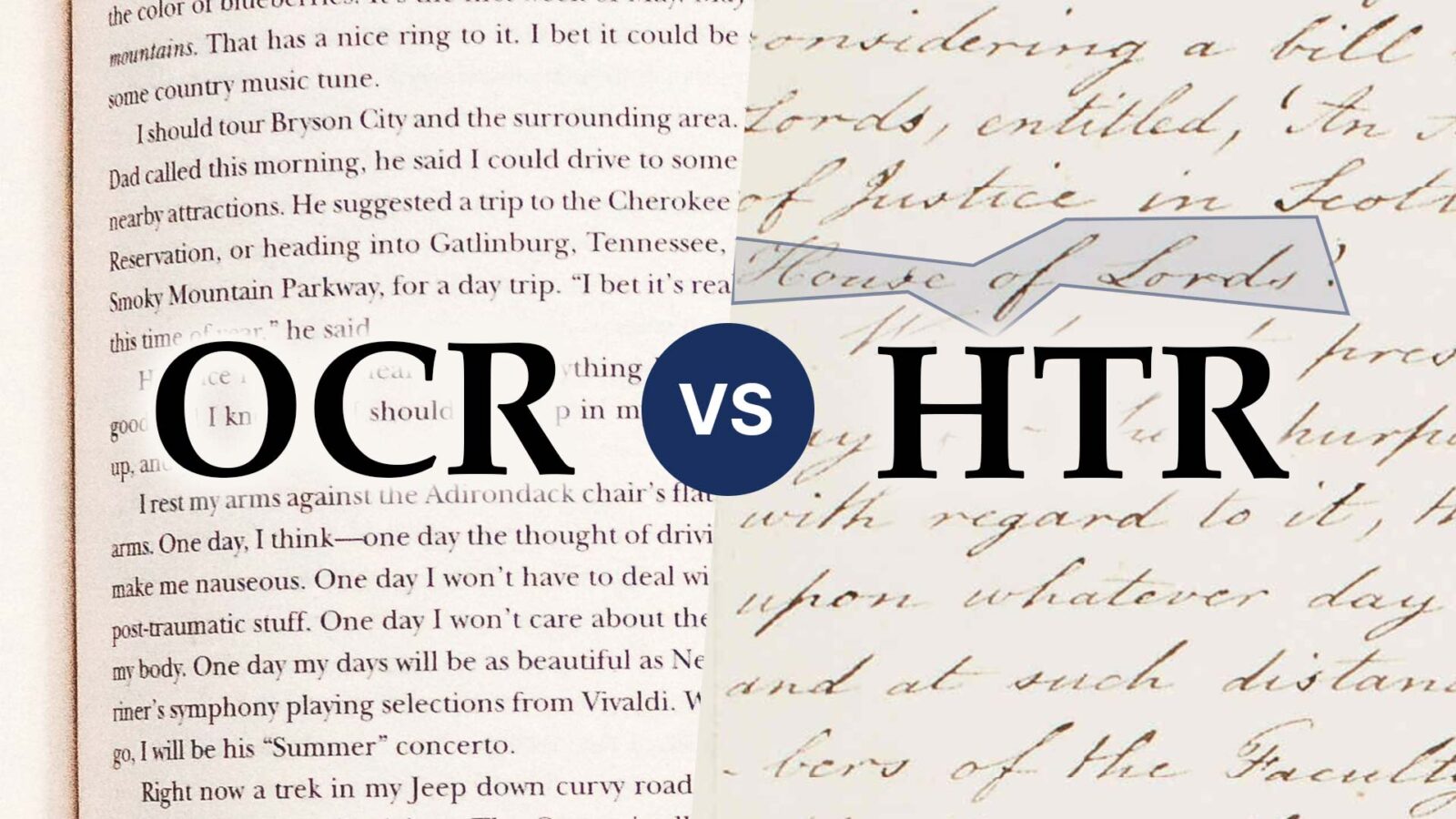
Digital images are transformed into text through:
- OCR for printed sources
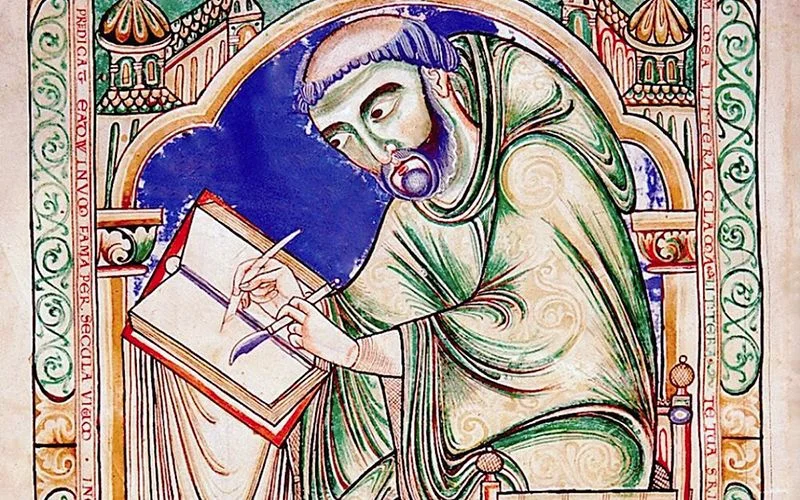
- HTR for manuscripts
- advanced language models
Even complex and multilingual documents become readable and searchable texts.
From Text to Analysis
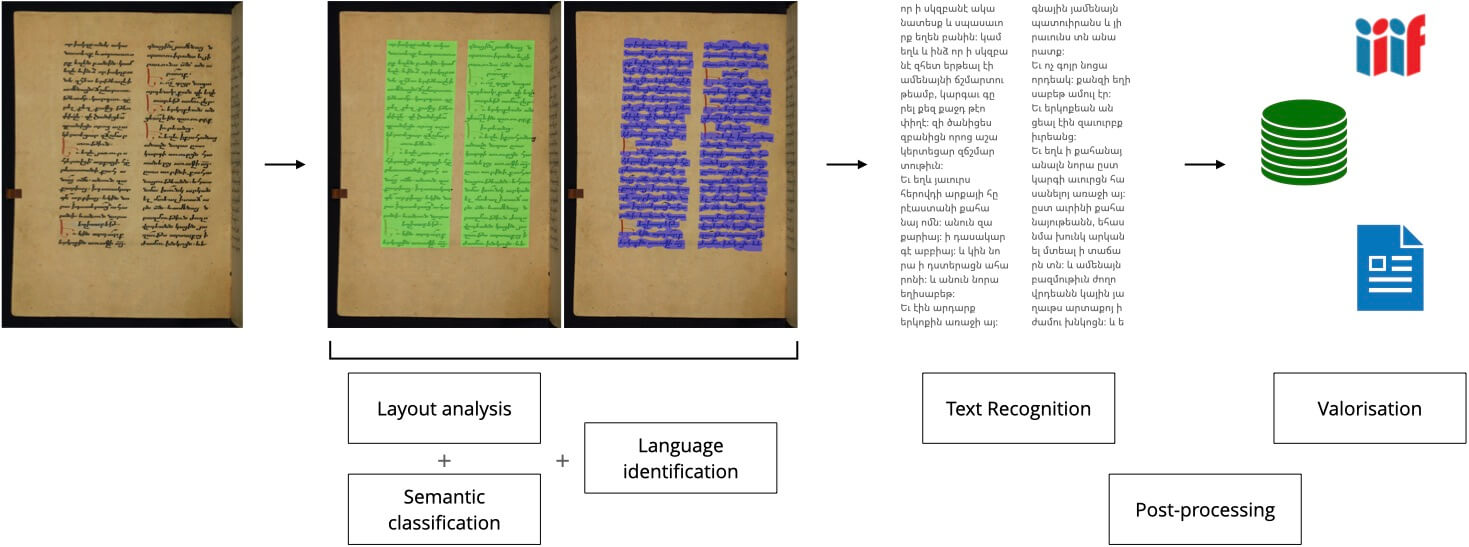
Once transcribed, documents are processed through advanced AI models that allow rapid extraction and organization of the information contained in the texts.
This phase transforms transcription into a structured dataset ready for historical analysis.
Artificial intelligence does not replace the work of the researcher.
It prepares and makes data accessible, reduces the time required for repetitive tasks and gives scholars more time for interpretation, comparison of sources and critical analysis.
Scientific responsibility and conclusions always remain human.
The document thus becomes a source that can be systematically queried and compared.
Digital Recomposition of Archives
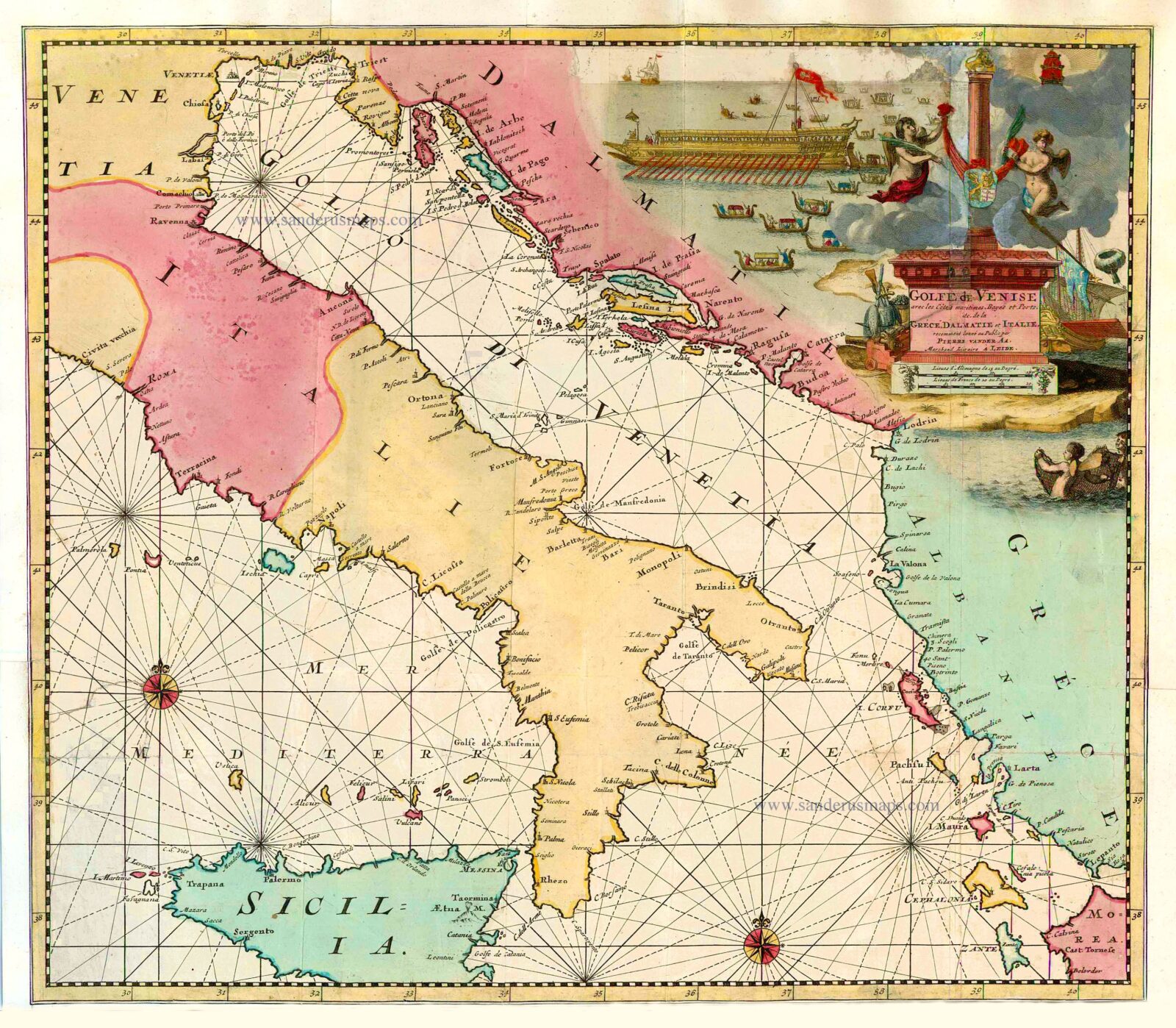
Many archives of the Adriatic region are today fragmented across states, cities and institutions.
ALDHI develops a methodology of unified digital recomposition.
The laboratory:
- connects dispersed archives
- reconstructs documentary corpora
- makes separated fonds consultable together
- creates shared digital ecosystems
Recomposition takes place in full respect of the institutions that preserve the original materials and of the communities to which they belong.
A Multilingual Laboratory
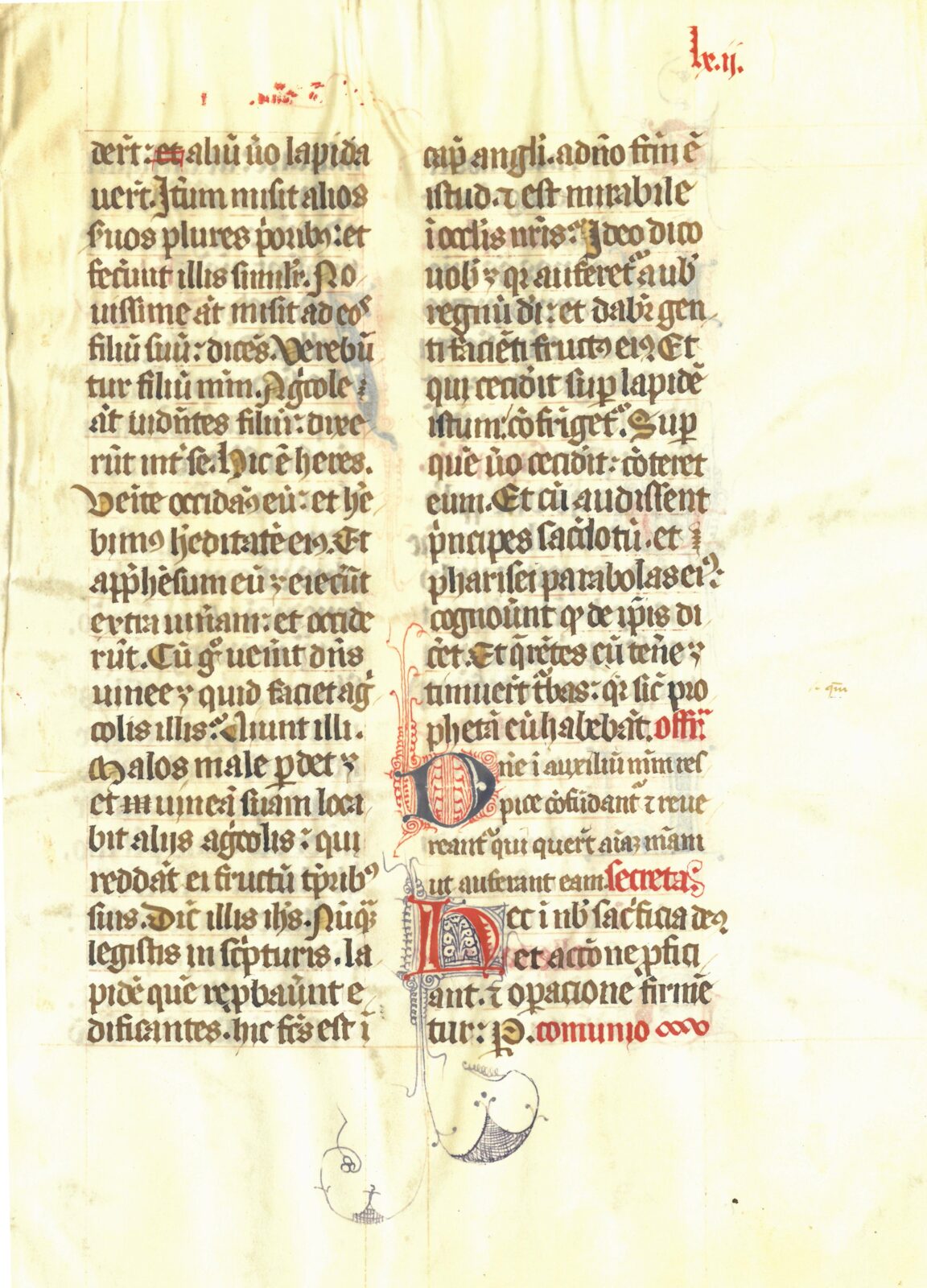
The documents analyzed by the laboratory are written in numerous languages and scripts: Latin, Italian, Slovene, Croatian, Venetian, German, Greek, Turkish, Armenian, Hebrew and other languages historically present in the Adriatic and Mediterranean area.
Civil, ecclesiastical and mercantile archives preserve texts produced in multilingual environments, often distributed across different countries and institutions.
ALDHI develops tools and methodologies that allow these materials to be studied in an integrated way.
Language models applied to transcribed texts make it possible to:
- read and query multilingual archives
- connect information across documents in different languages
- build comparable datasets
- carry out research without linguistic barriers
For the first time, documentary corpora produced in different languages but belonging to the same historical space can be analyzed in a unified way.
Language is not standardized or simplified:
it is respected in its original form while becoming searchable and connectable.
Linguistic plurality thus becomes a research tool rather than an operational limitation.
An Interdisciplinary Laboratory
ALDHI brings together expertise from different fields:
- history
- linguistics
- computer science
- archival science
- data science
- philosophy
- theology
Technology is a tool.
Human interpretation remains central.
Ethics as a Foundation of the Laboratory
The use of digital technologies and artificial intelligence in cultural heritage is not only a technical matter.
It is also an epistemological, cultural and social one.
ALDHI integrates into its work an ethical reflection developed in collaboration with philosophers and theologians.
Research on historical documents is understood as an interpretative and normative act that contributes to the construction of collective memory.
The laboratory develops an ethical framework based on four principles:
Responsible access
Expanding access to data and digitized heritage for researchers, students and the public.
Transparency of processes
Documenting criteria for selection, digitization and analysis to ensure verifiability and reproducibility.
Protection of communities and data
Respecting legal frameworks, cultural sensitivities and linguistic and religious identities.
Responsible use of artificial intelligence
Avoiding automated interpretation, maintaining human oversight and developing critical methodologies.
Ethics is not a separate section of the laboratory:
it is a structural component of its method.
Training and Summer School
ALDHI organizes educational activities for students, researchers and institutions:
- international summer schools
- workshops on digitization and AI
- hands-on work with archival materials
- interdisciplinary training
Training is an integral part of the laboratory infrastructure.
Publications and Outputs
The laboratory develops:
- working papers
- digital datasets
- documentary editions
- research reports
- digital series
- ALDHI Papers
Publications document methods, projects and research results.
A European Research Infrastructure
ALDHI operates as an infrastructure for digitization and document analysis and aims to become a European scientific reference centre for the digital study of documentary heritage.
It collaborates with:
- archives
- libraries
- universities
- religious institutions
- research centres
- local communities
Mission
To digitize, transcribe and analyze documents.
To reconnect dispersed archives.
To link languages, places and communities.
To develop critical methodologies for the use of artificial intelligence.
To integrate research, technology and ethics.
To build an accessible, shared and responsibly interpreted documentary memory of the Adriatic.