 en
en Slovenščina
 Italiano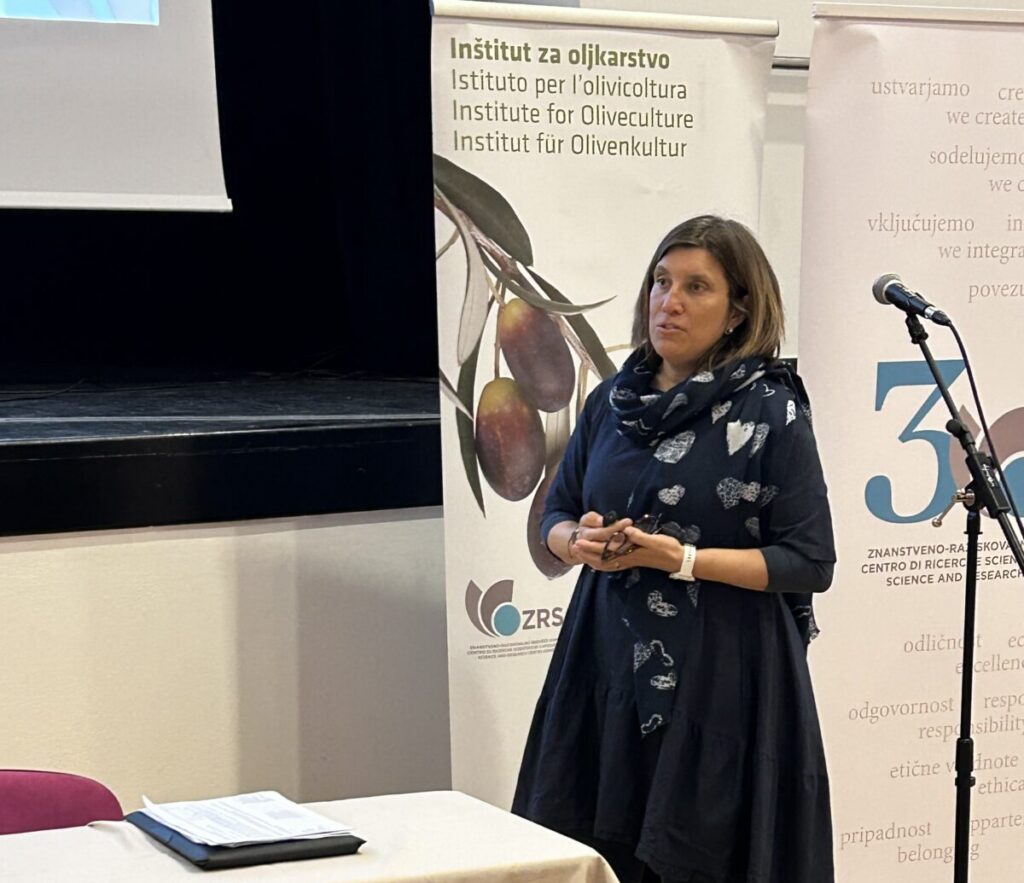
A meeting to establish a Programme Council for oliveculture was held yesterday in Škofije, marking an important step toward the development of the oliveculture sector in Slovenia. The initiative stems from a broader dialogue with stakeholders, initiated on World Olive Day in November 2025 in Marezige. At a public forum organized by the Science and Research Centre Koper (ZRS Koper), the Municipality of Koper, and the Institute for Youth, Culture and Tourism Koper, participants highlighted the need for a long-term, coordinated, and systematic development of the sector.
It has long been emphasized that the sector requires stronger connections between producers, experts, research institutions, and the state, as well as clearer institutional support. In particular, the need for a permanent expert body was identified—one that would enable coordination of interests, the formulation of development strategies, and a more effective response to challenges such as the ageing structure of oliveculture, economic sustainability, and the introduction of new technologies. The establishment of the Programme Council thus represents a concrete response to these needs and a significant step toward a more coordinated and development-oriented oliveculture sector.
The meeting was attended by representatives of the Institute for Oliveculture and the leadership of ZRS Koper, the Ministry of Agriculture, Forestry and Food, the Regional Development Centre Koper, the Rotunda Centre Koper, the Biotechnical Faculty of the University of Ljubljana, the Municipality of Koper, the School Centre Nova Gorica, the Biotechnical School Šempeter pri Gorici, as well as several olivecultures’ associations and other stakeholders.
The event opened with a general presentation of ZRS Koper by its Director, Prof. Dr Rado Pišot. This was followed by presentations from Dr Maja Podgornik, Head of the Institute of Oliveculture, and Dr Saša Volk, Head of the associated laboratory, who outlined the institute’s key activities. They emphasized the importance of maintaining accreditations to ensure the quality and authenticity of olive oil, while also developing agronomic and technological approaches to address the impacts of climate change. They noted strong engagement with stakeholders, reflected in numerous initiatives coming directly from the field.
Participants agreed that the Programme Council will consist of 11 members: four representatives from SRC Koper, one representative of municipalities, three representatives of oliveculture (from Istria, Karst, the Vipava Valley, and Brda), one representative from the research/academic or educational sphere, one representative from the Ministry of Agriculture, Forestry and Food (MKGP), and one representative from Chamber of Agriculture and Forestry of Slovenia (KGZ).
The Programme Council will function as a central advisory and coordinating body, aimed at connecting stakeholders and guiding the sector’s development. Its key tasks include contributing to strategic planning, proposing research, development, and educational projects, and supporting the professional training of olive growers. It will also play an important role in linking producers, research institutions, and policymakers at both local and national levels. The Council will be chaired by Dr Maja Podgornik, Head of the Institute for Oliveculture at ZRS Koper. A key responsibility will be to provide expert recommendations for the implementation of Public Service programmes in oliveculture and to monitor their performance. It will also contribute to the preparation of applications for national and international projects.
Dr Metka Hudina from the Biotechnical Faculty of the University of Ljubljana highlighted that the proposed number of members ensures operational efficiency, particularly in urgent situations. Ministry representative Nika Gregorič stressed the importance of involving subject-matter experts in discussions, especially on specific issues such as inspections. Participants unanimously welcomed the initiative and expressed support for the continued development of the oliveculture sector. Mateja Kozlovič, Deputy Mayor of the Municipality of Koper, emphasized the importance of cooperation and welcomed the establishment of the council in a region where oliveculture plays a significant economic and cultural role. At the end of the meeting, participants also visited the future premises of the Institute for Oliveculture under construction in Plavje. It was highlighted that the new facilities will significantly improve research conditions, support professional development, and strengthen cooperation with stakeholders in the oliveculture sector.