en
en Slovenščina
 Italiano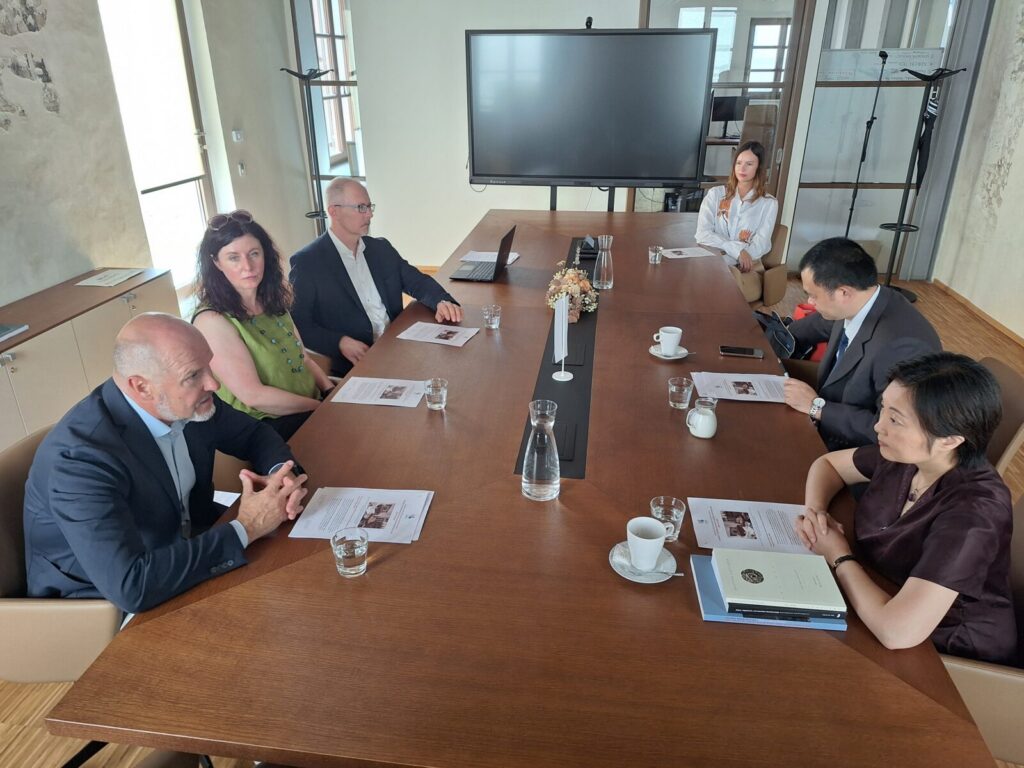
A visit by the Ambassador of the People’s Republic of China to the Republic of Slovenia, H.E. Kang Yan, took place at the Science and Research Centre Koper (ZRS Koper), with the aim of deepening scientific cooperation between Slovenia and China. The visit was followed by a round table on Slovenian-Chinese cooperation in science.
The visit began with a courtesy meeting with the Director of ZRS Koper, Prof. Dr. Rado Pišot, who presented the ambassador with the activities, research orientations and international engagement of ZRS Koper. The discussion also addressed opportunities for further strengthening cooperation between ZRS Koper and Chinese research institutions in areas of common interest. The meeting was also attended by Dr. Lenart Škof, Head of the Institute for Philosophical and Religious Studies at ZRS Koper, and Dr. Helena Motoh, Head of the Centre for Asian Studies at ZRS Koper.
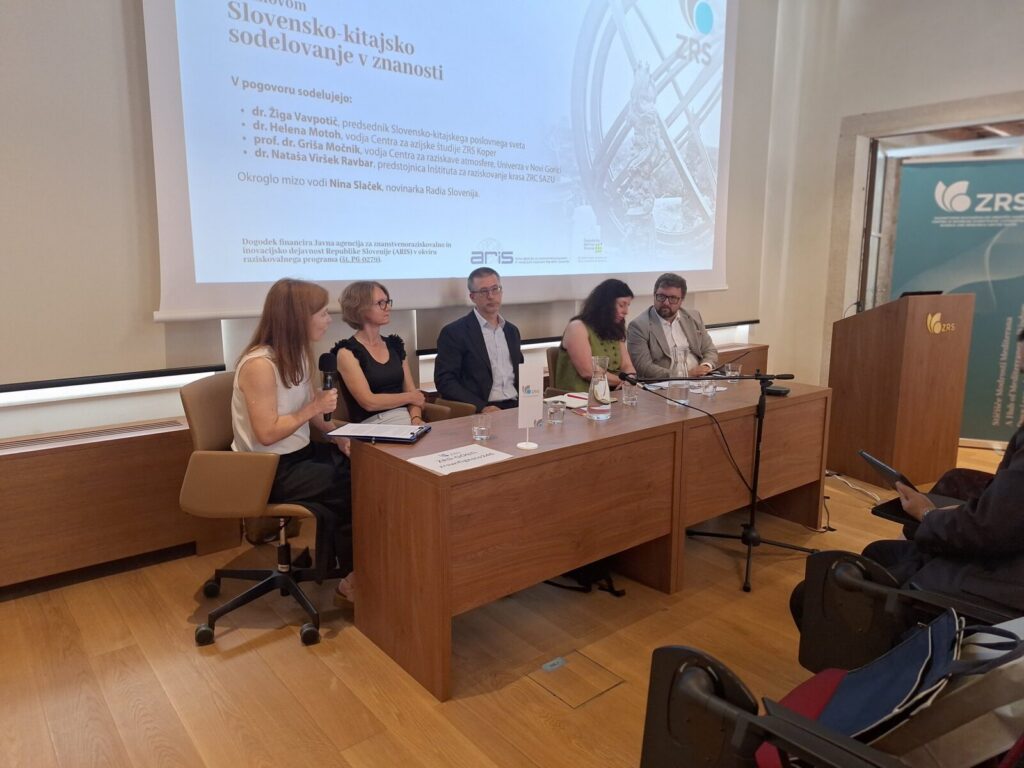
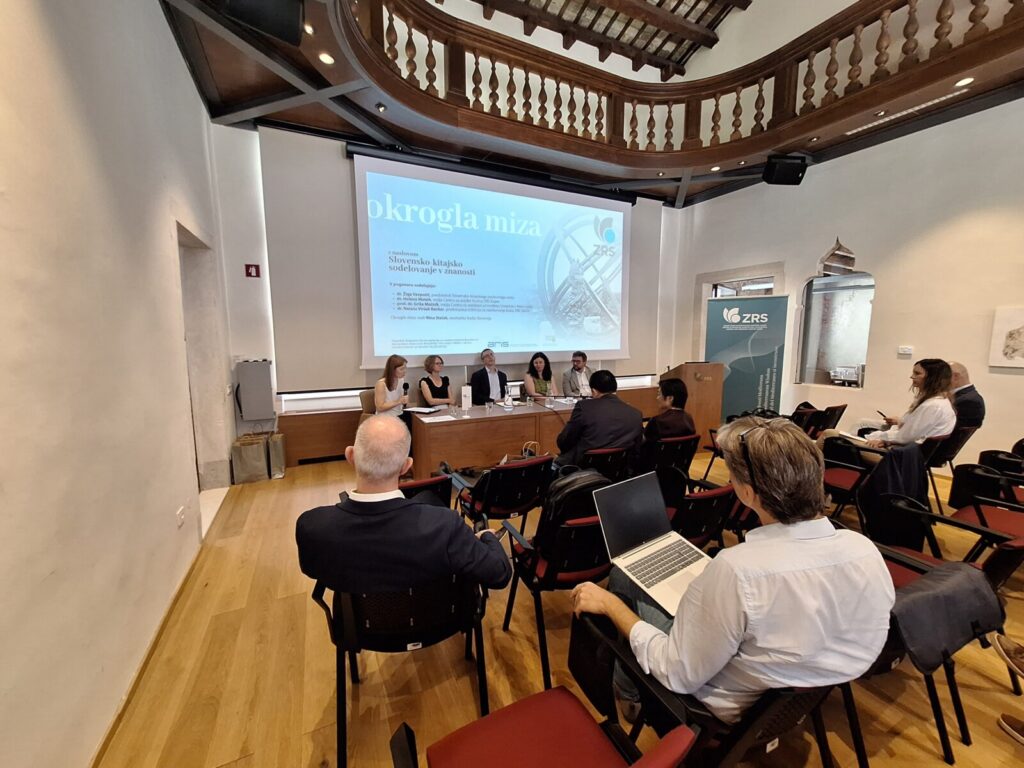
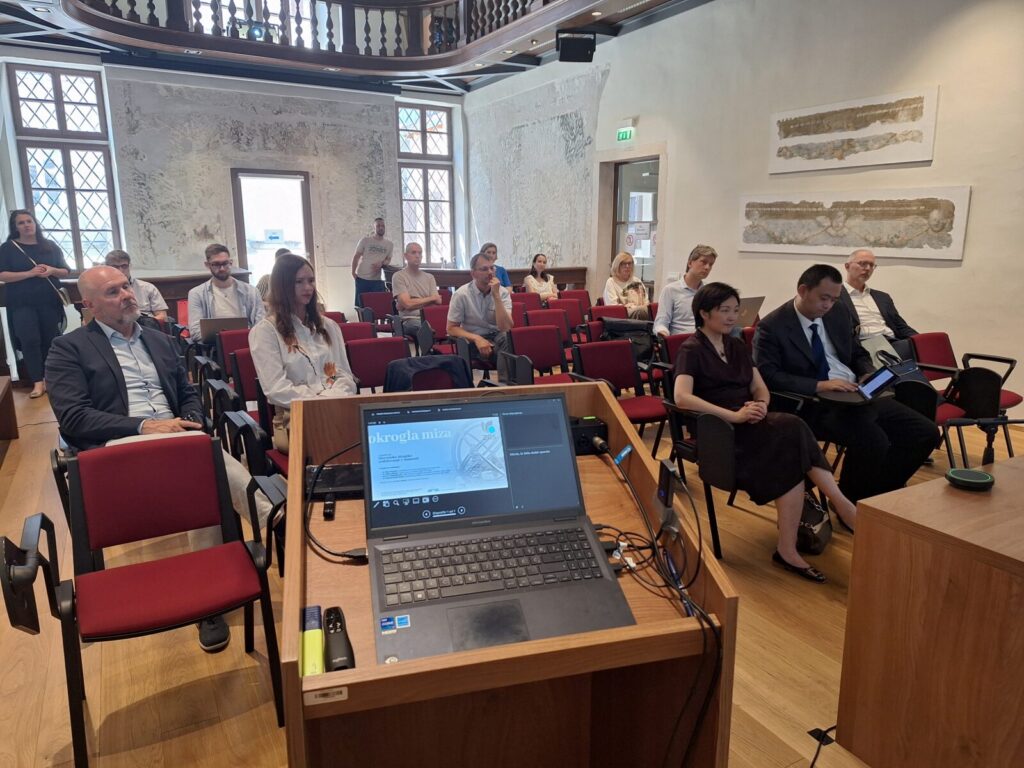
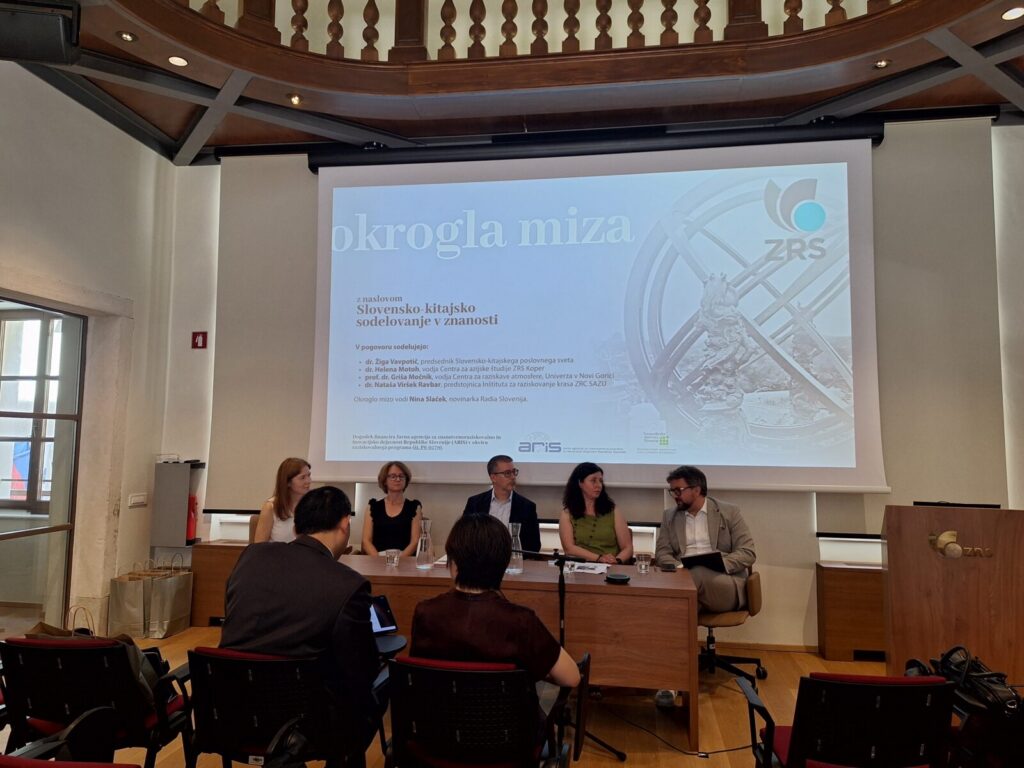
This was followed by a round table entitled Slovenian-Chinese Cooperation in Science, organised by the Centre for Asian Studies and the Institute for Philosophical and Religious Studies at ZRS Koper. The event highlighted the importance of international scientific networking and knowledge exchange in addressing contemporary social and environmental challenges.
The Centre for Asian Studies at ZRS Koper develops research in the fields of Asian societies, cultures, philosophy and intercultural dialogue, and makes an important contribution to establishing research links with institutions in Asia, including China.
During the discussion, the participants presented various examples of successful cooperation between Slovenian and Chinese researchers. Dr. Žiga Vavpotič, President of the Slovenian-Chinese Business Council at the Chamber of Commerce and Industry of Slovenia, pointed out that Slovenia and China have been connected by more than half a century of scientific cooperation, and highlighted China’s remarkable development in the fields of science and research.
Dr. Nataša Viršek Ravbar, Head of the Karst Research Institute at ZRC SAZU, presented the long-standing cooperation in the field of karst water resources and environmental issues. She emphasised the importance of Slovenian expertise in karst studies, which Chinese research institutions recognise as a valuable contribution to the management of their own karst areas.
Dr. Griša Močnik, Head of the Center for Atmospheric Research at the University of Nova Gorica, presented joint research in the fields of climate change and air pollution, particularly research on black carbon. He stressed that cooperation with Chinese researchers is very open, and that China represents an important example of the successful transfer of scientific findings into concrete measures for climate change mitigation.
Dr. Helena Motoh, Head of the Centre for Asian Studies at ZRS Koper, spoke about research on cultural heritage, intercultural contacts and the importance of Slovenian-Chinese scientific cooperation in these fields. She emphasised that cultural heritage should not be understood solely as national heritage, but also as shared heritage shaped through exchanges between different cultures, as confirmed by long-standing research relations with partners from Asia.
The round table once again confirmed that there is great potential for further research cooperation between Slovenia and China. By connecting knowledge in the fields of natural sciences, environmental research, the humanities and cultural heritage, new opportunities are emerging for joint projects that contribute to a better understanding of global challenges and strengthen the international integration of the Slovenian research community.