 en
 Slovenščina
 Italiano
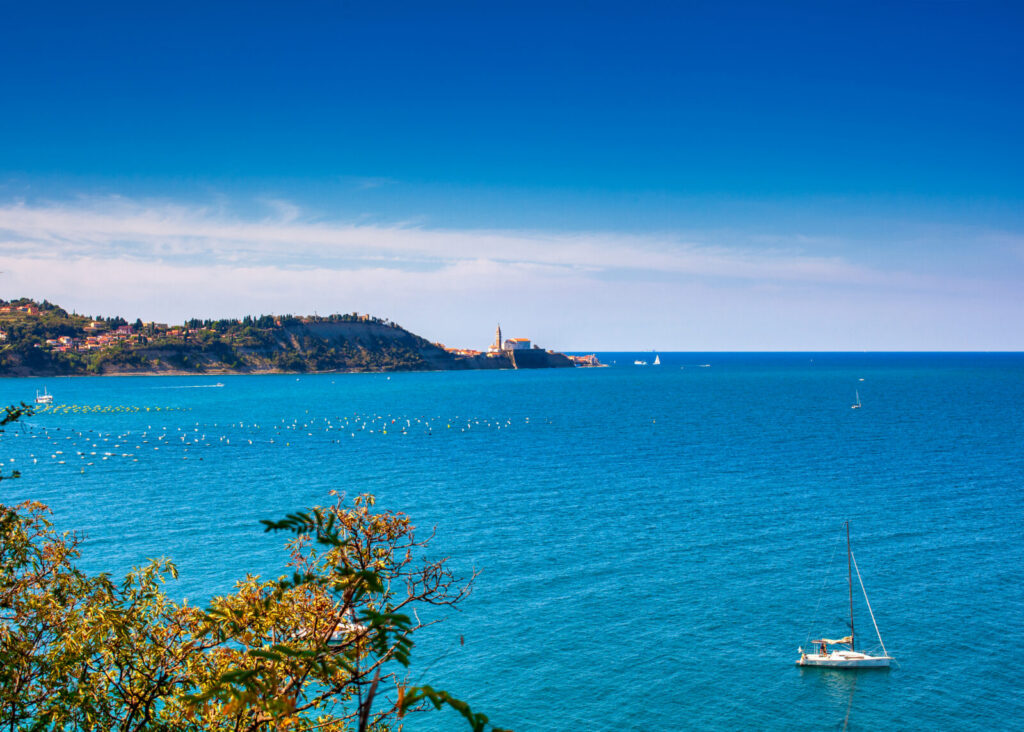
Istria shares a common history, an intertwined cultural identity and numerous development challenges that extend beyond national borders. However, addressing these shared issues more effectively also requires an appropriate organisational structure. This is precisely where the opportunity offered by the European Grouping of Territorial Cooperation (EGTC) Istria lies: bringing together Slovenian and Croatian partners and enabling them to cooperate in a more coordinated and sustainable way over the long term.
“Our responsibility is to move things forward and secure for Istria the competitive advantage it deserves, given its history, knowledge and potential,” emphasises Prof. Dr Rado Pišot, Director of the Science and Research Centre Koper (ZRS Koper), which last month initiated a working meeting and discussion on a shared vision for the development of the cross-border Istrian region in the context of closer cooperation across the Northern Adriatic.
Representatives of the research community, local and cross-border organisations, and the business sector gathered at the Centre for Humanities of ZRS Koper to discuss how Istria, a region united by historical and cultural ties, could be developed into a shared development area. The discussion focused on the possibility of establishing EGTC Istria as a more permanent framework for cooperation, enabling partners on both sides of the border to work together in finding coordinated solutions to common challenges.
EGTC provides a more permanent institutional structure
European Groupings of Territorial Cooperation enable partners from different countries to plan and implement joint projects within a more permanent institutional structure. Their main advantage is that cooperation is not limited to the duration of individual projects but can develop into a long-term development policy.
According to Pišot, establishing an EGTC can deliver tangible results. “This is clearly demonstrated today by the examples of EGTC Euregio Senza Confini and EGTC GO in the Gorizia region. By working together, these areas have secured programmes, funding and, perhaps most importantly, a common voice in Europe,” he explains. He sees a similar opportunity for Istria, which could more effectively promote its development needs through a coordinated approach.
“We must take a step forward together. All stakeholders should come to the same table as soon as possible, bringing constructive proposals and concrete solutions. We should not begin by asking what obstacles stand in our way, but rather why we need EGTC Istria and what we stand to gain from it. Once we have a clear answer to that question, we will also know how to overcome the challenges,” he adds.
The opportunities for cooperation are extensive, ranging from health and quality of life to water resource management, marine protection, sustainable mobility and climate change adaptation. Other important areas include agriculture, energy, cultural heritage, sustainable tourism and strengthening links between research and the business sector.
Among the issues requiring a broader perspective is traffic congestion in Slovenian Istria, the consequences of which extend beyond municipal and national borders. The same applies to the protection of coastal areas and the sea, where coordinated planning could enable more effective action.
Istria as part of the wider Northern Adriatic region
The establishment of EGTC Istria could also contribute to stronger cooperation within the Northern Adriatic and the wider Mediterranean region.
For Pišot, it is also important to recognise the quality of life in Istria as a valuable asset that can be further enhanced through coordinated development. The aim is not merely to establish another organisation, but to create a mechanism capable of transforming shared potential into measurable results.
Istria therefore faces the question of whether it can build on its historical ties by developing a more integrated approach to development governance. The EGTC could become a tool for providing lasting institutional support for shared interests, while giving the region a stronger common voice in shaping European development opportunities and a more influential role at the European level.
AUTHOR: Nataša Čepar, ZRS Koper