 en
 Slovenščina
 Italiano
What does it mean for a project to be truly successful? Today, it is no longer enough to know how many events we have organised, how many people have attended them, or how much funding we have spent. The focus is increasingly shifting towards understanding what changes have resulted from our activities and how these changes can be measured.
The European project PILLARS, led by ZRS Koper, is developing new methods, digital tools and educational programmes for social impact management. At the same time, it is laying the foundations for a profession of the future: the social impact manager, a professional who helps organisations create measurable and lasting positive changes in society, the economy and the environment.
For many years, project success was primarily measured in numbers: the number of participants, events, publications, workshops, products developed or funds spent. Such data are important, but they do not, in themselves, reveal what changes a project has brought about. For example, having one hundred participants at a workshop does not necessarily mean that they have acquired new knowledge, applied it in practice or changed their behaviour as a result.
Impact management therefore requires a different perspective. What matters is not only what has been done, but what has actually changed as a result. This involves understanding the relationship between activities, immediate outputs, short-term outcomes and long-term impacts. Impact is rarely the result of a single activity or organisation; rather, it emerges in an environment where various factors and stakeholders interact.
This is precisely the challenge addressed by the European project PILLARS – Scaling Impact via Policy, Projects, Processes and Professional Skills, coordinated by the Science and Research Centre Koper (ZRS Koper).
Slovenian Team Leading a European Consortium
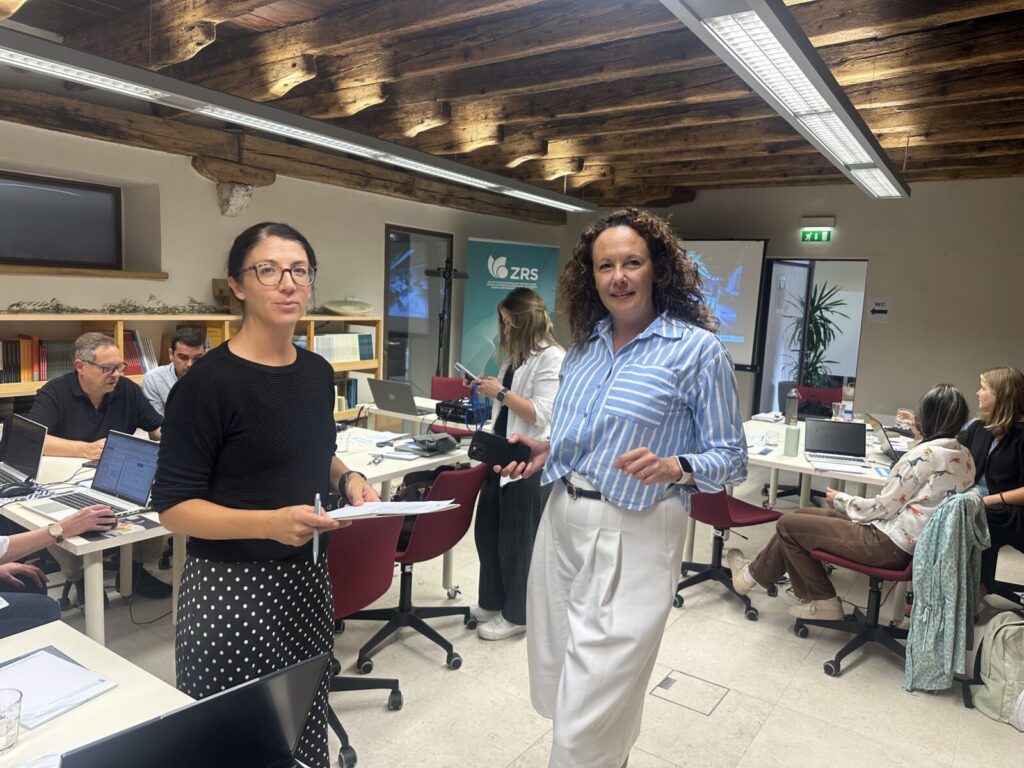
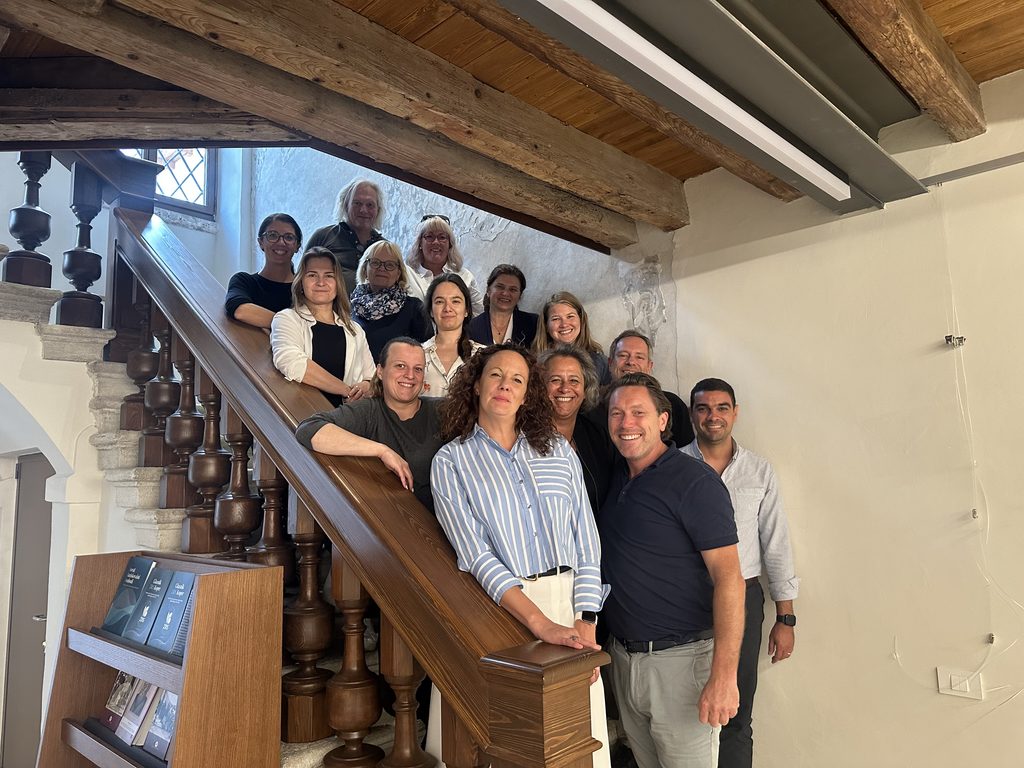
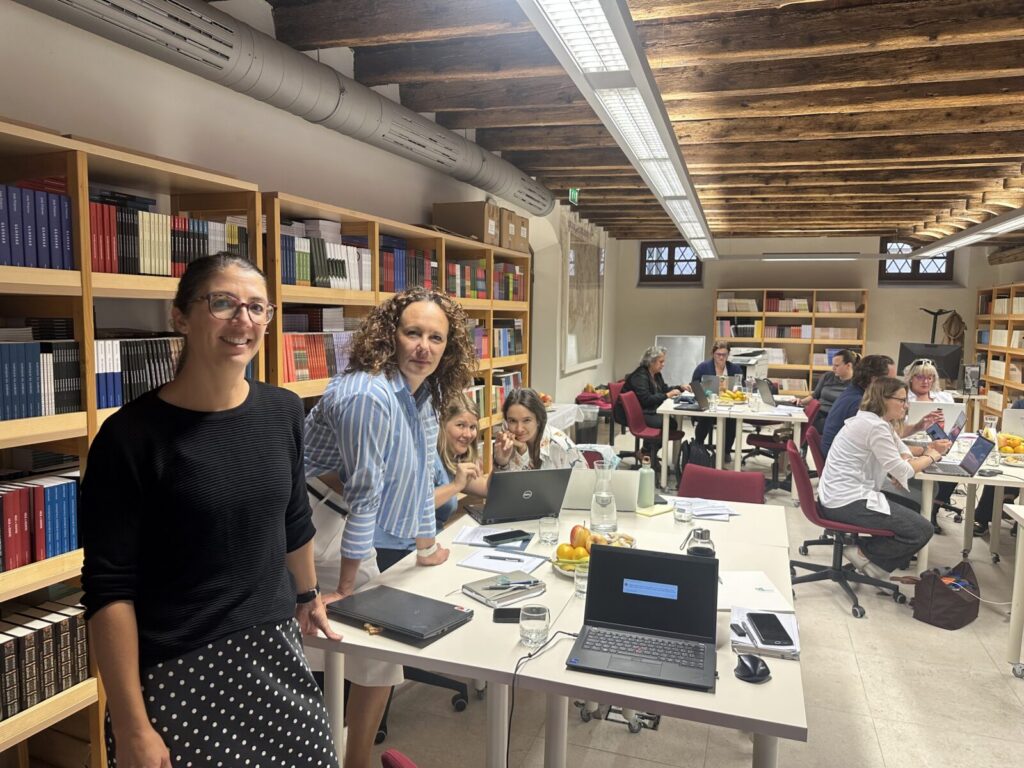
The successful implementation of the project is driven by the Project Management Centre at ZRS Koper. The international consortium is led by the undersigned, with Vesna Valenčič playing a key role in its coordination. Drawing on our expertise and many years of experience in European projects, we coordinate the work of numerous partners, oversee the quality of implementation and ensure that the project’s objectives are achieved.
Managing such a large and internationally diverse consortium presents a significant organisational challenge. The partners come from different educational, research, business and development backgrounds, requiring continuous alignment of interests, approaches and expectations.
The PILLARS project therefore represents not only the development of a new field of expertise but also demonstrates that Slovenian research organisations can successfully take on leading roles in major European initiatives.
The project’s work is based on four interconnected pillars. The first pillar focuses on developing methodologies and competency frameworks. The partners are designing tools to help organisations understand how to plan, monitor and evaluate impact. Particular attention is given to bridging research knowledge and practical experience.
The second pillar focuses on digital solutions. Without high-quality data, it is almost impossible to understand the impact of projects and organisations. The project is therefore developing advanced tools for collecting, processing and interpreting impact data.
The third pillar is education and training. The partners are developing curricula and educational content aligned with European competence and qualification frameworks. The aim is to ensure that the knowledge and skills acquired are recognised and applicable across Europe.
The fourth pillar is the community of practice. It brings together researchers, entrepreneurs, educators, non-governmental organisations and other professionals who wish to contribute to shaping the field of impact management.
The First European Competency Framework
An important part of the project involves researching existing practices. The partners have conducted numerous interviews with experts from different countries and sectors and analysed their experiences.
Based on these findings, the first European competency framework for social impact managers is being developed. It defines the knowledge, skills and competencies required to work effectively in the field of impact management.
What makes this approach distinctive is that it does not focus solely on current needs. The partners also use strategic foresight methods to analyse which competencies will be required by 2035. In this way, they are laying the foundations for a profession equipped to respond to future social, economic and technological changes.
One of the project’s most innovative outcomes is the development of the iPILLARS digital application. This tool helps users plan projects, monitor results, collect evidence of impact and prepare reports. Through the application, users can systematically track changes and assess whether they are achieving their objectives.
A particular advantage of the application is its use of artificial intelligence. AI guides users through the individual stages of the impact management process, helping them interpret data and make better-informed decisions.
The application is designed not only for experienced professionals but also for students, young researchers, non-governmental organisations and businesses seeking to develop a culture of responsible practice and gain a better understanding of the impact of their activities.
Knowledge That Can Be Acquired in the Classroom
The project is developing not only methodologies and digital tools but also educational programmes. One of its most important objectives is to lay the foundations for a new professional profile: the social impact manager.
This professional helps organisations understand how their activities affect people, communities and the environment. Their role goes beyond simply collecting data to include developing strategies, monitoring results, engaging stakeholders and identifying ways to maximise positive impact.
The project partners are preparing a training programme for future social impact managers based on a system of micro-credentials. This approach enables participants to acquire specialised knowledge progressively and have their skills recognised across different countries.
The programme will be aligned with European frameworks such as EQF, ESCO, Europass, EntreComp and DigComp, ensuring that the competencies acquired are understandable and comparable at the European level.
In this way, the project aims to contribute to the development of a new generation of professionals capable of combining analytical expertise, an understanding of societal challenges and strategic decision-making.
Young People Are Already Putting Impact Management into Practice
Direct engagement with young people is another important aspect of the project.
In Slovenia, the project partners Cene Štupar – CILJ and ZRS Koper organised the “Youth Impact Managers Bootcamp”. During the programme, young participants tackled real-life challenges faced by local communities and organisations, seeking practical solutions to social issues.
Rather than learning about impact solely as a theoretical concept, they gained practical experience in analysing stakeholder needs, planning activities, monitoring results and evaluating the potential impact of their proposals.
Such experiences enable young people to gain a deeper understanding of complex societal challenges and develop competencies that will become increasingly important in the future labour market.
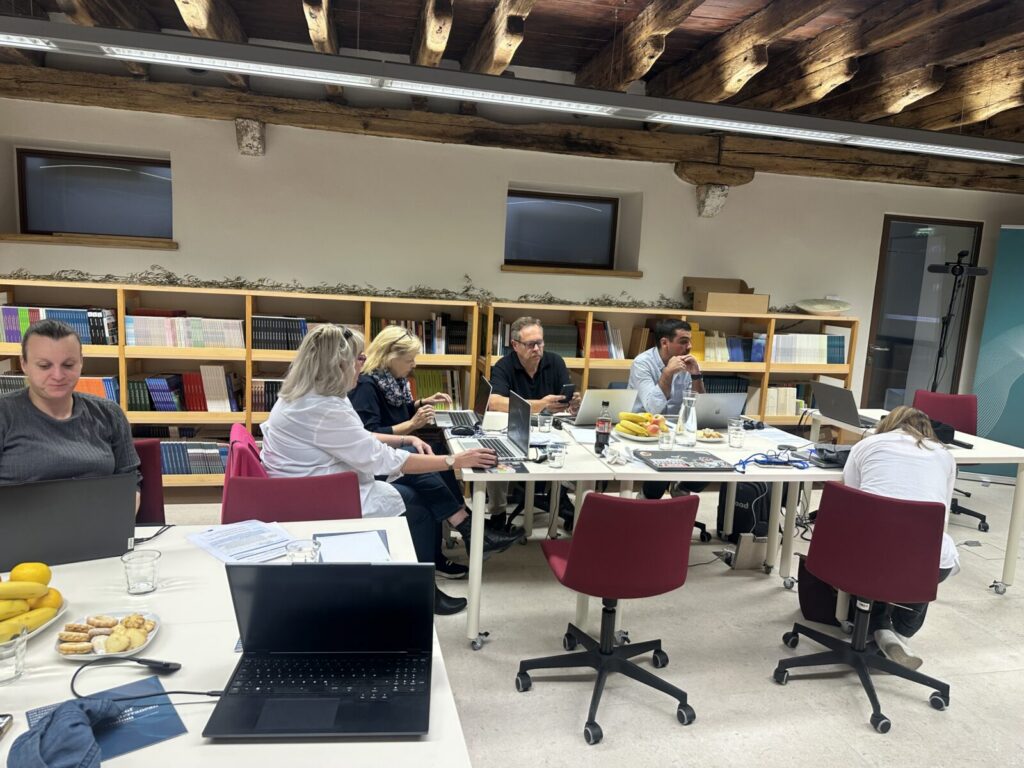
An important part of the project also involves collecting real-life experiences from people who already perform tasks related to impact management in their professional roles, even though their job titles may not yet reflect this. Based on extensive research, in-depth interviews with experts and collaboration among project partners, we have developed the first European competency framework for social impact managers.
The stories collected will be featured in an e-book and other materials developed as part of the project.
Why Impact Management Will Become a Necessity
At a time when organisations are increasingly faced with requirements for sustainability reporting, social responsibility and measurable outcomes, expertise in social impact management is becoming ever more important. The PILLARS project therefore goes beyond developing new educational materials and digital tools: it is laying the foundations for a new profession that will contribute to more responsible, inclusive and sustainable organisations across Europe. Through this project, ZRS Koper once again demonstrates that Slovenian expertise can make a significant contribution to shaping European solutions for the future, while strengthening Slovenia’s position in the international research, development and innovation landscape.
The PILLARS project is therefore not simply developing educational materials and digital tools but establishing the foundations of a new professional field in Europe. The project’s significance is further reinforced by its participation in the European Pact for Skills initiative and the award of the Skills Leader label, which confirms the partners’ commitment to developing the competencies of the future. The European Commission introduced this label as part of the European Year of Skills, and it is used by organisations actively contributing to the development of new knowledge and skills across Europe.
PILLARS thus demonstrates how a research organisation can move beyond the traditional role of implementing research projects and actively contribute to shaping new competencies, educational content and professional profiles that respond to the evolving needs of society and the labour market. At the same time, it confirms that Slovenian expertise can make a meaningful contribution to developing European solutions for a more sustainable, responsible and inclusive future.
Author: Ana Šajn, Head of the Project Management Centre at ZRS Koper and Coordinator of the PILLARS International Consortium
The PILLARS project is funded by the European Union. Views and opinions expressed are, however, those of the author(s) only and do not necessarily reflect those of the European Union or the European Education and Culture Executive Agency (EACEA). Neither the European Union nor EACEA can be held responsible for them.