 en
en Slovenščina
 Italiano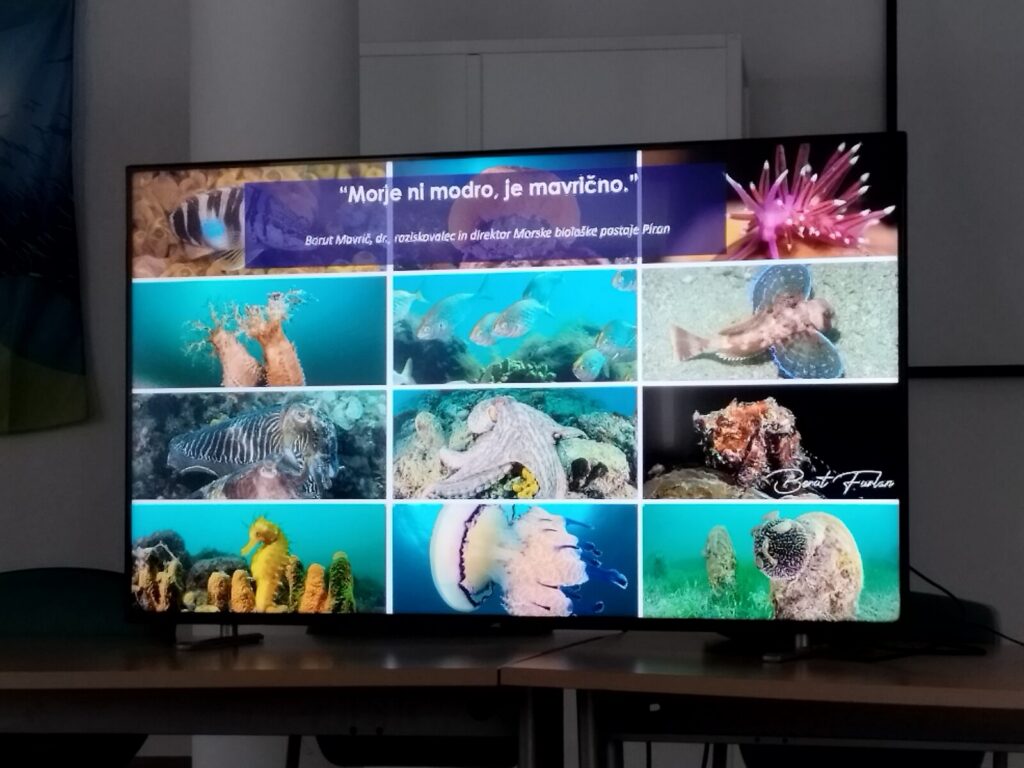
On Wednesday, March 18, an Open Day of Slovenian pilot activity sites titled “Co-creating local innovations – Marina Izola as a space for sustainable solutions for a clean sea” took place at Marina Izola. The event was organized within the REMEDIES project with the aim of promoting and connecting with other related projects carried out by Slovenian partners. The meeting brought together representatives of the University of Maribor, the company CleraOne, Infordata Sistemi, Marina Izola, the YouSea Institute, the Science and Research Centre Koper through the Mediterranean Institute for Environmental Studies (MIOS), and local stakeholders from the coastal community.
The purpose of the event was to present pilot activities aimed at reducing micro- and macroplastic pollution in coastal and marine environments. During the event, other participating organizations also presented proposals and ideas for a cleaner sea and innovative solutions within their respective projects, particularly during a midday roundtable discussion. The head of the Mediterranean Institute for Environmental Studies, Dr Jerneja Penca, presented the ongoing RISTANC and INSPIRI projects, their objectives, and activities. The RISTANC project explores social and governance innovations for challenges in the Slovenian sea, while the INSPIRI project envisions future scenarios of the sea and seeks to use these visions to inspire decision-makers and citizens.
The Open Day was also used, within the RISTANC project, to gather opinions from experts on what they consider the greatest challenges facing the sea. These views will continue to be collected from various stakeholders in the coming months using different methods, and all will be published on the project website (www.ristanc.eu). The presentations were followed by a field visit showcasing innovative solutions, including a filtration system developed by CleraOne and an underwater drone operated by YouSea, used to identify plastic waste on the seabed. The meeting provided an excellent opportunity for the exchange of experience and knowledge on addressing marine pollution, ecosystem restoration, and the development of a sustainable blue economy, involving research organizations, companies, municipalities, and coastal residents.