 en
en Slovenščina
 Italiano
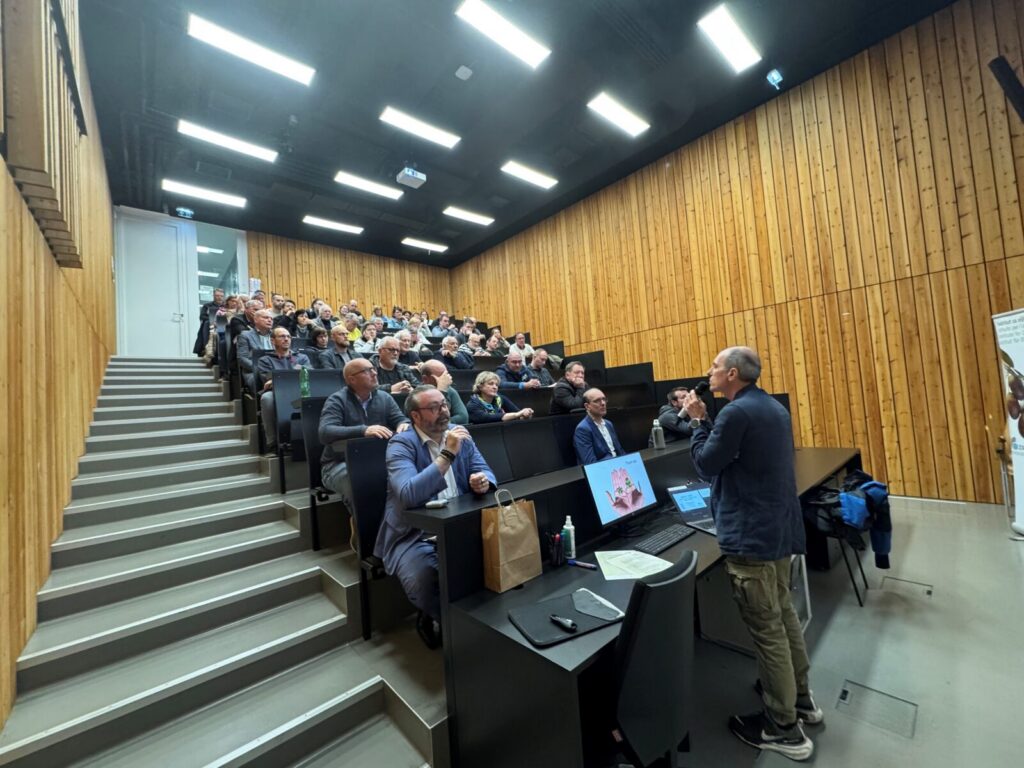
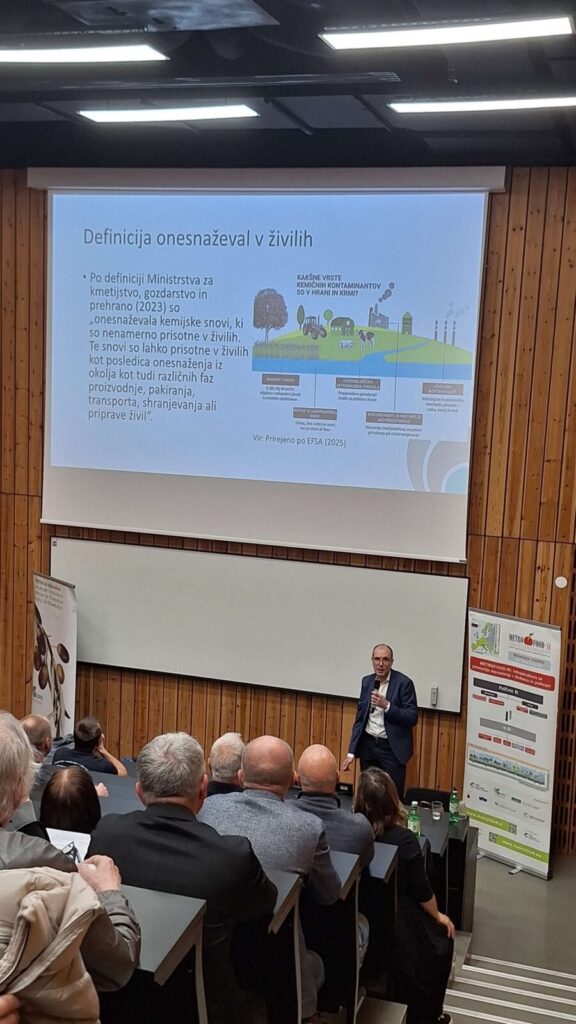
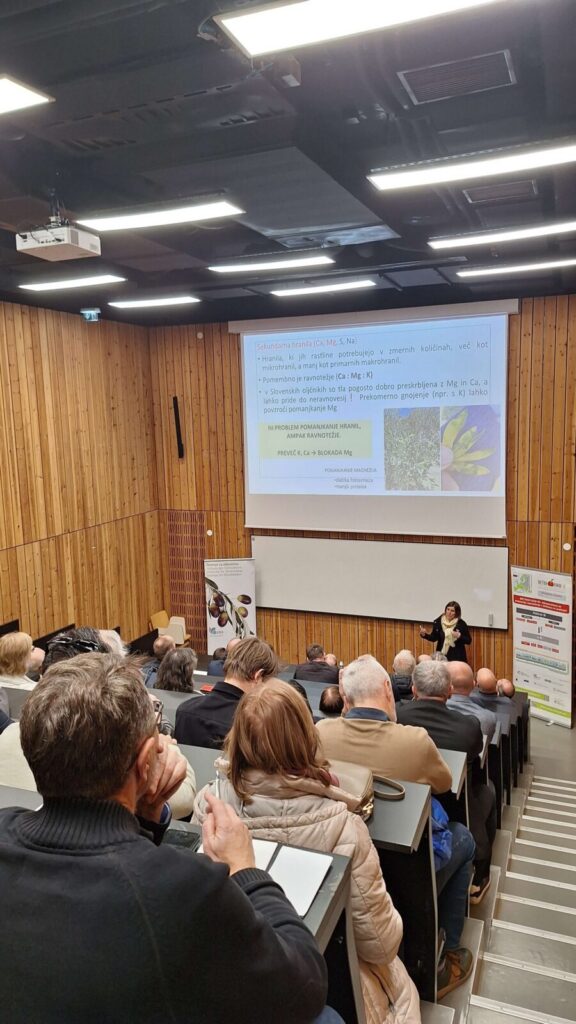
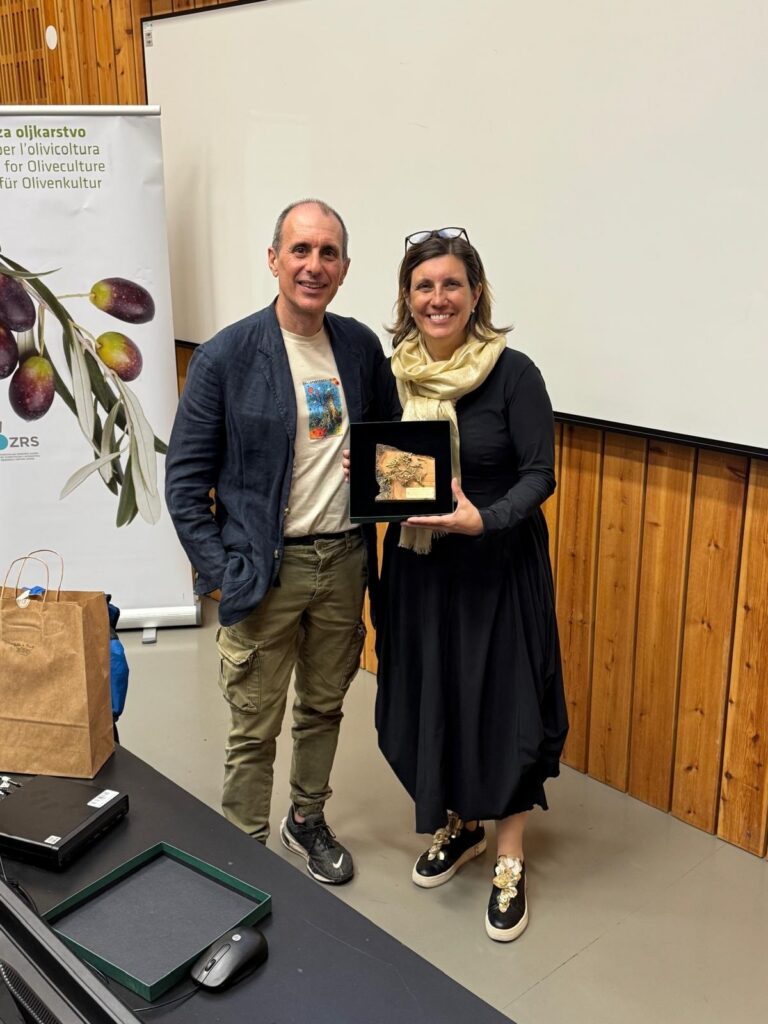
Last week, the 8th Hlaj Days took place, organized by the Olive Growing Institute of ZRS Koper. Once again, the event brought together experts, researchers, and producers, offering a comprehensive overview of modern approaches to olive growing. Held over three days across multiple locations—Izola, Dekani, and Šempeter pri Gorici—the event highlighted the importance of connecting knowledge, technology, and practical experience.
This year’s program focused on sustainable practices and digital solutions that support olive growing in adapting to climate change. Participants learned about the importance of maintaining healthy soils, particularly the role of organic matter and microorganisms in ensuring fertility and long-term sustainability.
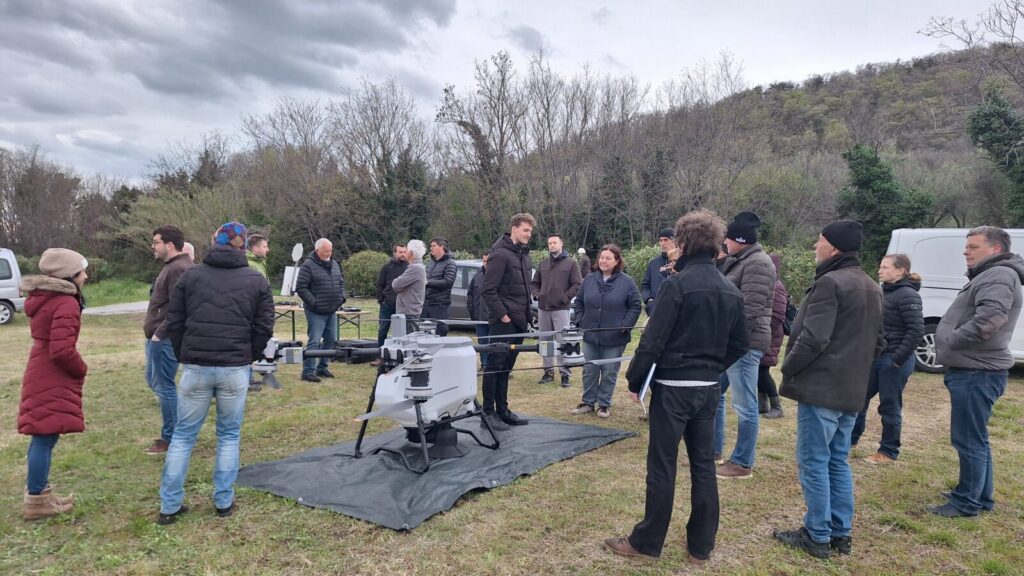
Modern technologies were also a key part of the event. Demonstrations showcased the use of drones to monitor orchard conditions, including the largest drone currently in Slovenia, capable of precisely applying plant protection products, fertilizers, and biostimulants. Speakers also highlighted that legislation governing drone-based spraying is not yet fully in place and that effective use requires proper training and expertise.
Another highlight was the use of NIR (near-infrared) spectroscopy, which enables fast, non-invasive analysis of fruit composition—such as oil and water content—based on its interaction with light. At the Olive Growing Institute of ZRS Koper, these advanced methods are already being introduced into practice and shared with producers as well as public advisory services in the field of olive growing.
Participants were also made aware of common mistakes in olive oil labeling, which are often not in line with current legislation. This further underscored the importance of accurate information and ongoing education.
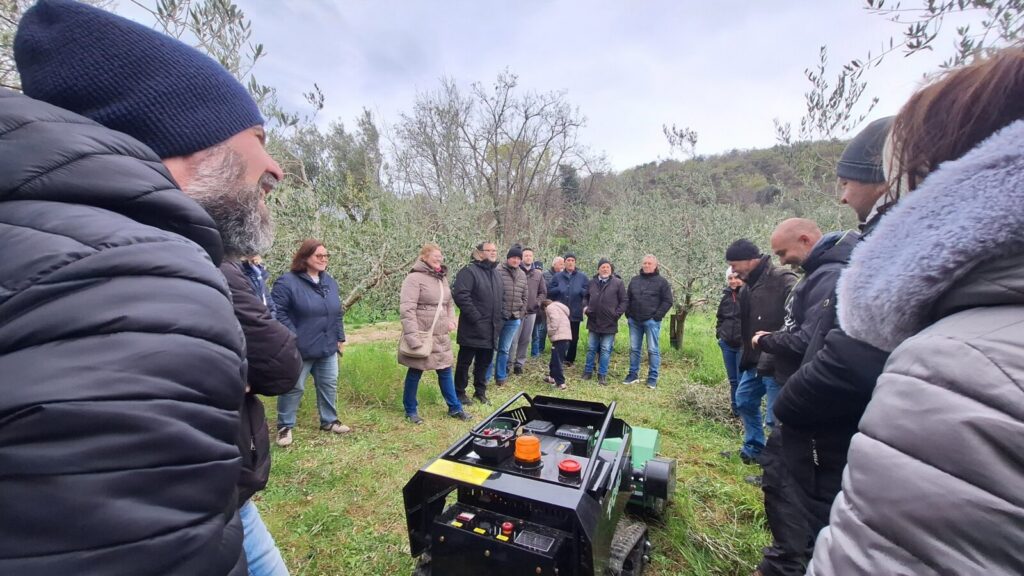
A key part of the event included field demonstrations in Dekani, carried out within the framework of the LIFE4ADAPT project, where solutions in precision agriculture were presented. Attendees observed the use of drones for remote sensing and precision spraying, as well as demonstrations of remotely operated mowing systems that allow safer and more efficient management of challenging terrain. These approaches help reduce the need for heavy machinery, preserve soil structure, limit soil compaction, and improve the resilience of olive groves to drought conditions.
Once again, the Hlaj Days confirmed their role as a key professional and networking event, promoting innovation, digitalization, and sustainable olive grove management, while contributing to the development of modern olive growing in Slovenia.
Part of the event was funded by the LIFE4ADAPT project, which is co-financed by the European Union. The views and opinions expressed are those of the author(s) only and do not necessarily reflect those of the European Union or the CINEA agency. Neither the European Union nor the granting authority can be held responsible for them.
